





Gem & jewellery exports bear the brunt of the new 26% reciprocal US tariffs. With jobs at risk and margins squeezed, manufacturers scramble to diversify while urging government intervention as global trade dynamics shift. The accent is also on expanding into other markets to reduce reliance on the US
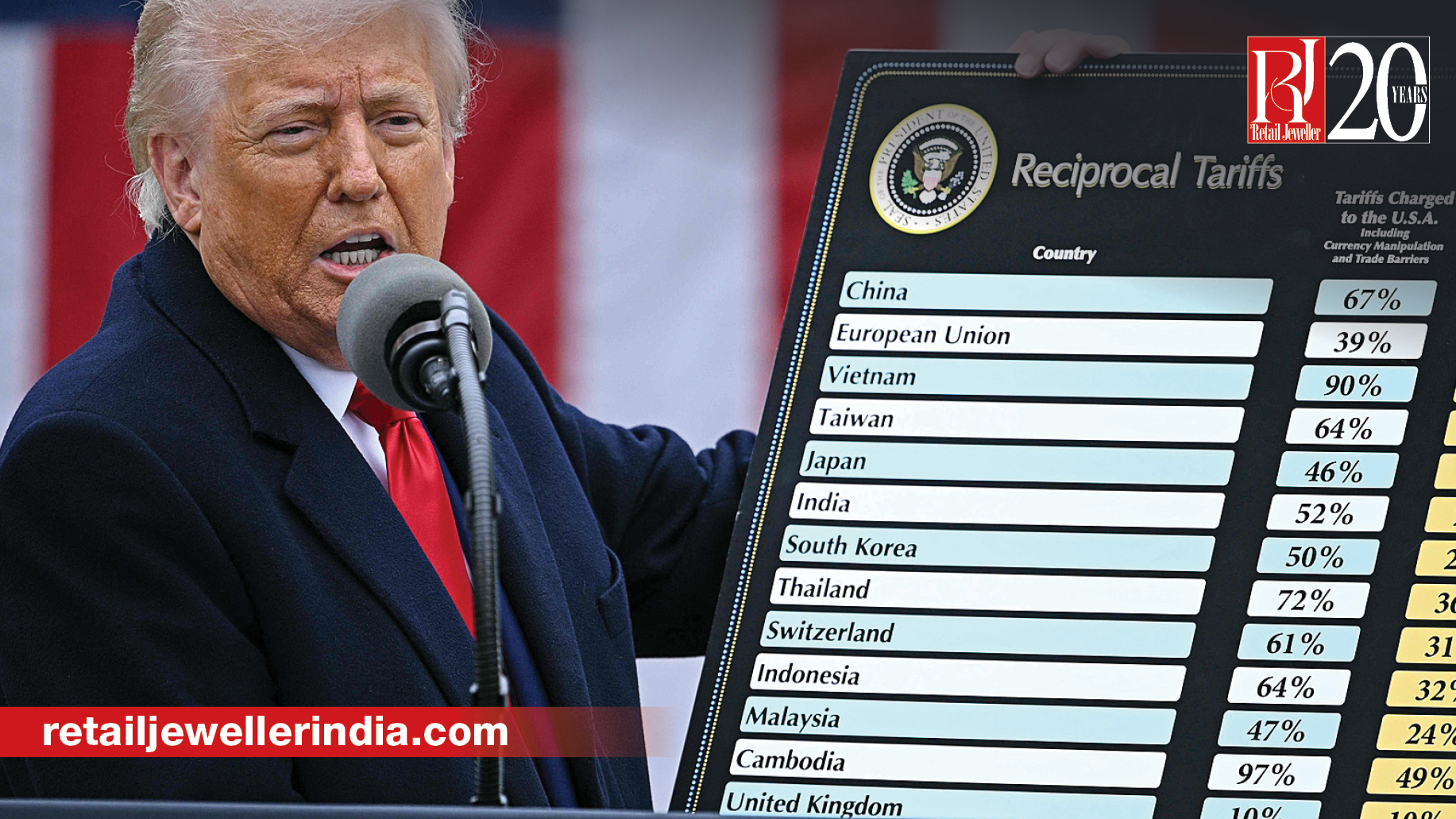
Mumbai: The glittering world of Indian gem and jewellery exports suddenly faces a significant threat, thanks to US President Donald Trump’s recent announcement of reciprocal tariff duties. A staggering 26% tariff on Indian gem and jewellery exports (revised downward from 27% announced earlier) has sent shockwaves through an industry that contributes nearly $ 11.5 billion annually to American markets. Coming into effect from April 9, 2025, these measures form part of President Trump’s ‘America First’ trade policy, targeting what he calls “unfair trade practices” by multiple nations. While the tariffs affect multiple sectors, the gems and jewellery sector bears the brunt due to its heavy reliance on US exports compared to other industries. However, all is not gloom and doom, as the industry also sees this as an opportunity to expand into other markets and reduce reliance on the US.
The timing of the announcement could not be worse for Indian exporters, who had already been navigating multiple challenges, what with gold prices soaring past Rs 3,100 per gram (a 25% increase from just 18 months ago), rise of lab-grown diamonds disrupting traditional markets and manufacturing costs in India climbing steadily.
Analysing the impact of the situation on the industry, Paresh Parekh, Partner and Retail Tax Leader, EY India, says, “The US tariff developments create real risk of job losses and margin erosions. Almost 13% of the sector exports (almost $ 11.5+ bn) are to the US. Until now, India’s tariffs on gold jewellery imports were around 20%, which is higher than US import tariff (5% plus). US earlier levied nil tariff on cut and polished diamonds while India levies 5%. We hope the Government of India covers this sector in its trade negotiations with the US.”
The announcement of the tariff hike has met with a mix of shock and resignation among Indian exporters. Harakh Mehta, Founder of Harakh, a high-end jewellery business with manufacturing bases in both Mumbai and New York, pointed out the dual impact of the decision. “While the new tariff regime raises awareness about domestic manufacturing in the US, it also means a significant price hike for our Indian production,” he says. Mehta notes that even US-made jewellery would be affected, as raw materials like diamonds are largely imported. “The consumer will feel the pinch. A 20-26% increase is a tough pill to swallow, even for our premium clientele,” he adds.
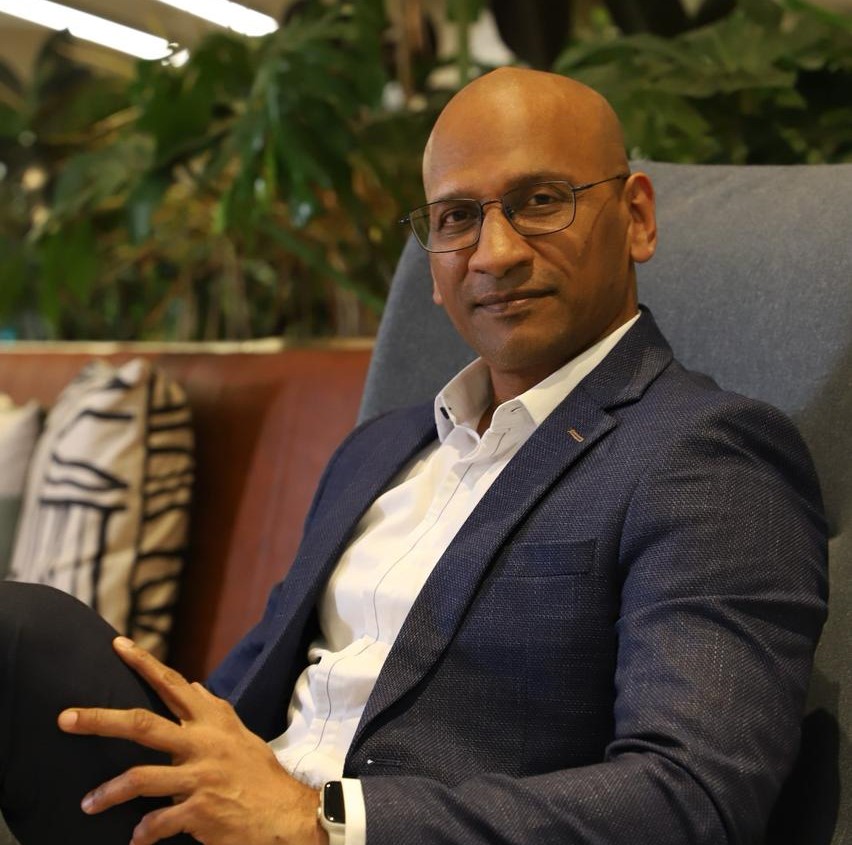
“The 26% US tariffs threaten 65% of our exports that were with the US – job cuts and relocations seem inevitable. While we wait for government negotiations, we must avoid rash decisions. Newer markets can be explored but patience is key. This crisis demands collective discipline – no shortcuts, just strategic planning to protect our workforce and business long-term.”
Alkesh Shah, Vice Chairperson, Goldstar
Kunal Doshi, Partner at VM Jewellery, echoes these concerns, emphasizing the immediate disruption. “When a major part of your business depends on one country, such a tariff levy is a shock,” he said. Doshi mentioned that over 50% of his company’s exports go to the US, and the sudden hike has forced a pause in long-term planning. “The math is brutal – a 31.5% total tariff (26% new + 5.5% existing) makes U.S. exports unsustainable. Our industry’s 3-5% margins vanished overnight. Even splitting costs with retailers won’t work. Orders are paused as we wait for negotiations. If implemented fully, price hikes are inevitable across the supply chain,” he says.
Alkesh Shah, Vice Chairperson of Goldstar, paints a bleaker picture, stating that 65% of his exports are US-bound. “The margins are already thin. There’s no room to absorb this cost,” he says. Shah warns of inevitable job cuts and potential relocations if the tariffs persist. “If buyers find cheaper alternatives, we’ll have to move too,” he adds.
While the industry is worried about the far-reaching consequences of the US tariff hike, one of the immediate concerns is job losses. Doshi and Shah both admit that production adjustments and lay-offs are likely if the situation doesn’t improve. “We’re staring at unemployment and factory shutdowns,” Shah states.
The industry’s reliance on the US market underlines the vulnerability. Doshi points out that large US retailers have halted projections and orders, leaving Indian manufacturers in limbo. “Without clarity, we can’t plan capacity or sustain our workforce,” he says.
In this backdrop, some exporters see a silver lining. Harakh Mehta highlights the potential for diversification. “This could be an opportunity to expand into other markets like the Middle East, Australia or Europe,” he says. The Middle East, with its 10% tariff, has emerged as a particularly attractive alternative. “The design preferences there align closely with India’s, and the region is growing rapidly. While it’s not as systematic as the US, the growth potential is tremendous,” notes Kunal Doshi. With duties in most of the Middle Eastern countries at 10%, many manufacturers are redirecting their focus.
Exporters are looking to the Indian Government and the Gem & Jewellery Export Promotion Council (GJEPC) for intervention. Doshi urges the Government to expedite policies allowing Santacruz Electronics Export Processing Zone (SEEPZ)-based manufacturers to cater to the domestic market. “This would help us retain jobs and keep our units running until the US situation stabilizes,” he says.
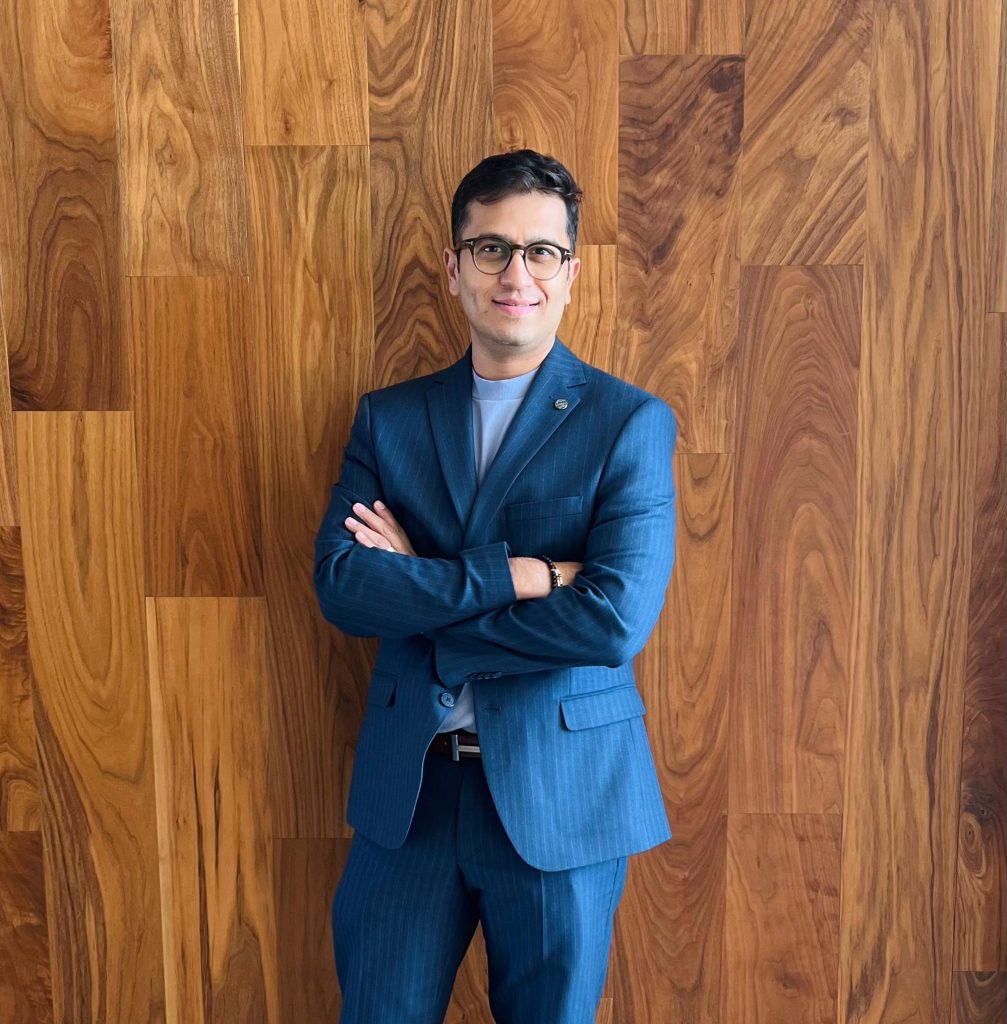
“The US tariff hike is a shock, but we’ve faced challenges before—GST, gold price surges—and adapted. Our focus now: ship existing orders, engage in negotiations, and explore markets like the Middle East. With GJEPC and government support, we’ll navigate this. Where there’s demand, trade finds a way—we’ll adjust and emerge stronger.”
Kunal Doshi, Partner, VM Jewellery
The GJEPC has moved swiftly to coordinate the industry’s response. Its statement outlines a clear position: “In the short run, we anticipate challenges in sustaining India’s current export volume of $10 billion to the US market. We urge the Government of India to progress the Bilateral Trade Agreement between India and the US, as it would be crucial in navigating the tariff issues and securing long term interest of the sector.” The GJEPC is also actively engaging with stakeholders to address these risks and advocate balanced solutions that ensure continued access to the US market.
The long-term implications for India’s diamond jewellery industry are profound. If India loses its competitive edge in diamond processing, fears are that its manufacturing base capabilities may shift permanently to other countries.
Meanwhile, the domestic jewellery retail sector is watching the developments with mixed feelings. Dr Saurabh Gadgil, Chairman of PNG Jewellers, says, “As far as domestic consumption of gold is concerned, neither is India an importer of gold nor jewellery from the US. So, for domestic-focused businesses like ours, the immediate impact is limited.”
Avinash Gupta, Vice Chairman, All India Gem and Jewellery Domestic Council (GJC), raises an important point about the potential ripple effects. “The new reciprocal tariffs threaten to destabilize global gem and jewellery trade flows. While we remain cautiously optimistic, the industry must carefully assess its vulnerability compared to other nations and closely monitor how US policy-makers manage this challenging new trade landscape,” Gupta says.
As the April 9 implementation date looms, exporters are pursuing multiple strategies to adapt. Companies with international footprints are leveraging their global presence. Harakh Mehta, whose business operates in both India and New York, explains, “Our US workshop is now handling more production. For others, I’d recommend exploring partnerships in countries with favourable trade terms with America.”
The industry’s most urgent request is for temporary permission for SEEPZ units to serve the domestic market. “Even a limited allowance to sell production locally would help preserve jobs while we adjust to the new reality,” urges Alkesh Shah.
The current crisis highlights deeper structural questions about India’s position in the global gems and jewellery trade. As Doshi observes, “We’ve built an incredible ecosystem around diamond processing but perhaps relied too heavily on one export market. This moment forces us to rethink our entire approach.”

“While US tariffs challenge Indian manufacturers, this is also an opportunity to diversify globally and strengthen resilience. We’re exploring Middle East and European markets while investing in US production. Adversity fuels innovation—what doesn’t break you makes you stronger. Let’s use this moment to reinvent and emerge more competitive on the world stage.”
Harakh Mehta, Founder, Harakh
Gadgil sees broader implications. “The US move may prove counter-productive. While the US aims to boost dollars through tariffs, Asian imports will become costlier, risking inflation and economic slowdown. This global impact demands careful monitoring. Indian businesses must wait and watch how this plays out in the coming months before strategizing their response,” Gadgil says.
Doshi strikes a cautiously optimistic note: “Indian jewellers have survived demonetization, GST implementation, and global recessions. This is another challenge, but also an opportunity to build a more diversified, sustainable business model,” he declares.
“Tariffs are more than economic measures; they redefine the dynamics of trade partnerships. The gem and jewellery sector, with its reliance on delicate global collaborations, faces challenges that call for strategic foresight. It’s not just about navigating the cost but understanding how these shifts recalibrate the competitive landscape globally,” comments Rajesh Rokde, Chairman, GJC.
Decisions made in boardrooms and government offices over the next few weeks will shape the future of India’s gem and jewellery industry for years to come. The stakes couldn’t be higher for the hundreds of thousands of skilled workers and businessmen whose livelihoods depend on this industry.
Written by Maithili Patange
Retail Jeweller India Exclusive