




Across global markets, South Asian jewellery retail is moving beyond occasion-led demand towards a broader, year-round consumer opportunity.
South Asian jewellery buying abroad is entering a more demanding phase. Cultural occasions still matter, but consumers are no longer judging a retailer only by familiarity, design or community reputation. They are looking more closely at certification, transparency, buyback policies, sourcing and the overall quality of the retail experience.
That change matters because diaspora jewellery buying itself is becoming more local. For many consumers, major purchases were once closely tied to trips back home, where choice was wider and trusted family jewellers were familiar. As South Asian communities become more established across international markets, local retailers are being expected to offer the same confidence and breadth closer to home.
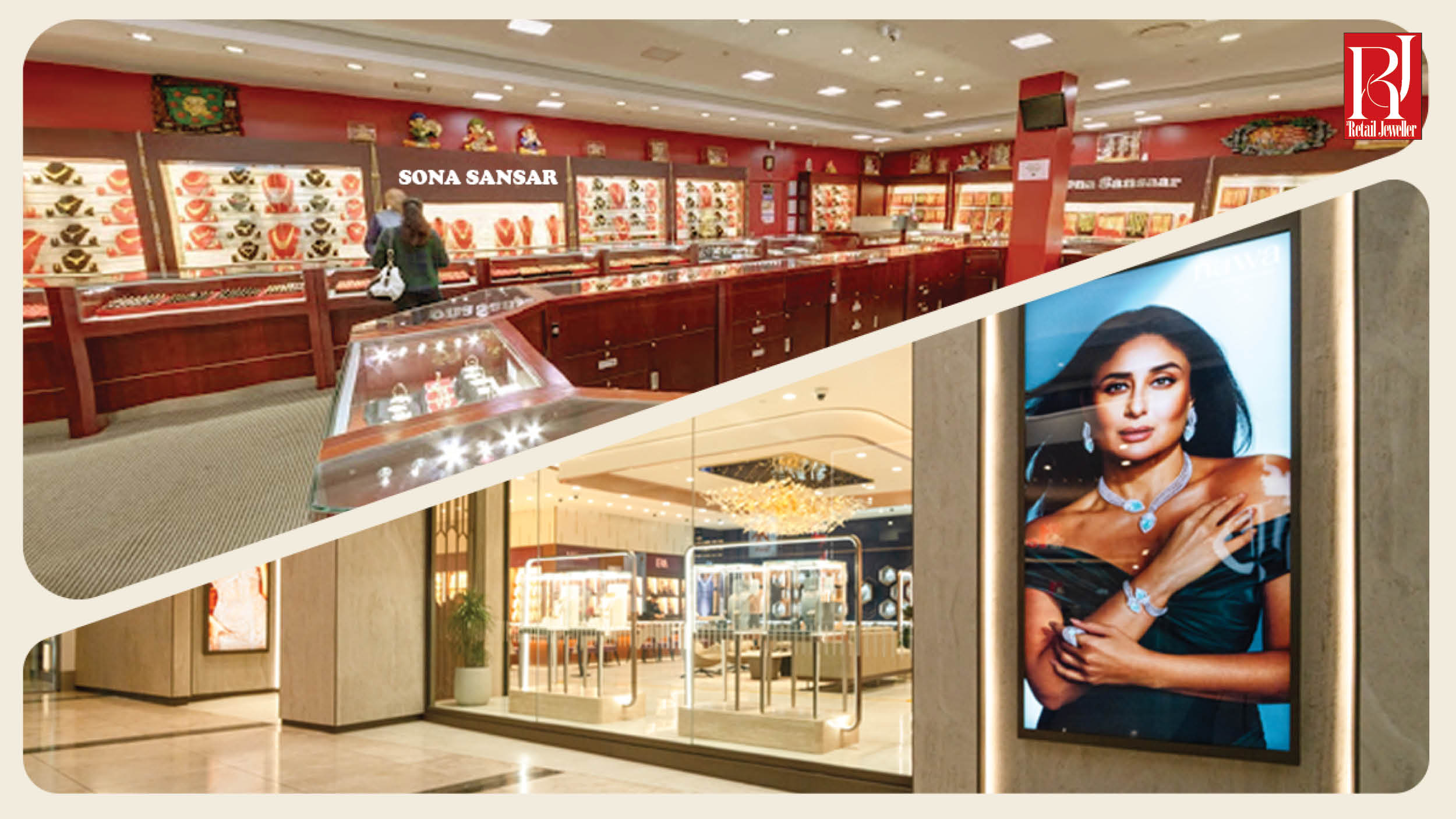
New Zealand offers a useful example. Auckland’s growing South Asian population is supporting a stronger jewellery retail market, with local demand extending beyond weddings and festivals into gold, silver and diamond purchases made throughout the year.
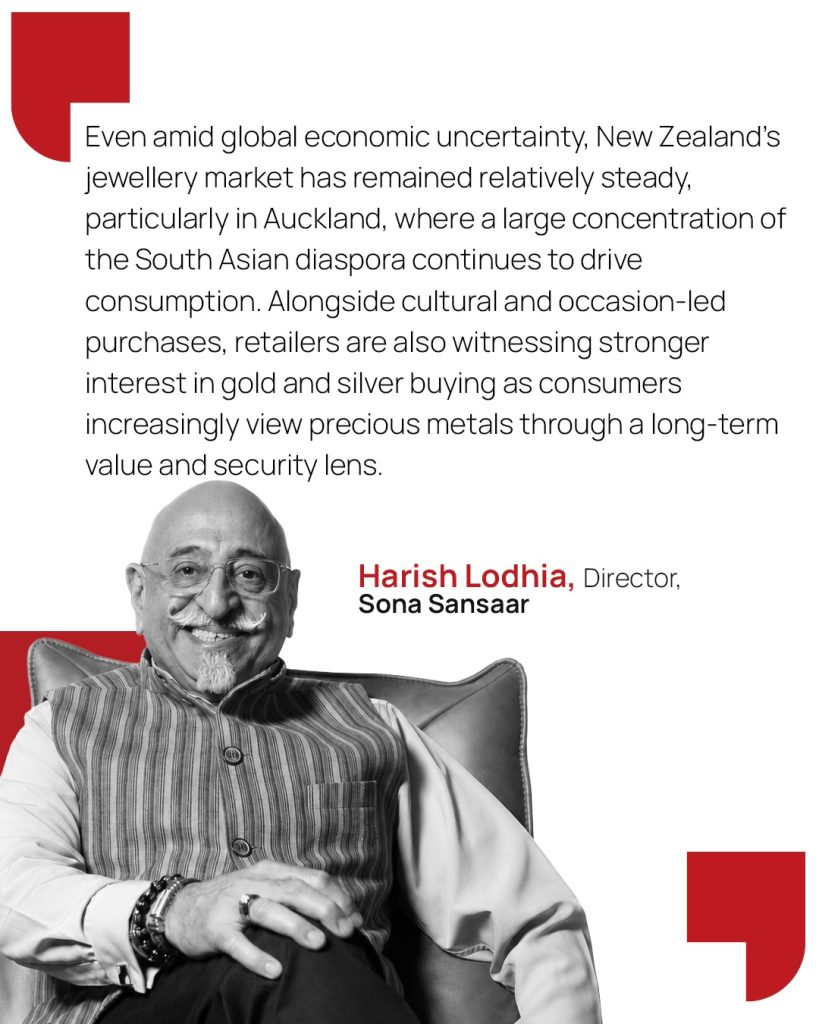
Harish Lodhia, Director, Sona Sansaar, says the market has remained steady despite wider uncertainty. “Even amid global economic uncertainty, New Zealand’s jewellery market has remained relatively steady, particularly in Auckland, where a large concentration of the South Asian diaspora continues to drive consumption. Alongside cultural and occasion-led purchases, retailers are also witnessing stronger interest in gold and silver buying as consumers increasingly view precious metals through a long-term value and security lens.”
At the same time, the benchmark for trust is moving higher. Shamlal Ahamed, Managing Director, International Operations, Malabar Gold & Diamonds, says, “The South Asian diaspora has always maintained a strong connection to gold and diamond jewellery, but what is changing today is the way consumers evaluate their purchases. Customers are placing greater importance on transparency, certification, buyback assurances, ethical sourcing, and the overall retail experience.”

Product expectations are widening as well. Traditional and bridal jewellery remain important, but lighter gold and diamond categories are gaining relevance among consumers seeking pieces that work beyond major occasions. Earrings, rings and bracelets are part of this broader shift towards jewellery that combines cultural familiarity with everyday wearability.
For diaspora retailers, the implication is clear. A strong assortment can no longer be built around occasion-led demand alone. Bridal, festive, gifting and everyday jewellery increasingly need to sit within the same retail proposition, supported by clearer assurances and a more structured buying experience.
For manufacturers and suppliers, this creates a different opportunity. Retailers serving diaspora markets need culturally relevant products. Still, they also need greater variety, more frequent collection refreshes and export-ready assortments that can respond to a consumer who is becoming both more experimental and more exacting.
The South Asian diaspora has not moved away from jewellery tradition. It has simply raised the standard for how that tradition is sold.
Written By
Akhila Nair