




Along with gold, buoyant demand for diamonds, silver and coloured gemstone jewellery, driven by higher walk-ins, conversions and unit sales, underpins the festival’s evolving identity, shaped by a generation of customers who define auspiciousness on their own terms.
The Gold Boost
Akshaya Tritiya 2026 revealed a market shaped less by volume surges and more by sharper intent, where gold remained the anchor, but growth came from higher participation, smarter pricing levers, and evolving product formats that balanced aspiration, affordability, and everyday utility across both festive and bridal buying.
By Maithili P & Pratyasha K
Retailers across markets are unanimous that gold emerged as the clear season driver this Akshaya Tritiya, anchoring both demand and store performance. The slight drop in gold prices during the Akshaya Tritiya window was a key trigger, drawing back customers who had been holding off on purchases for an extended period.
Thangamayil Jewellery’s, one of the largest regional chains in South India, total revenue reached Rs. 279.27 crore, up 75.87% from Rs. 158.80 crore in the previous year. “We recorded a 15.14% increase in sales volume, reaching 183.20 kg, up from 159.11 kg in the prior year.” adds BA Ramesh, Joint Managing Director at Thangamayil Jewellery.
At Abharan Jewellers, a legacy with 20 showrooms across 18 locations in Karnataka and Goa, spanning cities and sub-urban markets, gold sales grew 5 per cent in volume. Increased walk-ins played a key role here, driven by two factors: the strategic addition of one new stores and the overlap of Akshaya Tritiya with Basava Jayanti, which extended the buying period over two days and coincided with a government holiday.
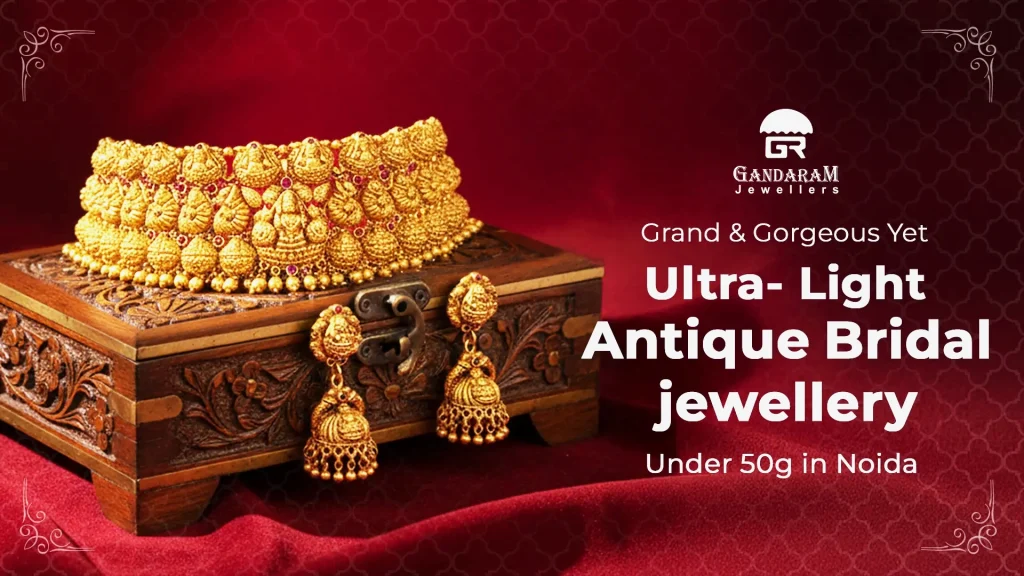
At Gandaram, a Delhi-based brand, ultra-lightweight jewellery, the Air collection created through electroforming techniques emerged as a major growth driver, leading to a slightly higher increase at 7–8 per cent for the old store.
The designs offered high visual impact with extremely low weight, with pieces that once weighed as much as 200 grams now crafted in as little as 20 grams, and full sets weighing around 50 grams.
“Electroformed jewellery saw a 60-65% increase in sales compared with regular-day sales, accounting for nearly 35% of our total sales for the occasion. Customers showed a particular preference for larger-looking designs that are lightweight,” explains Puneet Mehra, Executive Director of Gandaram Jewellers. “Rings and earrings weighing between 1 and 3 grams, which create a more prominent appearance, also gained significant popularity,” he adds.
Driven by the auspicious undertone of the occasion, “token purchases were strong, and everyday plain gold jewellery in the 10–15 gram range saw high traction. Bangles dominated the hot-selling category,” says Kamath.
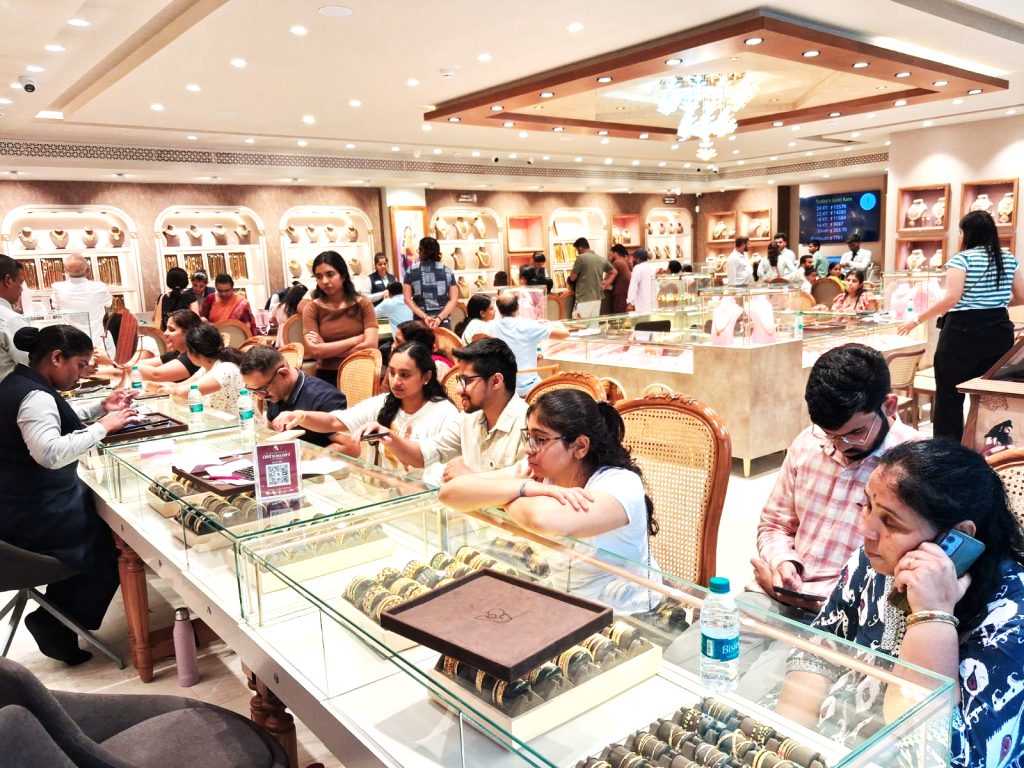
At Bhima Jewellery, legacy South Indian jeweller with 100+ stores across India and the UAE, known for gold and bridal jewellery, volumes were slightly lower compared to last year, but the dip was not significant. What offset this was a sharp increase in walk-ins and conversions. At its flagship Thiruvananthapuram store, nearly 1,500 customers walked in per day across the two peak days.
“Nearly 98 per cent of customers who walked in made a purchase. Footfall was up 15 per cent, and most came with clear intent, which significantly strengthened conversions despite slight pressure on overall volumes,” says Navya Suhas, Director, Bhima Jewellery. Their 18k lifestyle collection, Celant, also saw strong traction, The brand reported a 25–30 per cent increase in younger buyers.
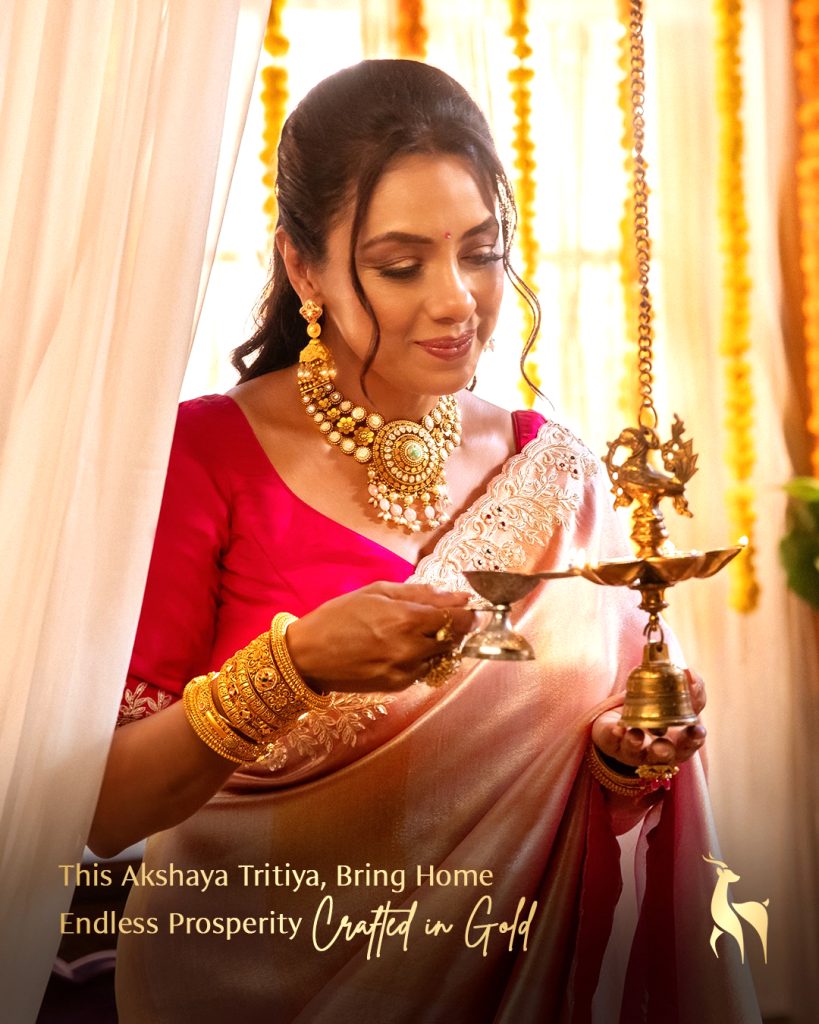
Abharan Jewellers recorded a slight decline in the share of gold coins compared to last year, suggesting a gradual shift towards products with utility-led purchases. Satvik Kamath, Director, Abharan Jewellers, points out that customers bought across sizes, big and small, and more people participated in the buying. Overall, growth did not come from higher-volume purchases but from a higher number of units sold.
Bigger Trousseau within budgets
While most purchases were occasion-led, Bhima Jewellery did see a bridal layer within this demand, with close to 100 wedding customers purchasing trousseau on the day alone at the flagship Thiruvananthapuram store.
At Manik Chand Jewellers, one of the prominent legacy players in North East India with six big format showrooms, the average bridal purchase remained in the Rs. 15–20 lakh range, consistent with the previous year. Natural and uncut polki recording the strongest demand, with approximately 40% of bridal customers — largely from price-insulated, higher-income households — opting for multiple sets.
“Demand for full polki bridal jewellery remains strong, with rising interest in rose-cut designs,” says Kiran Shinde, CEO, PMJ Jewels, Hyderabad, currently operating over 43 stores across South India. “Additionally, customers now prefer mix-and-match purchases over full set buying,” he added.
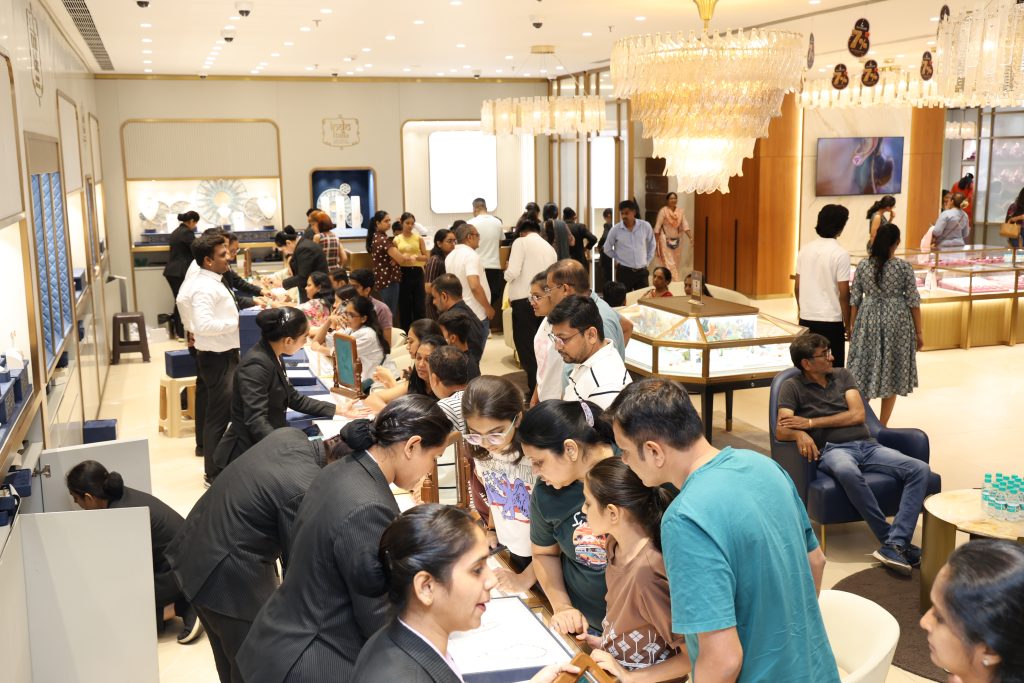
The critical shift to note is not in how much customers spent, but in how they distributed that spend. Even at Manik Chand, the remaining 60% gravitated toward mix-and-match combinations, anchoring on one primary bridal set.
As Mahatva Soni, Director, Manik Chand Jewellers, explains: “Customers were definitely more conscious — instead of increasing their spend, they were opting for slightly lighter gold sets and balancing with diamond jewellery pieces to build a bigger trousseau.” Overall, bridal contributed approximately 20% of the store’s total Akshaya Tritiya volume sales, up from 13% in 2025.
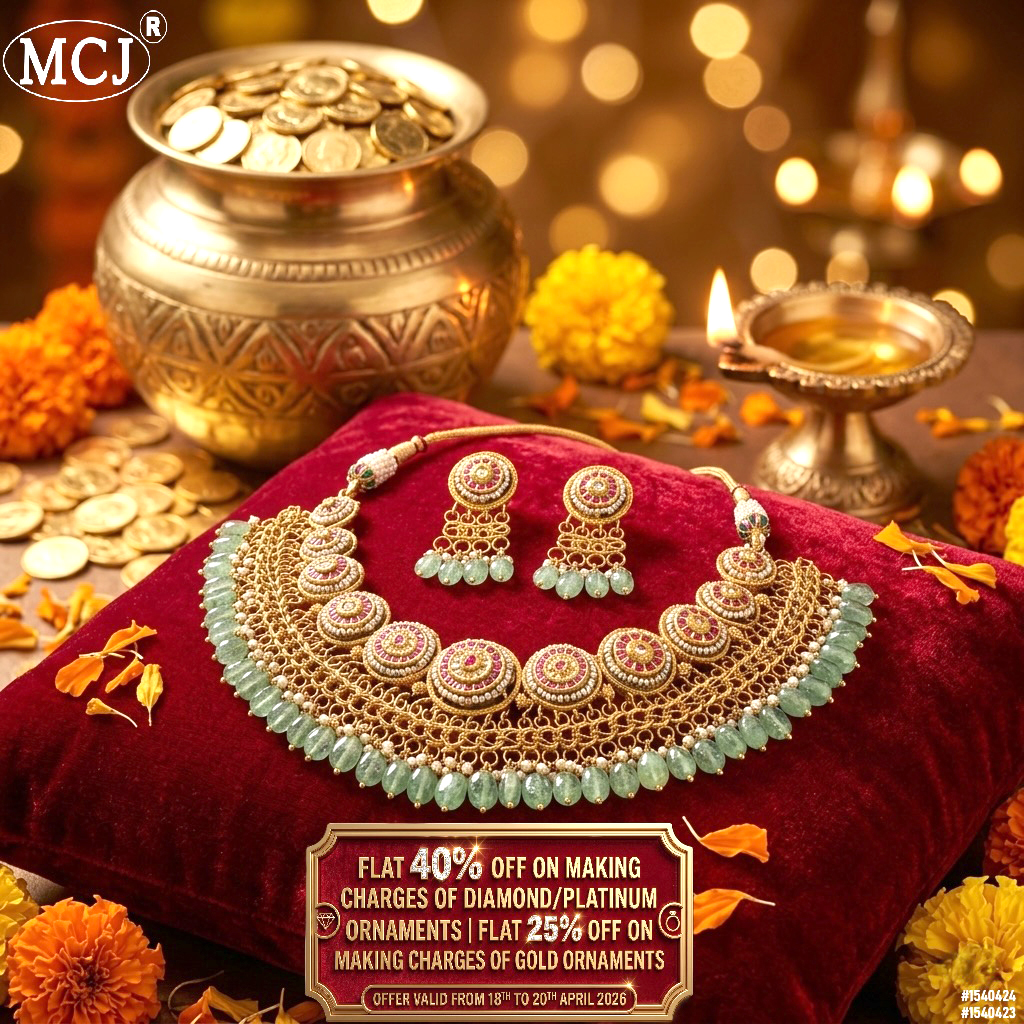
At Kalamandir Jewellers, a regional brand with six major showrooms and eight airport outlets across Gujarat and Maharashtra, the product narrative skewed more decisively toward versatility. As the utility of bridal jewellery expands, Milan Shah, Managing Director, Kalamandir Jeweller, notes, it is directly influencing the weight and design choices retailers are stocking and recommending — with wearable, occasion-flexible pieces increasingly forming the core of a bridal conversation. Kalamandir’s average bridal ticket size rose approximately 15% year-on-year, while bridal sets sold grew by an estimated 22% compared to the previous Akshay Tritiya.
The mix-and-match format is no longer just a budget compromise — it is increasingly the preferred bridal expression among younger buyers, particularly those below 35, who are also gravitating toward lightweight 18-carat and studded designs. “Lighter pieces that work as standalone statements are gaining ground over heavier sets designed solely for ceremonial use,” says Kamath. Clearly, brides are maximising their budgets to build a more utility-oriented stylish trousseau.
Selling Easy and Low
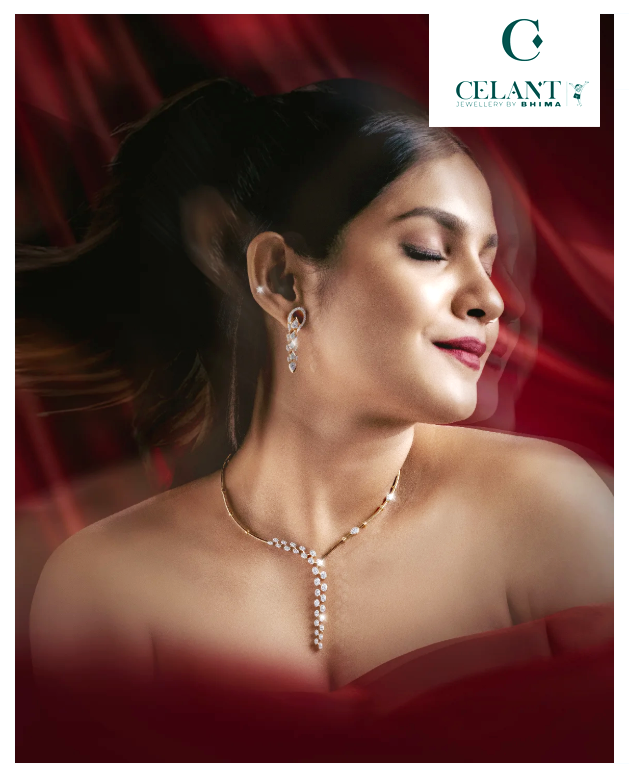
In a season defined by volatility and prohibitive pricing, special offers proved to be the most effective conversion infrastructure available to retailers.The advance booking and rate-locking pattern that has long characterised occasion-led sales intensified this year.
At Manik Chand Jewellers, customers arrived 10–15 days before the occasion to lock in their rate and reserve pieces, completing the transaction on the auspicious day itself — a pattern Soni describes as structural and decades-old, but one that became a lifeline for customers weary of rising gold prices.
Indriya, a fine jewellery brand launched in 2024 by the Aditya Birla Group under its new subsidiary, Novel Jewels, specialising in bridal jewellery, converted this behavioural instinct into a formal product mechanic. “We launched a Double Gold Rate Protection, offering consumers an opportunity to avail the lower gold rate between the booking day and the redemption day,” says Sandeep Kohli, CEO, Indriya. The scheme, designed to incentivise larger value buys including bridal jewellery, turned rate anxiety into a purchase trigger.
Backed by a campaign focused on building deep regional connections for the auspicious day, Indriya saw a larger ticket size than last year, despite its retail footprint expanding to 40+ cities, including smaller ones.
At Kalamandir, approximately 30–35% of bridal customers came through advance bookings or pre-planned consultations. For Manikchand Jewellers, a focus on market activation ahead of the occasion led to a 30% jump in unit sales of heavy bridal sets, despite high prices. Soni attributes this to outreach initiated by directly calling over 1,000 existing customers, which proved the most effective activation tool — outperforming digital channels.
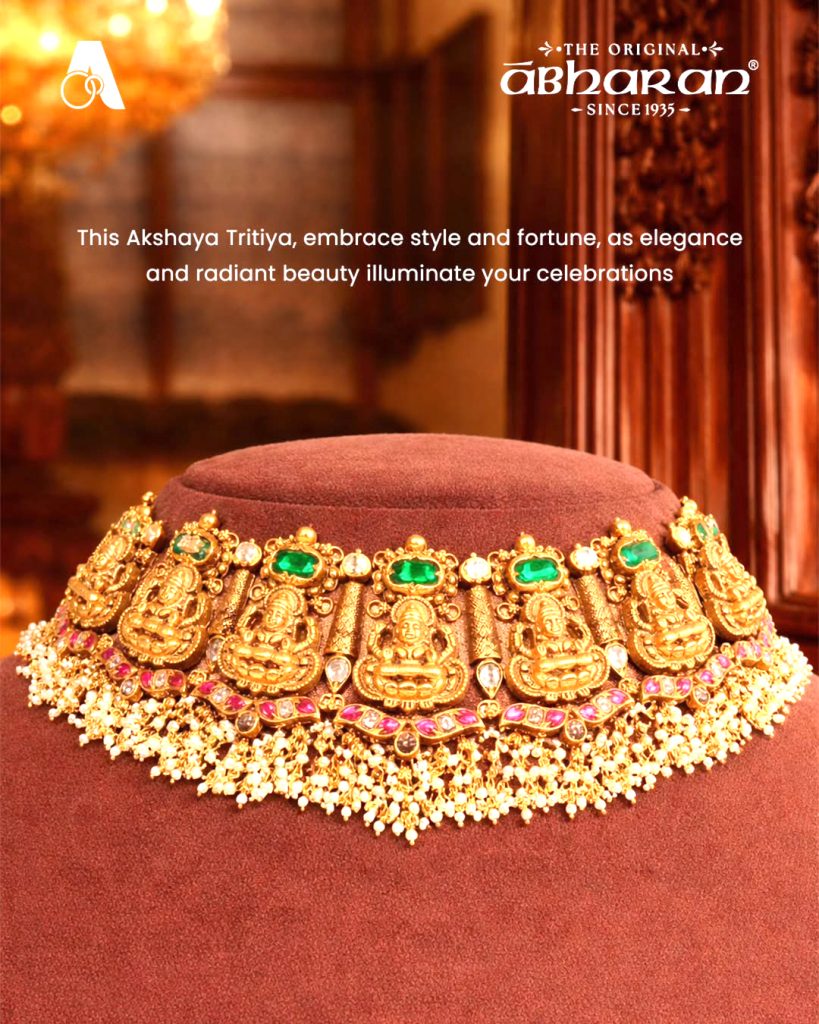
At Abharan, it contributed around 2 per cent of sales, with bookings starting 10 days prior. In Kerala, however, Bhima Jewellery saw strong traction, with bookings starting up to two months in advance. Customers pre-selected jewellery and completed purchases on the day.
With gold prices rising, the pricing structure itself is becoming an issue. Yash Gupta, Director, Sri Alankar Jewellers, a Ranchi-based Tier 2 jeweller with 7+ stores across Jharkhand, points out, “making charges are directly linked to the per gram gold price, making them a far more visible and sensitive component of the final bill.”
“Nearly 70 per cent of our customers opted for making charge offers, as they provided immediate, visible savings. With rising gold prices, this became the most effective conversion lever over rate protection,” says Gupta. This preference reflects a clear shift toward upfront value rather than deferred benefits.
Gandaram Jewellers saw a similar response. The brand introduced a flat 4.99 per cent making charge on inventory that was over 250 days old, and that stock was fully sold during the festival. The offer not only drove conversion but also helped clear aged inventory efficiently. For the middle-class buyer, who continues to anchor demand for plain gold, this pricing approach proved especially effective.
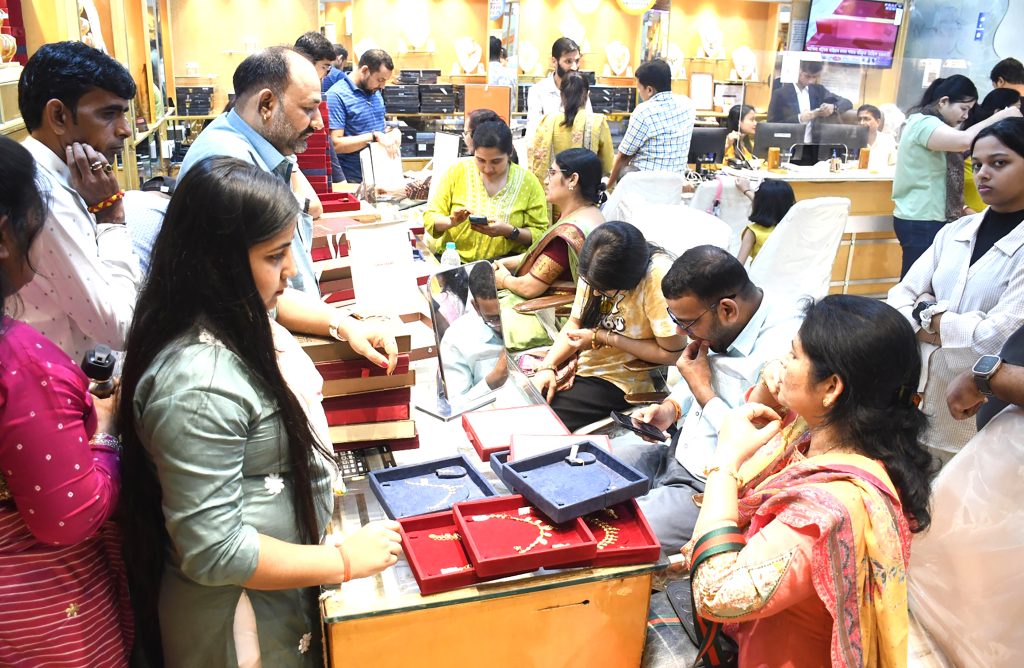
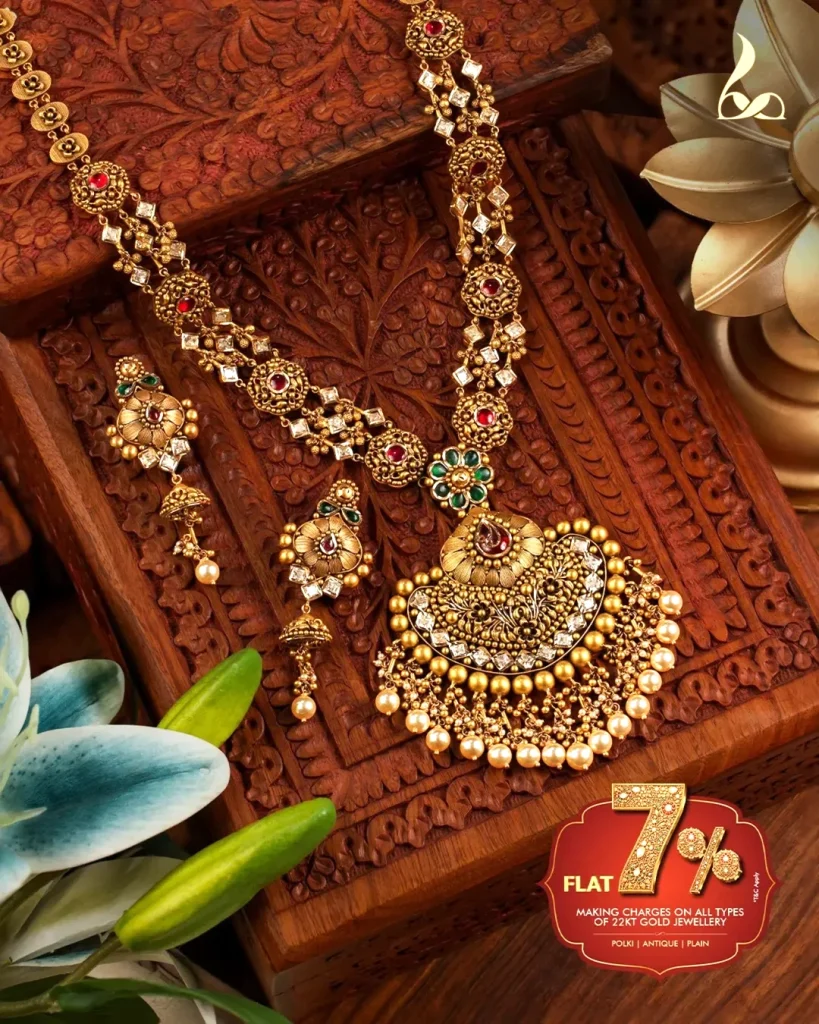
Additionally, exchange offers emerged as the single most effective conversion tool for Soni, who ran a 40% flat discount on gold making charges and 25% on diamond and platinum, but claims the exchange offer was what moved the needle.
“Approximately 45% of bridal customers opted for the exchange scheme, making it the dominant uptake mechanism,” says Soni.
In a welcome departure from the trend, at Abharan Jewellery, where exchange typically contributes around 50 per cent of sales annually, this Akshaya Tritiya, it dropped to 30 per cent. As Kamath notes,” making the occasion more about adding to one’s holdings.”
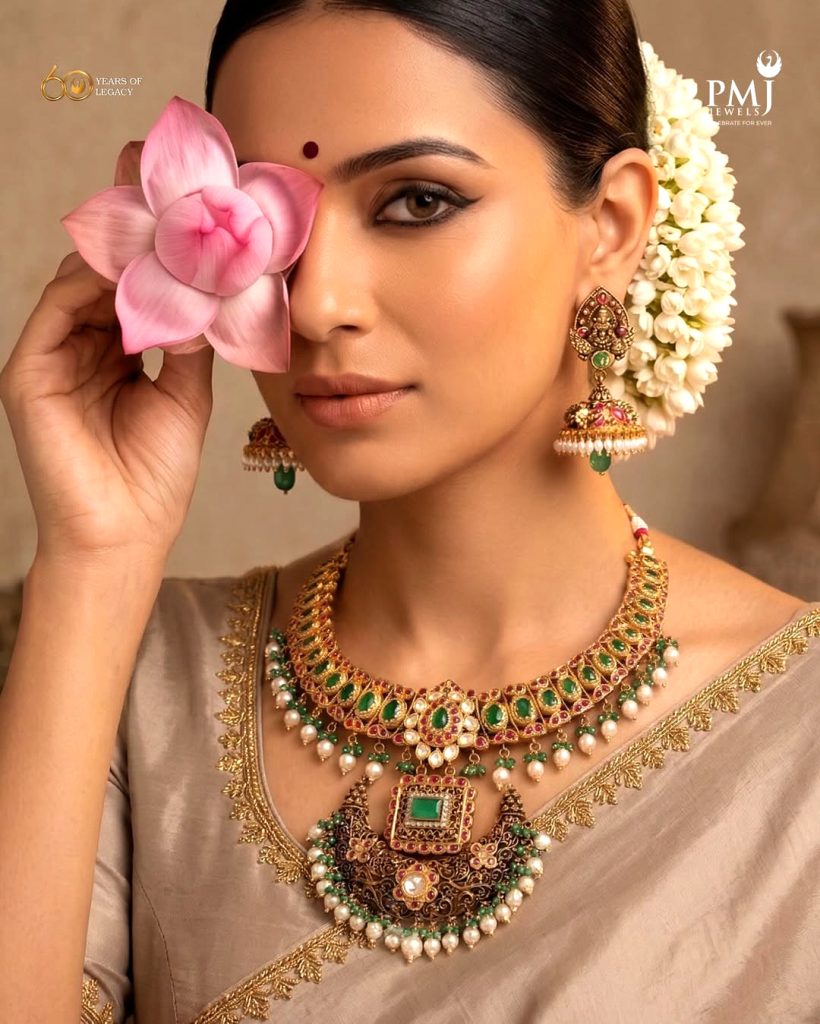
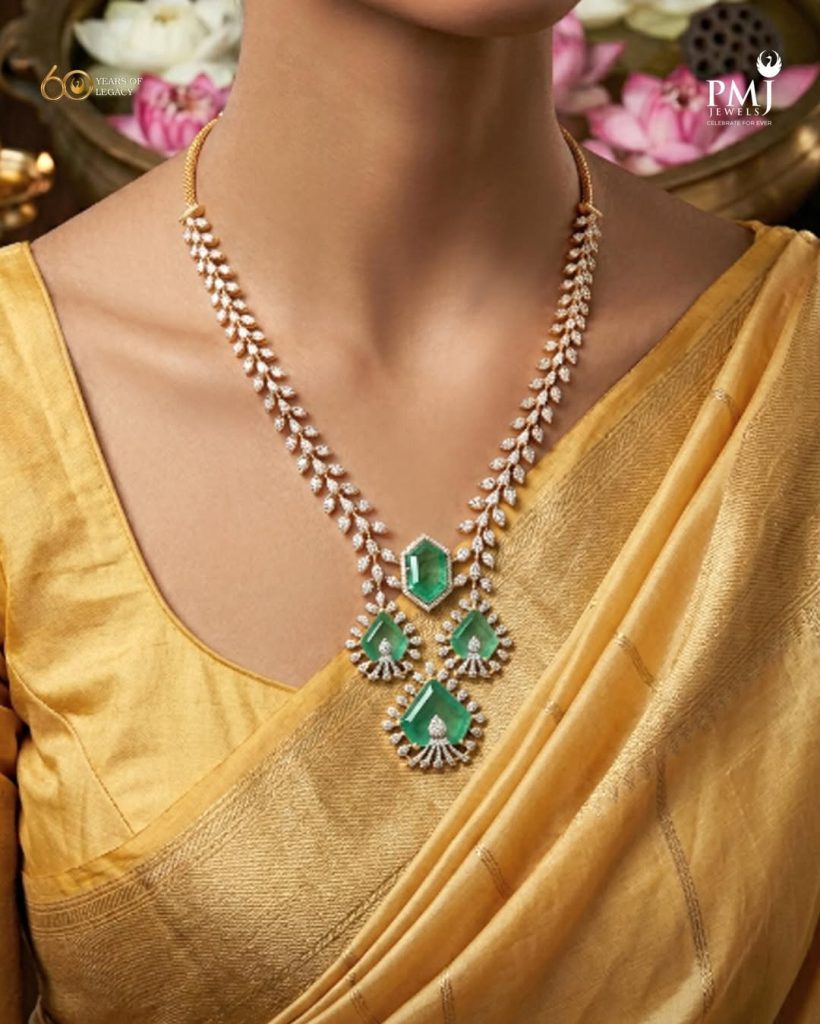
Consumers are choosing to hold on to existing jewellery and build their gold reserves instead of liquidating them.
Taken together, Akshaya Tritiya 2026 offers a clear takeaway. At a time when gold volumes are under pressure, the industry gains indicate more than a festive spike. They point to the retailer’s preparedness to maintain the category’s relevance to an audience that is increasingly demanding voluminous yet feather-light designs, stylish yet investible pieces, and affordable yet distinctly unique designs, signalling the category’s evolution amid new pricing realities, shifting consumer demographics, and growing lifestyle needs.
Quickening Commerce
Akshaya Tritiya is no longer a single-day, store-led purchase moment; it is
evolving into a journey built, influenced, and converted across the entire digital ecosystem, long before the festive sale day.
By Pratyasha K
There is a segment of consumers who do not want to step into a store for a small purchase but remain rooted in the cultural and religious significance of Akshay Tritiya and make last-minute decisions to close intended purchases.
There is a chance that this intent may not be converted at all, or would be converted only with great trouble to both customers and retailers, but for Quick commerce at their service, creating immediacy and convenience.
Then there are those who are discovering on e-commerce and social media, often completing the jewellery purchase in store, using quick commerce for immediacy and convenience, or engaging with digital gold as a parallel entry point. Each digital touchpoint is unfolding a new opportunity and meeting different needs of the industry and consumer alike. And this is reinforced across brands this season.
Insta-marting Blessings
Quick commerce enabled token purchases of gold and silver that could otherwise have remained on the fringe. Platforms like Swiggy Instamart reported a 49x surge in gold orders and a 24x jump in silver sales during Akshay Tritiya this year, with participation from key retailers such as Kalyan Jewellers, Malabar Gold and Diamonds, and Mia by Tanishq. , allowing consumers to lock prices and complete purchases on Akshaya Tritiya at lower prevailing rates. Quick commerce offered one of the clearest signals of how buying behaviour is evolving.
The nature of this demand is critical to understand. These were overwhelmingly small-ticket purchases, largely gold coins and lightweight silver products. What this indicates is not a shift away from traditional jewellery buying, but the emergence of a new channel addressing a parallel demand.
GIVA, a national digital-first silver jewellery brand, reported a 2.5x increase in quick commerce sales, driven by last-minute gifting, impulse buying, and first-time customers. “Quick commerce serves a very distinct role for us. It is not a discount channel; it is driven by convenience and impulse. Our positioning is centred on accessibility, the right piece delivered even on the puja day, without the need to plan three days in advance. We do not want a customer’s spontaneous auspicious moment to slip into inaction,” describes Resha Jain, Chief Brand Officer, GIVA.
Gargi, Pune-based PNG Jewellers’ fashion and silver jewellery sub-brand, saw its overall e-commerce business grow 2x year-on-year, with quick commerce forming part of this growth. In both cases, the success is rooted in low-value, low-risk buying, where the decision is immediate , and the intent is occasion-led.
The Trust Leverage
Beyond quick commerce, the role of e-commerce itself is expanding, but in a more layered way. It is strongest where trust already exists. Legacy brands are seeing this play out clearly. Vummidi Bangaru Jewellers, a Chennai-based heritage retailer, reported a 3x increase in online sales as compared to last year’s Akshay Tritiya.
“A threefold increase in online sales was particularly encouraging for us, especially given that store footfall was down by nearly 30 percent due to the election code of conduct. Though the bulk of these transactions remained below Rs. 50,000, dominated by earrings, small diamond pieces, and gold coins, e-commerce is steadily becoming a meaningful part of our business, as customers are confident buying from us due to the trust built over the years. That gives legacy brands a clear advantage in driving digital adoption”, added Amarendran Vummidi, Managing Partner, Vummidi Bangaru Jewellers.
The takeaway is simple. Precious jewellery e-commerce works best when the brand has already built strong credibility – online or offline. Trust reduces friction, making the online sales or transition between channels smooth. Case in point: during Akshaya Tritiya, CaratLane, a digital-first national chain, saw a sharp spike in online traffic, with about 70 percent customers increasingly shortlisting and browsing designs digitally before visiting stores.
“Consumers are walking in more informed, more certain, and often much closer to conversion, which underscores the growing importance of having a wider inventory available online,” added Shaifali Gautam, CMO, CaratLane.
However, legacy brands are approaching this with balance. While more products are being put online, it is still a small fraction of what is available in-store.
Vummidi Bangaru Jewellers, for instance, currently has around 7 percent of its inventory listed online, a relatively limited share. However, this selection serves as a curated window into the brand’s finest offerings, helping customers understand design direction and price points. It also creates intrigue, prompting customers to explore further and seek more personalised recommendations beyond what is displayed.
This “see online, buy something else” behaviour points to a deeper shift. Discovery is becoming increasingly public and digital, but the final purchase still remains personal, assisted, and in many cases, offline. Digital, in that sense, is no longer just a sales channel. It is the starting point of the festive buying journey and influencing decisions.
Enticing the First-timers
Social media, in particular, is playing a decisive role in building intent amongst first-time buyers. GIVA highlights that content-led campaigns around financial awareness and everyday investment outperformed discount-led messaging, with consumers moving from Instagram discovery to purchase within hours.
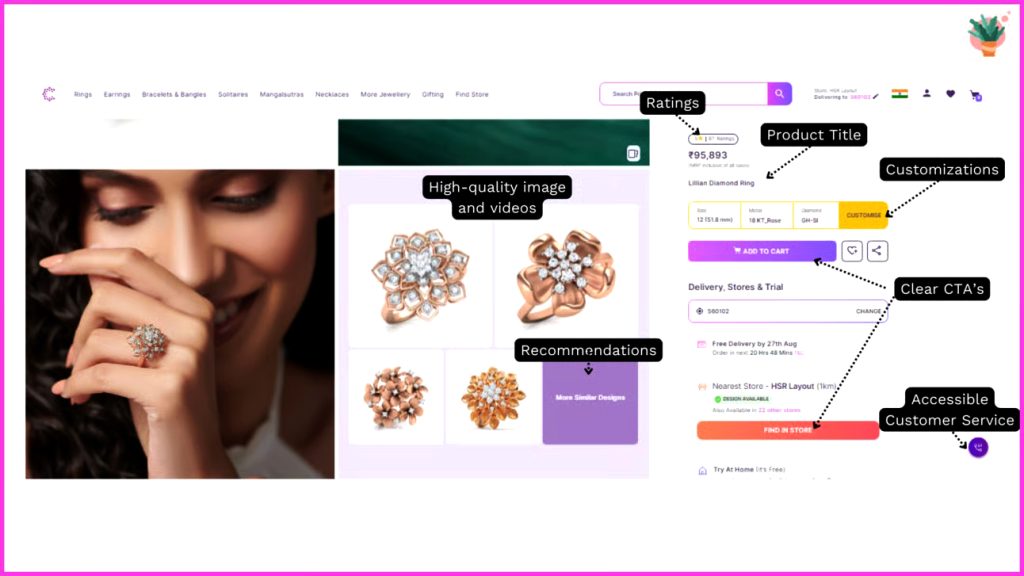
For Mivraa Jewels, a digital-first brand specialising exclusively in 9kt and 10kt plain gold jewellery, the occasion delivered roughly 20% higher sales than a regular weekend, with increased participation from first-time buyers.
“We saw a clear entry of first-time buyers — younger consumers making independent purchase decisions, with a clear intent to own gold even at accessible prices, contributing 25 percent to the occasion’s sale. points,” said Aishwarya Priyadharshni Vummidi, Founder & Director, Mivraa Jewels.
The average ticket size hovered at Rs. 7,000–8,000, with everyday chains, pendants, and bracelets leading sales. “The taboo around 9kt is being taken away — and because these are first-time, younger buyers, they are far more open to exploring the category,” she added.
Small, Digi beginnings
Another layer gaining relevance is digital gold and silver as a pre-purchase mechanism. Thangamayil Jewellery, a listed jewellery retailer with over 50 stores across Tamil Nadu, known for gold jewellery, reported nearly 40 percent growth in participation on its DigiGold platform during Akshay Tritiya this year.
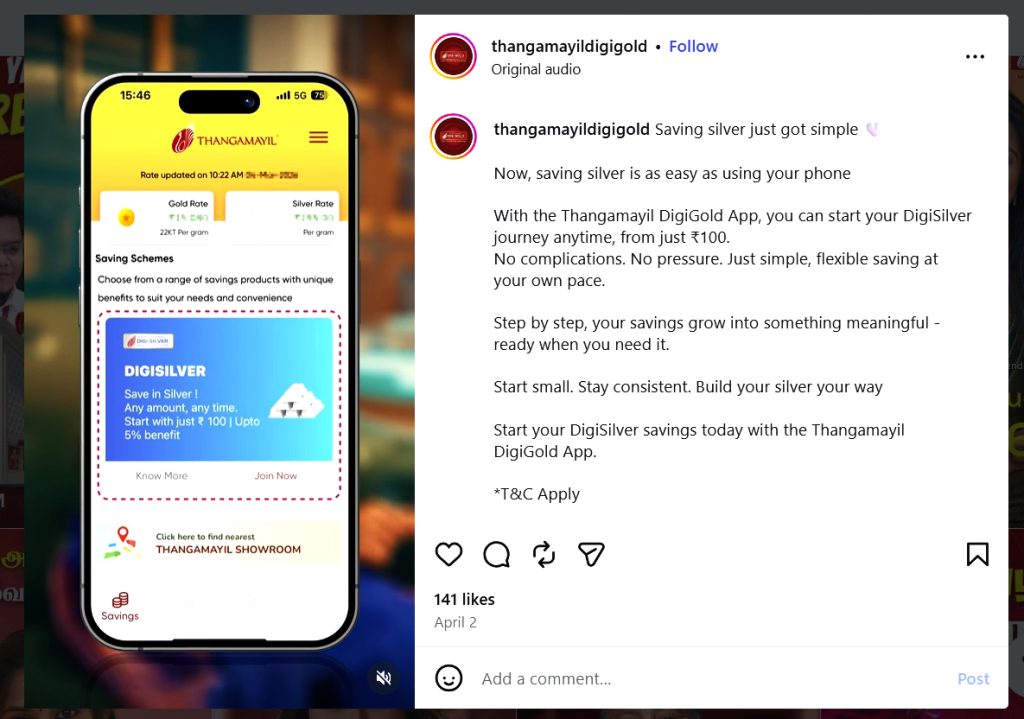
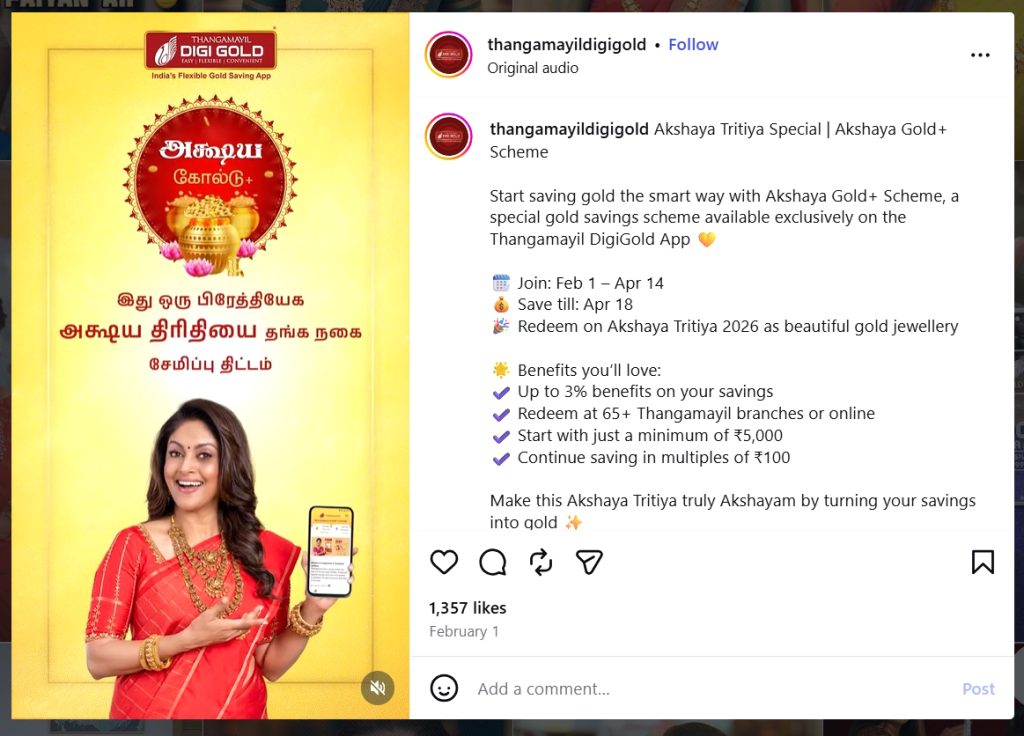
Digital gold was a key focus area in the Akshaya Tritiya strategy of Thangamayil jewellery. “We introduced two new schemes, DigiSilver, an exclusive silver savings plan, and Akshaya Gold+, a limited-period three-month festive scheme for Akshaya Tritiya, which has significantly boosted customer engagement,” explains R. Sivakumar, AGM, Thangamayil Digigold.

What stands out is the growing focus on DigiSilver, reflecting a broader shift in how silver is perceived. As silver prices rise and its visibility as an investment asset grows, consumers are increasingly open to accumulating it digitally.
Unlike conventional jewellery buying cycles, digital gold and silver purchases tend to be habitual, creating a steady rhythm of interaction with the brand, contributing to both customer acquisition and retention.
Senco Gold and Diamonds launched a mega campaign with brand ambassador Saurav Ganguly, promoting it Digi Gold and DigiSilver app, allowing the brand to target consumers who are already comfortable with digital financial behaviour, while also increasing engagement frequency among its existing customer base.
Suvankar Sen, MD & CEO, Senco Gold & Diamonds, said, “DigiGold and DigiSilver have been part of our ecosystem for some time. What we are doing now is strengthening and scaling the model in line with how customers are choosing to engage with gold and silver today. The shift towards digital-first behaviour is very visible, even in a category like ours.”
Senco has wisely kept the experience integrated within its existing ecosystem. Instead of launching a separate app, DigiGold and DigiSilver are embedded into its current digital platforms, enabling a seamless transition between accumulation and redemption into jewellery. This continuity reduces friction and strengthens conversion potential over time.
Sen added, “As the industry becomes more formalised, these digital formats will play an increasingly important role.”
It is opening a window of opportunity to enable strong repeat transactions for existing customers and to shape how engagement begins and evolves for first-time buyers. An opportunity that the industry is lapping up.
The newly founded digital-native brands are gradually building familiarity, trust, and value through smaller transactions, even as legacy brands are creating a more connected, long-term customer journey that ultimately feeds into their primary retail business, in-store or online.
What has become established this Akshaya Tritiya is that jewellers are increasingly influencing festive sales by digital channels, and this influence begins well before the transaction and often extends beyond the moment of purchase.
Diamonds Take Centre Stage
India’s most sacred gold-buying day is welcoming a new guest. Diamonds are arriving, driven by design, affordability, and a younger generation rewriting what auspiciousness means.
By Xena Aayesha Stephen
For generations, Akshaya Tritiya has been India’s most sacred day to buy gold. A convergence of religious auspiciousness and investment wisdom that needed no second-guessing. But something has quietly shifted. This season, across showrooms, a new conversation is taking place. Consumers are arriving with design references saved on their phones; budgets stretched with confidence, and an eye firmly set on diamonds.
The festival has not abandoned gold. But it is no longer gold’s exclusive occasion. Akshaya Tritiya 2026 told the story of an Indian jewellery consumer in transition.
First time, Smart buyers
One of the defining stories of Akshaya Tritiya 2026 was the rise of the first-time diamond jewellery buyer, not driven by the intent to purchase an heirloom piece, but by a desire for an aspirational purchase that adds to her personal style.
It led to the most structurally significant trend of this season, the visible migration of consumers from gold to diamond jewellery. Rising gold prices acted as a catalyst, but design and affordability made the conversion possible.
Today’s buyer, particularly the younger, urban, and aspirational shopper, is arriving with different questions. Does this reflect my taste? Can I wear this every day? Does this feel like me?
Catering to these shifting consumer needs, 9kt studded gold emerged as a key enabler of that first-time purchase. Yuriko Menon, Director at Goldstar Elite Jewels, captured this well. Rings and pendants led volumes, with 9Kt lightweight diamond pieces driving accessibility, while 18kt bracelets emerged as a surprise standout.”
Menon was careful to reframe what might look like downtrading toward lower caratage. “The move from 18kt and 14kt to 9kt isn’t downtrading — it’s smarter buying. Customers are balancing budget, design, and perceived value beautifully.”
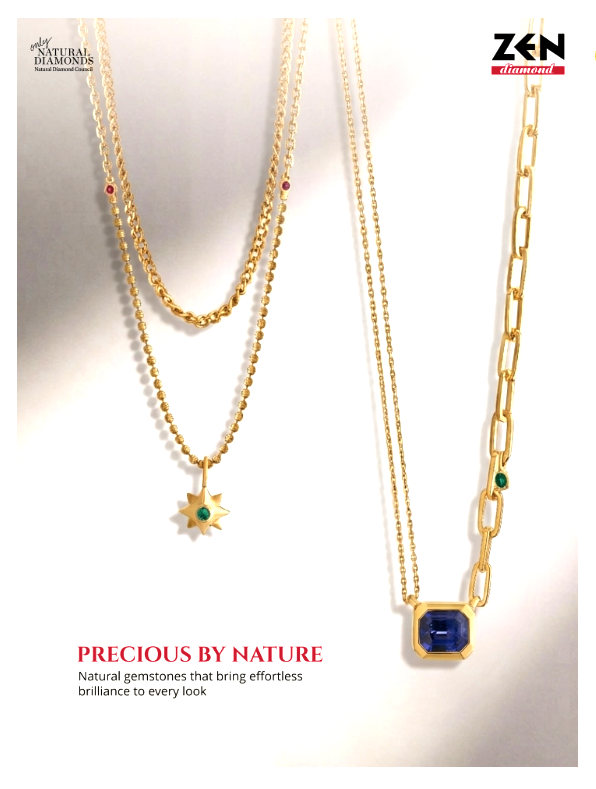
Chetan Kumar Mehta, Chairman and Managing Director at Laxmi Diamonds, Bengaluru-based leading manufacturer of closed setting diamond jewellery for over nearly two decades, and known for thier old heritage of traditional craftsmanship, also described the season that defied expectations.
“Lightweight and medium-weight diamond jewellery drove the bulk of purchases, particularly in South India, with 12 to 25kt sets in strong demand from younger buyers. 30–40% of buyers who might have ordinarily chosen gold converted their purchases to diamond jewellery instead.”
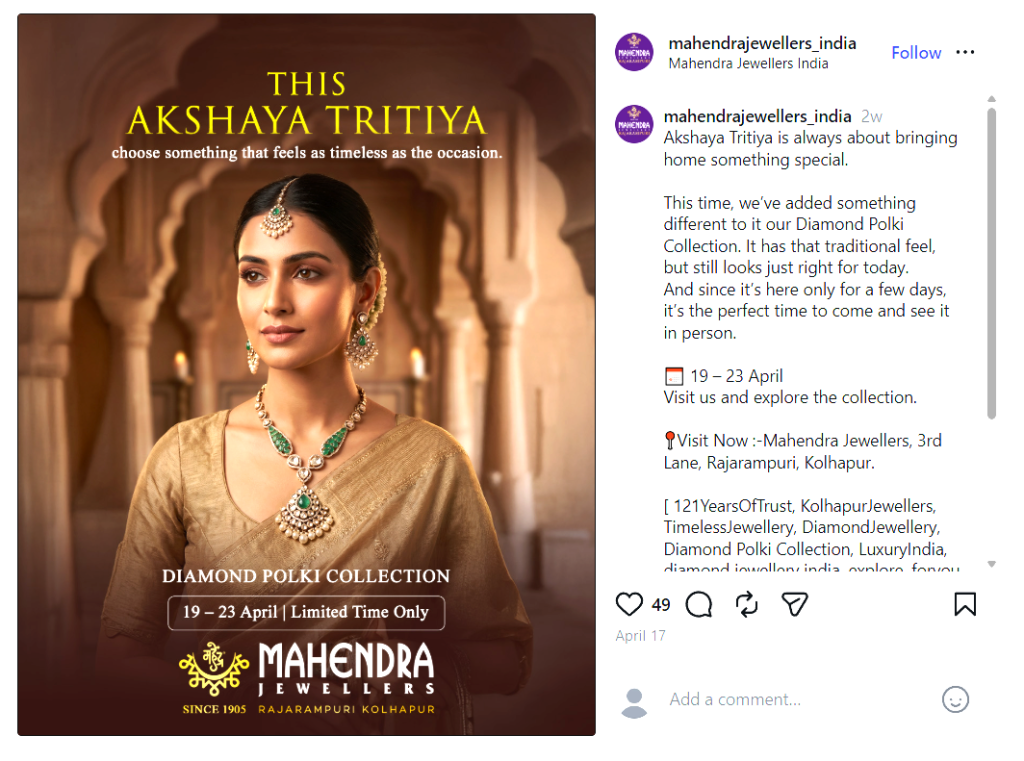
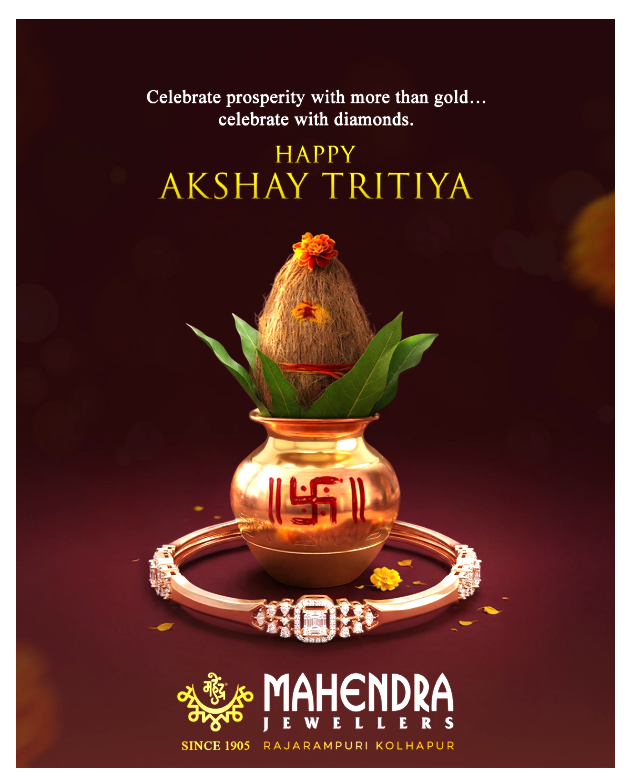
Observing the shift, late last year, Mehul Oswal, Managing Director of Mahendra Jewellers, one of India’s oldest and most trusted jewellers, carrying a proud legacy of over four generations, ventured into 9kt studded jewellery. “Customers are naturally comparing categories and moving towards diamonds. We launched a 9kt diamond jewellery collection named “Aarambh” with great fanfare. Footfall rose 10–15%, and fresh purchases dominated entirely.”
Styled for Less
Another compelling growth story this season came from an unexpected corner: natural diamonds set in silver, launched by Shaya by CaratLane last year.
Ajith Singh Rajapoopathy, Business Head at Shaya, also explains the appeal with clarity. “Natural diamonds carry inherent value. Silver offers accessibility. Together, they create a compelling alternative for consumers priced out of gold-dominant diamond jewellery. It contributed 25% of total brand sales this Akshaya Tritiya, surpassing even internal expectations.”
Shaya reinforced this proposition with an industry-first lifetime buyback policy offering 75% of the value for natural diamond-silver pieces, and an exclusive 20% discount on the category for Akshaya Tritiya. “Superior design capability in this combination has been central to driving acceptance,” Rajapoopathy notes. The message to the market is clear: affordable does not have to mean compromised, and this season’s consumers understood that perfectly.
Across brands and price points, design innovation emerged as the defining competitive advantage of Akshaya Tritiya 2026. Consumers did not just want diamonds or gold; they wanted pieces that fit their budgets and looked a particular way.
Beyond category shifts, this season revealed something important about consumer confidence: people are spending more, and they are doing so deliberately.
Menon highlights the budget stretch that people are willing to incur, mentioning, “The biggest shift this season wasn’t just in volume — it was in ticket size. Most purchases last year were sub Rs. 50,000, but this Akshaya Tritiya, customers confidently stretched to sub Rs. 1 lakh.”
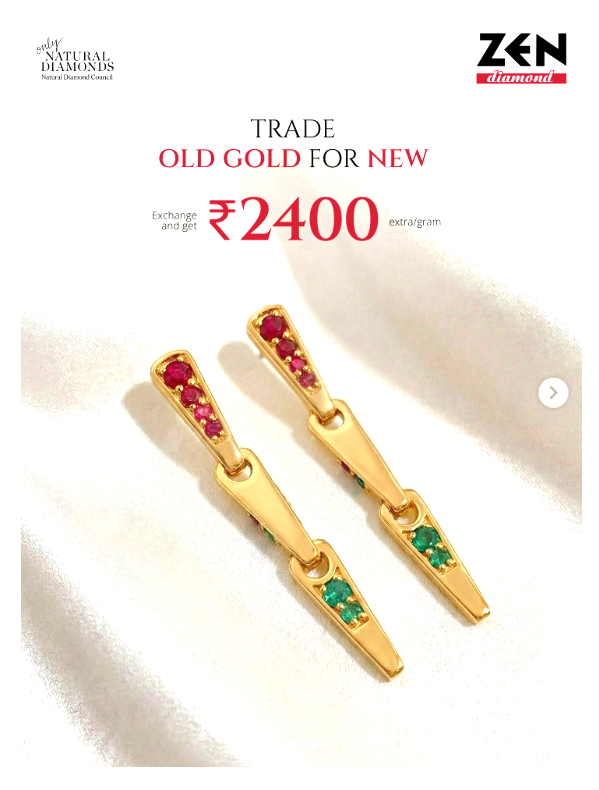
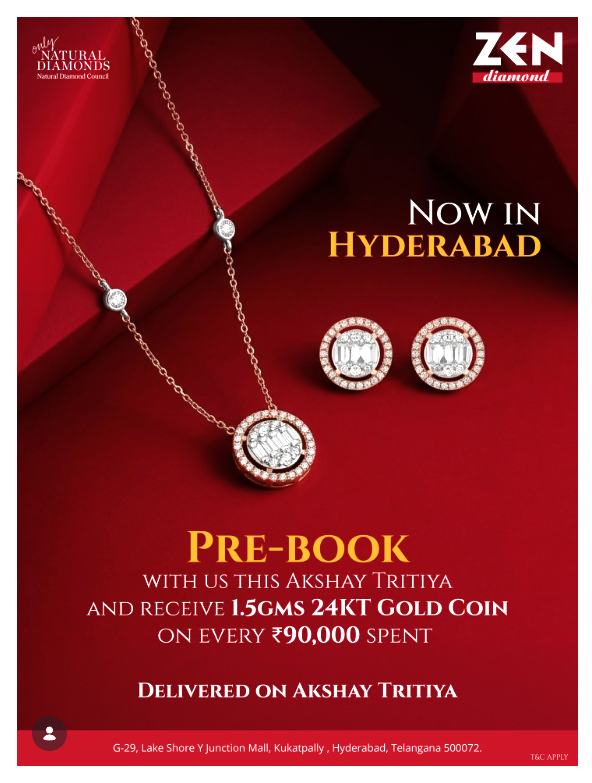
Neil Sonawala, Managing Director at Zen Diamond, a Turkish-origin natural diamond jewellery brand that has grown from 2 stores at its India launch in 2024 to 6 stores by Akshaya Tritiya 2026, also saw this season as a decisive moment of category evolution. “Unlike 2025’s impulsive purchases, customers arrived pre-decided, with spending concentrated firmly in the Rs. 3–10 lakh range, averaging around Rs. 5 lakhs. Crucially, 14-carat natural diamond jewellery led demand, favoured for its fresh designs, lightweight construction, and superior finishing. Design has overtaken material as the primary driver of consumer purchases.
That is a remarkable inflexion point for a festival long defined by the intrinsic value rather than the utility and style quotient of what was bought.
Small city aspirations
While metropolitan markets continued to lead in ticket size, this Akshaya Tritiya signalled the growing momentum of Tier 2 and Tier 3 cities as a force in fine jewellery demand. The South remained the strongest regional market, but the North is emerging with serious momentum.
Satvik Kamath, Director at Abharan Jewellers, a trusted, heritage jewellery brand founded in Udupi, Karnataka, with nearly 90 years of legacy across gold, diamond, and silver jewellery, observing this, stated, “This Akshaya Tritiya, we witnessed a 100% increase in diamond jewellery sales in terms of volume — a number that we were not expecting. Tier cities drove this growth, signalling the appetite for diamond jewellery.”
Menon, also mentions how western India performed strongly, stating, “Tier 2 and 3 markets have showed solid traction this Akshaya Tritiya.”
This shift is more pronounced in tier cities, where middle-class gold buyers are becoming first-time diamond buyers. As gold becomes more expensive, customers begin comparing categories within the same budget.
Sri Alankar Jewellers, a Ranchi-based Tier 2 jeweller with 7+ stores across Jharkhand, observed that 20–25 per cent of customers who came for plain gold shifted to diamond jewellery. This was seen across segments, from token purchases to everyday and bridal jewellery.
The Coloured Gemstone Saga
Amid the ongoing commotion over rising gold prices, Tanishq made a deliberate move into natural-coloured gemstone jewellery this Akshaya Tritiya with the launch of Hues, a collection crafted in 18kt gold and featuring carefully sourced stones, including emeralds, amethysts, citrines, tourmalines, and tanzanites. The range starts at 30K, with a promise of 100% exchange, making it more accessible, allowing young buyers to indulge in more relatable designs while remaining assured of its investible value.
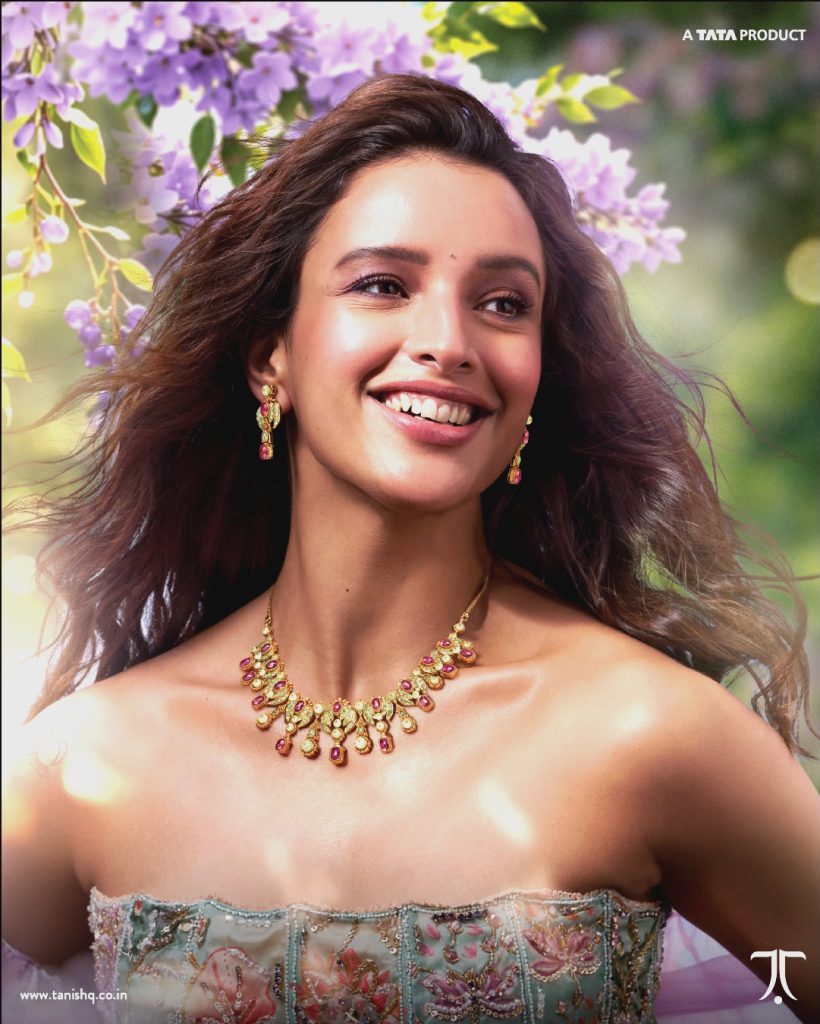
Crafted exclusively in 18kt gold, Hues reimagines the way gold is experienced this Akshaya Tritiya—moving beyond traditional, investment-led purchases to jewellery that is expressive and meant to be worn. Arun Narayan, Chief Executive Officer – Jewellery Division at Titan Company Limited, framed the shift plainly: “A key emerging shift is the growing preference for natural gemstone jewellery, as consumers increasingly look for distinctive, design-led expressions of personal style. Overall, Akshaya Tritiya reflects a clear evolution in consumer behaviour towards more purposeful purchases that balance tradition, design, and enduring value.”
Yet, Tanishq’s move into natural colored gemstones is far from an isolated play. Zen Diamond, too, recognising the strategic timing, introduced The Aria Collection: their new 18-carat gold line set with natural coloured gemstones, which contributed significantly to their overall Akshaya Tritiya performance.
This signals a broader industry recognition that today’s consumer, particularly the younger, urban buyer, is seeking pieces with distinction, individuality, and a youthful yet refined appeal.
At Indriya, this is playing out clearly in the performance of studded jewellery. The category has seen strong traction, driven by design appeal and evolving consumer preference. As Sandeep Kohli notes, is that studded jewellery’s gains this season were driven by design appeal, not a price-driven flight from gold — the two trends are running in parallel, not in substitution.
Akshaya Tritiya has not stopped being about gold, and it likely never will. The emotional and cultural weight of gold in the Indian context is too deep, too generational to simply dissolve. But the festival’s identity is clearly expanding — and gemstones are at the heart of that expansion.
This season demonstrated an evolution. The Indian jewellery consumer has grown more sophisticated, more design-literate, and more willing to define auspiciousness on their own terms. Today they are choosing alternate jewellery as quiet declaration of self.
Silver Finds its Shine
This year, silver carved its own path rather than simply rising in gold’s shadow. Akshaya Tritiya 2026 may well be remembered as the moment silver asserted itself—not quietly, but with confident consumer choice.
By Sharmishtha Chahande
For decades, Akshaya Tritiya has been closely associated with ritualistic purchases of silver coins, rooted in tradition and long-term value. But this year, silver jewellery claimed centre stage in its own right, moving beyond its conventional image of gold’s poor cousin. Across physical stores and digital channels, silver jewellery emerged as a deliberate, confident choice, signalling a deeper shift in consumer perception of the white metal, backed by widening design choices, growing accessibility through multi-sales channels, BIS- assured purity, along with investment schemes and savings plans for silver.
A Deliberate Choice
At GIVA, a major D2C jewellery brand with 130 stores in India, this shift was unmistakable. “Silver had a genuinely strong Akshaya Tritiya,” says Resha Jain, Chief Brand Officer, GIVA, noting that gold’s steep rise may have opened the door, but “Consumers who are coming to silver this Akshaya Tritiya aren’t just settling, they’re deliberately choosing it.” The brand’s digital indicators reflected this change as well. “We track add‑to‑cart activity, wish list saves and advance browsing patterns,” Jain says. “This year, all those metrics spiked early. Silver was no longer an afterthought.”
After the unusual gains in 2025, silver prices reached a historic high in Jan 2026 before settling to a realistic level. This gradual rise over the last year has built silver’s relevance as an investment. “A metal that sat in drawers is now being discussed in finance reels, CA posts and personal finance communities as a serious asset,” Jain explains.
Even though silver has always been valued as a precious metal, the gap between the gold and silver as investible assets has only started to narrow in the last one year.
The plethora of mobile apps supporting commodity trading, digital silver, and ETFs is a testament to the growing popularity of its investability and wider reach to retail customers.
Jewellers with an active digital setup for gold savings have extended the plan to silver. Thangamayil Jewellery, a listed jewellery retailer with over 50 stores across Tamil Nadu known for gold jewellery, introduced their DigiSilver scheme in the beginning of this year. “It is an exclusive silver savings plan, which reflects a broader shift in how silver is being perceived. As silver prices rise and gain visibility as an investment asset, consumers are increasingly open to accumulating it digitally,” explains BA Ramesh, Joint Managing Director at Thangamayil Jewellery.
The domino effect of this is evident in the industry, as legacy jewellers begin to approach the silver business with greater seriousness. One notable example is Chhandi, a dedicated silver sub-brand launched by Jewellers Madanlal Chhaganlal (JMC) from Indore. “Chhandi was launched as a separate store, adjoining the JMC store in Indore, to elevate silver into a premium, aspirational category backed by our 76-year legacy,” says Shobhit Nagar, Partner, JMC. With a curated assortment of 925 and 999-fine silver, the brand drew strong interest from first-time buyers and gifting customers. “Silver today is no longer a secondary purchase but a mainstream choice.”
Shaya, the silver brand under the CaratLane umbrella, registered nearly 50% growth this season. According to Ajith Singh Rajapoopathy, Vice President & Business Head, CaratLane, silver’s price rise—from Rs. 100–120 per gram last year to nearly Rs. 250 this year—initially caused hesitation, but consumer acceptance soon stabilised. “Over the last couple of months, pricing has settled in the consumer’s mind, and demand has clearly picked up.” Women between 25 and 45 remained Shaya’s dominant buyers, with earrings and necklaces leading the category.
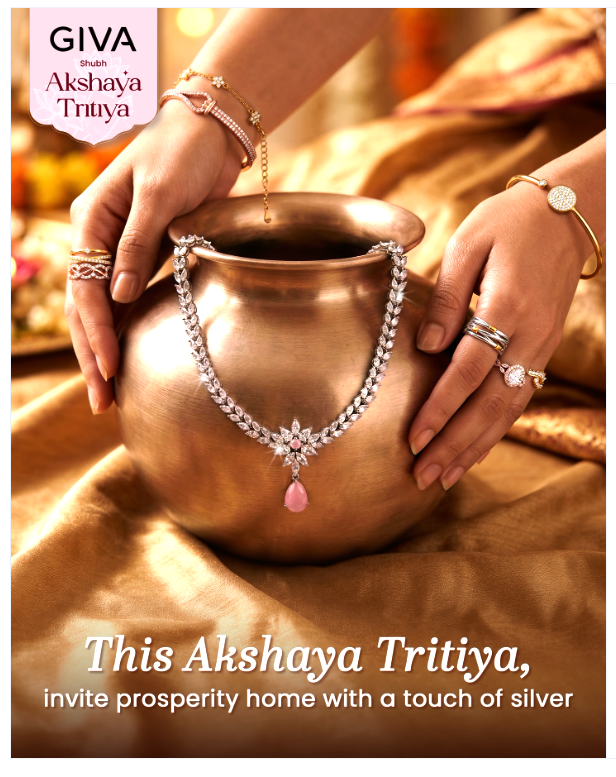
Rajapoopathy also added, “At Shaya, our designs are our most important differentiator. India-specific art, tribal art, and designs inspired by national monuments is our core USP. Along with that, because of the increasing gold rates, we provide a better cheaper alternative with far more superior designs in the silver plus natural diamond combination.”
The demand for everyday-wear pieces such as stackable rings, bracelets and layered necklaces have also lifted. “The investment angle brought them in, but it’s the design quality that kept them,” adds Jain from GIVA.
The Silver Bride
Beyond stylish and fashionable designs, the metal is also seeing greater acceptance in the bridal segment. In the past, Shaya by CaratLane has launched collections by the ‘Shaadi Squad’ tag, targeting the bridesmaids and gifting for weddings. However, the ‘Shaya for Weddings’ campaign in the month of April formalised their entry into this segment. Wedding-led silver purchases have clearly surged for this brand now. “April and May are peak wedding months, and silver has become a serious contender, especially gold-plated and temple-inspired designs,” Rajapoopathy says.
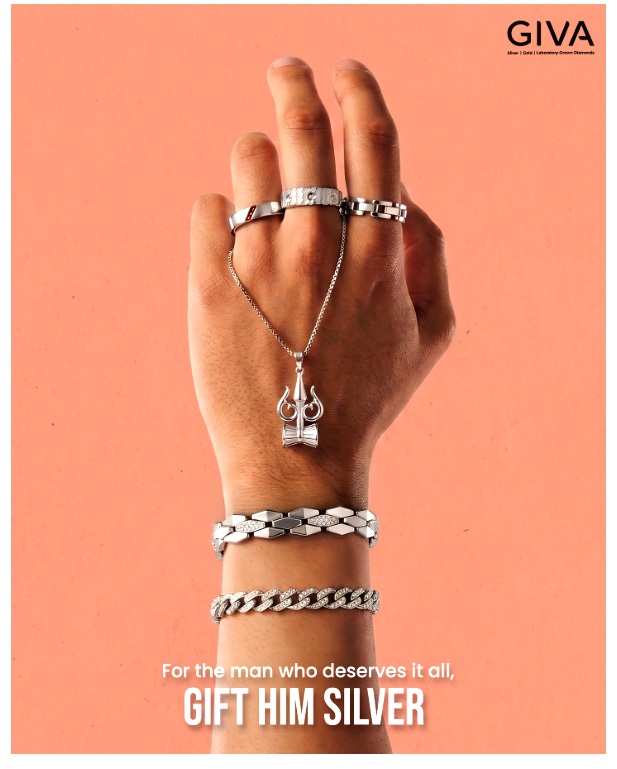
This trend was also echoed at Chhandi (JMC). “Since Chhandi’s launch, the demand for silver has skewed towards jewellery and religious articles,” says Nagar of JMC. “Customers want meaningful, wearable silver; pieces that fit into wedding trousseaus and gifting rituals.”
The Online Surge
Shyle Silver Jewellery, a digital-first brand backed by Shark Tank India investors, witnessed a sharp rise in festive shopping online. “Silver is no longer just a traditional purchase—it’s becoming a modern festive essential,” says Astha Katta, Co-Founder, Shyle.
The brand saw higher ticket sizes, strong traction for minimalist statement pieces, and marked a 50% increase from last year in first-time festive buyers. “Usually during Akshay Tritiya, the ratio of first-time buyer vs repeated buyer is 6:4. This year, it was 9:1, which meant 90% of our sales were from new buyers,” Katta explains. Tier‑2 and tier‑3 markets also contributed significantly. “When customers can buy authentic hallmarked silver with transparent pricing and contemporary design, hesitation around online purchases reduces.”
For omni-channel players like GIVA, the digital journey condensed dramatically. “What used to be a multi-day journey from discovery to purchase is now happening in hours,” says Jain.
Additionally, early-session browsing, sharper add-to-cart behaviour, and pre-festival traffic indicated intentional purchases rather than impulse ones.
Shaya by CaratLane also saw digital discovery translate into in-store conversions through CaratLane’s network, underscoring the importance of content-led awareness for design-led silver.
The Gold Alternative
At Trisu, which specialises in 22k gold vermeil on sterling silver, silver’s role as a gold alternative drove both product strategy and sales. “Gold cannot be afforded by everybody,” says Mahak Chopra, Co-Founder & Product Head, Trisu, a digital-first brand launched in 2023.
“But when consumers see silver that offers a gold-like look and feel at one-fourth the price, they gravitate toward it,” Chopra added. Chains remained the brand’s hero category, with men’s jewellery delivering impressive volume as well.
Shaya by CaratLane expanded their portfolio with ‘Nitya’, a temple-inspired gold-plated jewellery collection priced Rs. 2,000–Rs. 25,000 and above. “Nitya offers the visual gravitas of gold at a far more accessible price,” Rajapoopathy notes. Shaya had launched a few designs from the Nitya collection as a consumer experiment in 2025, and it performed overwhelmingly well, which led to them releasing the full collection this Akshay Tritiya. A dedicated digital campaign further amplified the launch, highlighting heritage motifs and value-driven festive styling.
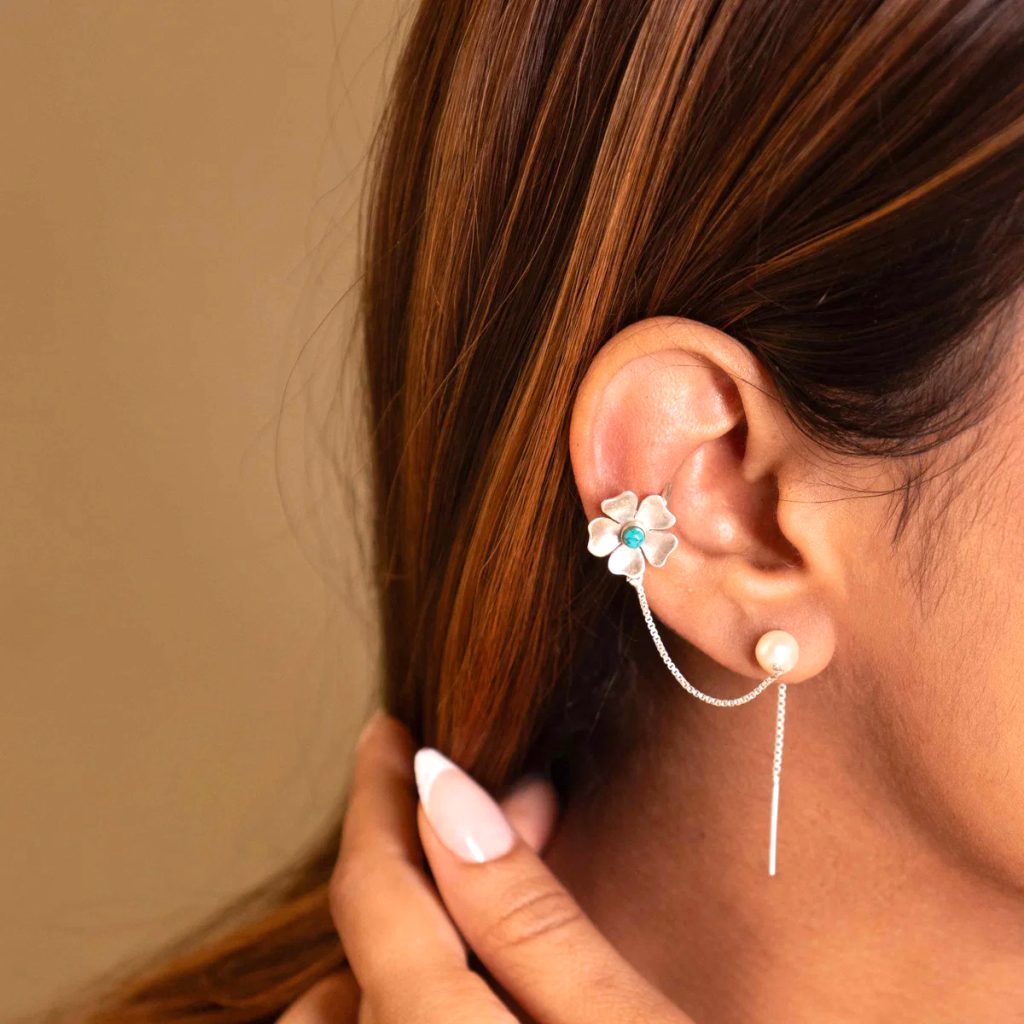
JMC observed a similar pattern. “Many gold customers are now buying silver as an additional category,” Nagar notes. “For gifting, silver is often replacing gold entirely because of practical price points.”
As the utility of jewellery becomes a more lifestyle- oriented form of self-expression and style, customers are seeing more value in variety and versatility than volume. Across brands, a consistent pattern is emerging in the category; a deliberate self-purchase, deeper research into purity and buyback, silver chosen as wedding jewellery, and growing digital comfort even outside metro cities.
The Retail Jeweller India Magazine