



As Gen Z trades inherited heirlooms for self-earned jewellery, Devika Kapoor, Partner at Kashi Jewellers, explains to The Retail Jeweller, how legacy brands must evolve. Through targeted sub-brands SHE by Kashi and DK by Kashi, she captures independent first-salary buyers, reversing traditional gifting dynamics to build a trusted, cross-generational pipeline for lifetime luxury patrons.
For generations, the Indian jewellery industry has operated on a predictable, linear model of consumption: the multi-generational transfer of wealth. High-ticket sales were structurally anchored to milestone inheritances, heavy bridal trousseaus, and family collections passed down from mothers to daughters. Today, however, sitting at the helm of a legacy brand like Kashi Jewelers, I am witnessing a profound psychological shift that is completely flipping this traditional retail logic.
Jewellery is no longer a passive heirloom; it has transformed into an active, self-directed badge of independent achievement. Driven by their first salaries and corporate milestones, India’s Gen Z cohort is redefining what precious jewellery signifies. More distinctively, they are reversing the historical direction of familial gifting. We are seeing a beautiful behavioural evolution where young, financially autonomous individuals enter our stores to purchase jewellery with their own earnings, specifically to gift it back to their parents. For an industry historically dependent on traditional family-led buying, this emotional and transactional shift demands an immediate, strategic response.
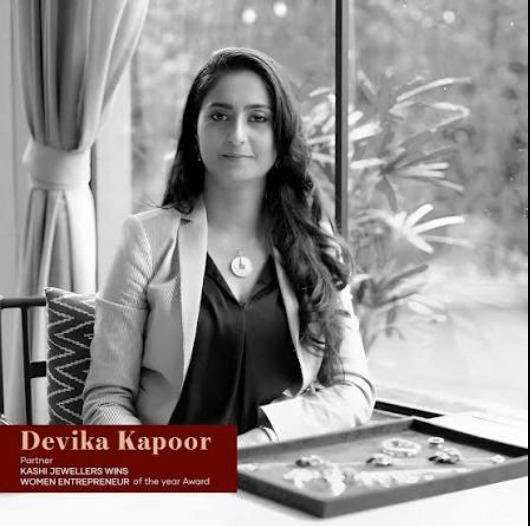
“At Kashi Jewellers, we recognised that capturing and retaining this evolving demographic required a deliberate expansion of our brand architecture. We could not simply rely on our parent brand’s core identity to serve these distinct needs; instead, we engineered targeted sub-brands to act as programmatic funnels into our ecosystem.”
Devika Kapoor, Partner, Kashi Jewellers, Kanpur
The Regional Reality: Volatility and the Demand for Speed
To truly understand this behavioural shift, one must look past metropolitan digital trends and examine the changing dynamics within Tier-2 retail environments like Kanpur. Regional markets are currently saturated with an unprecedented amount of industry noise—from hyper-local exhibitions to floating pop-up retailers arriving from different cities. This crowded marketplace makes establishing clear trust, rigorous standardisation, and absolute certification more critical than ever before.
Simultaneously, macroeconomic factors have introduced significant friction. Sharp gold rate fluctuations and widespread market uncertainty have made the modern consumer highly conscious of long-term asset value. Yet, while older buyers might hesitate or wait out market volatility, the younger Gen Z consumer approaches the counter with a radically different, fast-paced mindset. They bypass the long, deeply pampered, multi-hour consultations that traditional families expect when purchasing heritage jewellery. Instead, they treat jewellery acquisition with a highly streamlined, efficient corporate approach. They demand authentic, certified, everyday luxury that offers a tangible value-back guarantee, but they expect the retail transaction to mirror the speed and autonomy of modern corporate commerce.
The Sub-Brand Blueprint: Engineering the Ecosystem
At Kashi Jewellers, we recognised that capturing and retaining this evolving demographic required a deliberate expansion of our brand architecture. We could not simply rely on our parent brand’s core identity to serve these distinct needs; instead, we engineered targeted sub-brands to act as programmatic funnels into our ecosystem.
Our first major step in this direction occurred just after the pandemic in 2021, when we introduced DK by Kashi. Designed as a dedicated store-within-store concept, this line caters to a highly specific, niche market of modern women. It focuses on everyday luxury through minimalist natural diamonds, precious gemstones, and handcrafted 18-karat gold pieces. By offering distinct, modern designs, it successfully bridges the gap between traditional precious value and contemporary aesthetics.
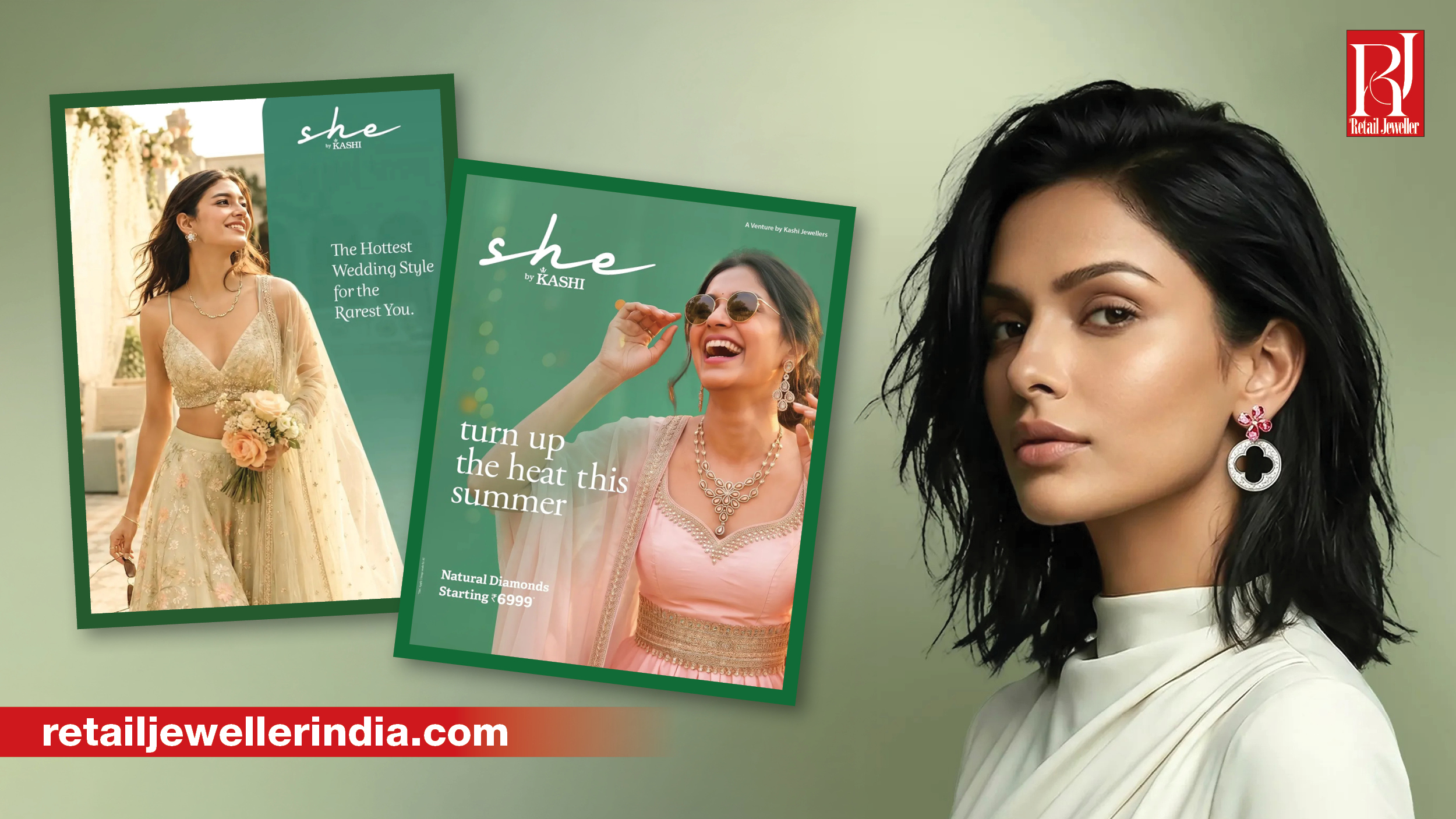
Building upon those insights, we launched SHE by Kashi to serve as a highly accessible entry point for the youngest consumer bracket. Positioned with an aggressive starting range of ₹7,000, this brand focuses exclusively on lightweight, 18-karat precious jewellery. Crucially, we refused to drop lower in caratage despite market shifts, because the modern consumer remains highly aware of long-term value; they want something authentic and certified, even at an entry-level price point. Furthermore, we chose to deploy SHE by Kashi through independent standalone retail stores rather than shop-in-shop modules, explicitly tailoring the physical environment to match the quick, independent in-store experience these young buyers desire.
Harmonising the Generational Transition
The commercial success of this multi-tiered architecture relies heavily on cross-generational synergy. Driven by digital campaigns across platforms like Instagram—particularly during high-volume periods like Valentine’s Day promotions—we are successfully introducing entirely new, young buyers to the Kashi ecosystem.
Once these consumers enter our ecosystem, a natural, dual-directional spillover occurs. Legacy patrons coming in for traditional bridal or milestone consultations discover our lightweight lines and introduce their children to the sub-brands. Conversely, the young professionals who buy their very first pieces from SHE by Kashi build an early, foundational relationship of trust with our organisation. As their purchasing power matures and they face larger life milestones, they naturally graduate into the high-value offerings of our parent brand.
Ultimately, the mandate for the B2B jewellery sector is clear: the future of our industry belongs to those who build structural retail paths for independent earners. We are no longer just preserving the heritage of the past; we are providing the exact tangible markers the next generation requires to celebrate their independence.
By Maithili Patange