

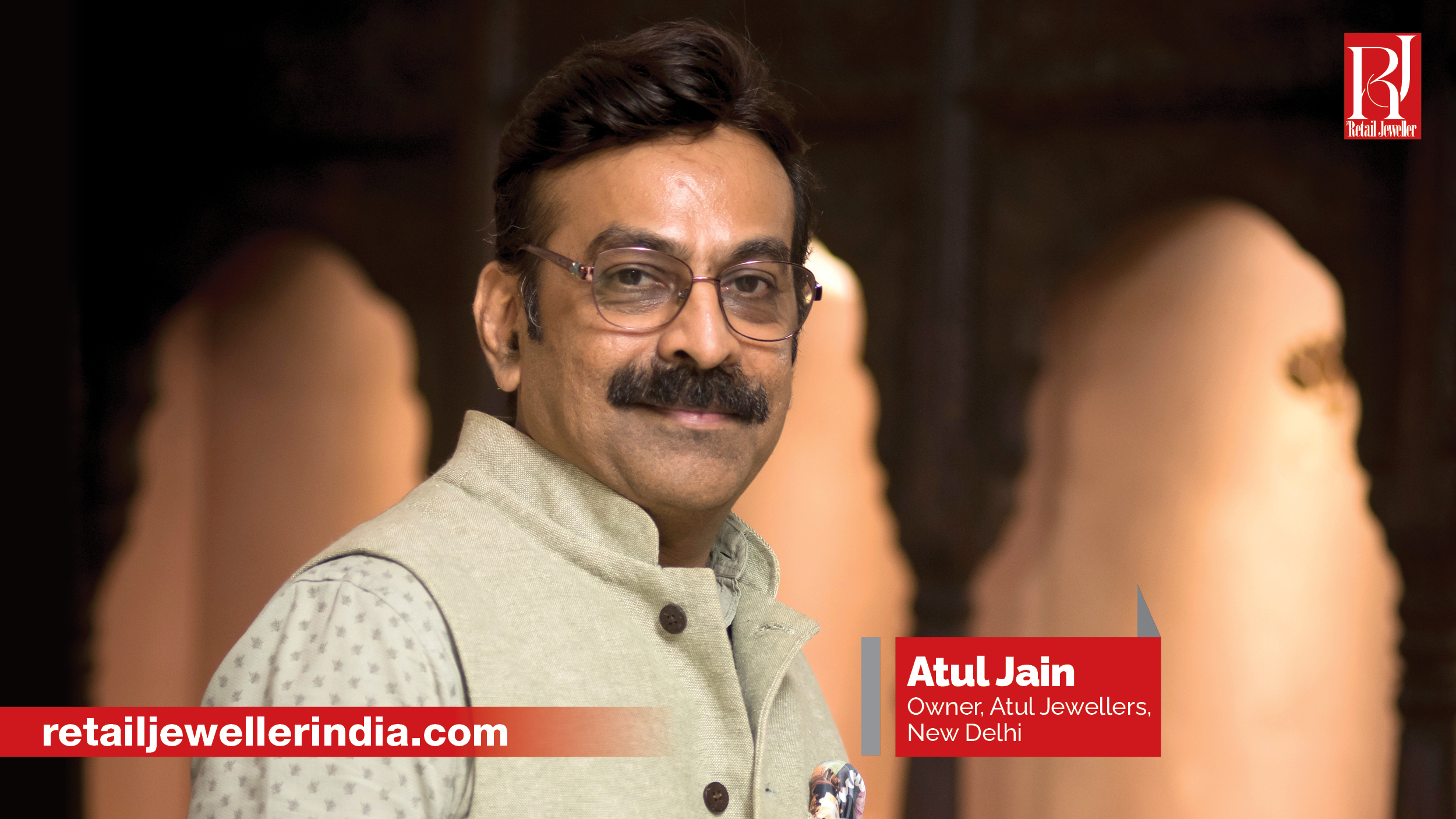

—Atul Jain, Owner, Atul Jewellers, New Delhi
I have spent a lifetime around jewellery, but my relationship with heritage pieces began much before I understood their market value. It began in Chandni Chowk, where I watched my father break old ornaments just to recover the gold, rubies, and diamonds inside them. At the time, the piece itself had very little commercial respect. The metal had value. The stones had value. But the craftsmanship, the history, and the design language were often lost in the process. That stayed with me. Even today, I believe one of the biggest mistakes our trade has made is to look at old jewellery only through the lens of melting value.
That approach is not just commercially limiting; it is culturally destructive. Heritage jewellery cannot be judged only by weight. It has to be understood by design type, construction, craftsmanship, gemstone use, rarity, and whether the work can even be executed in the same manner today. Some pieces can still be recreated by skilled karigars and made relevant to today’s buyer. But some pieces belong to a level of workmanship that is no longer available, and those are the ones that must be preserved, not dismantled.
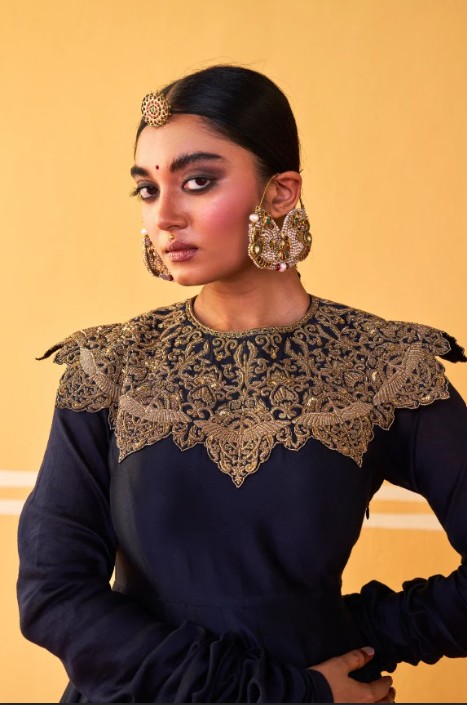
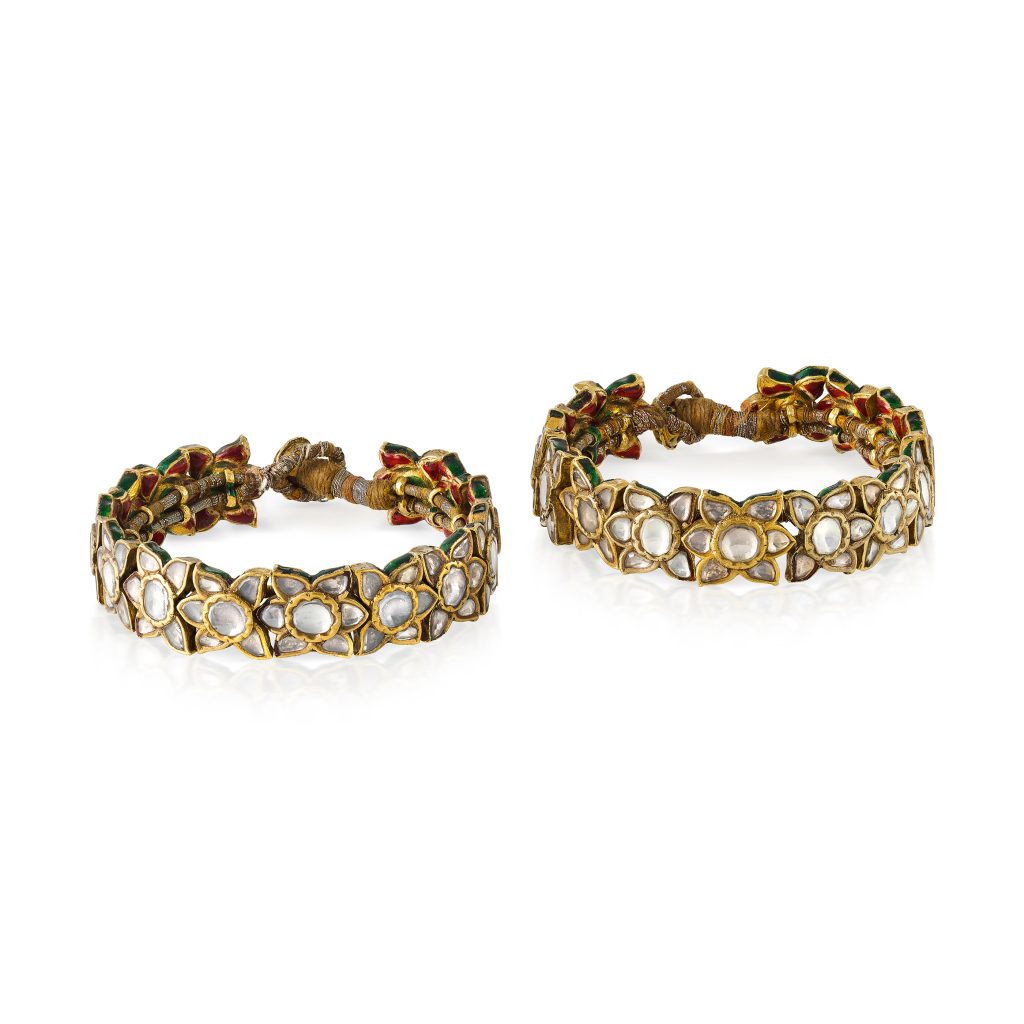
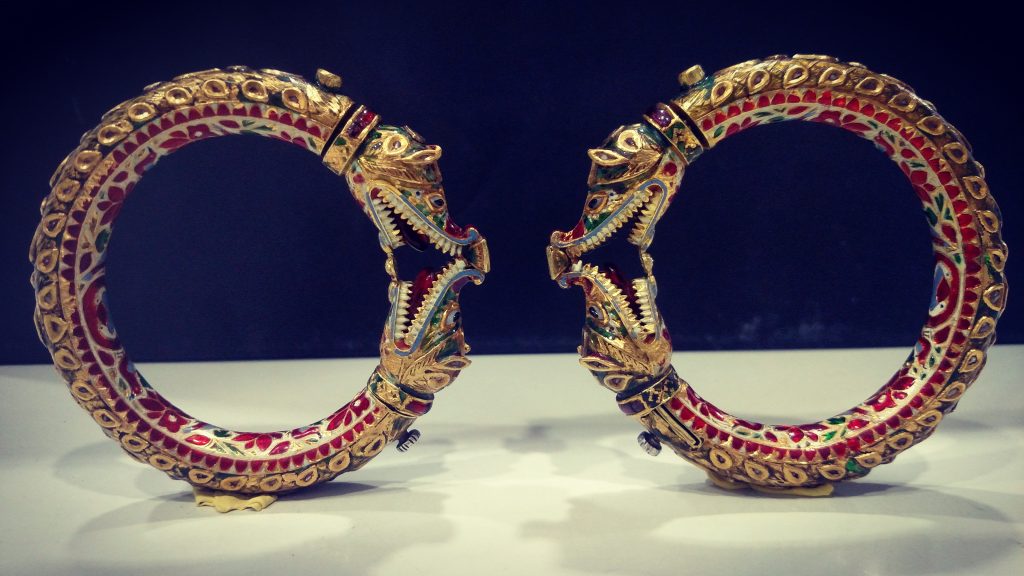
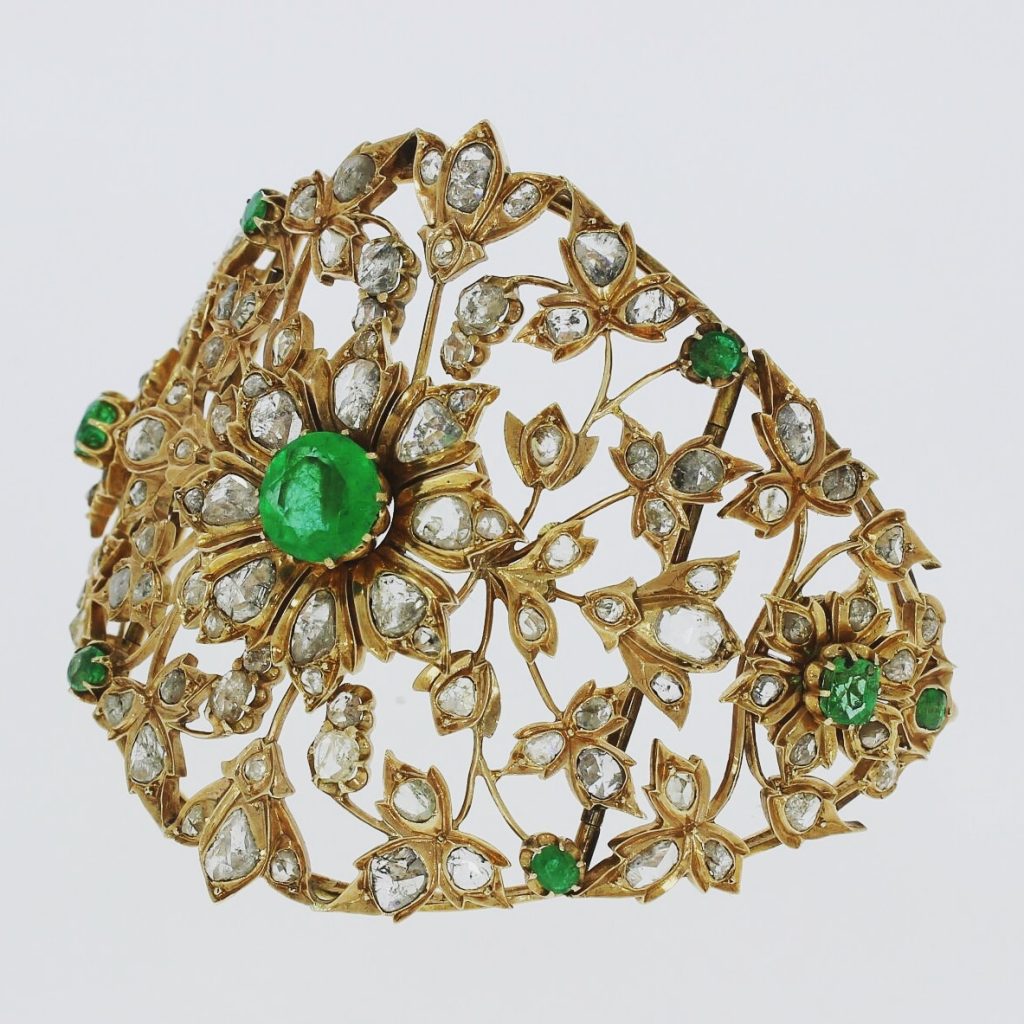
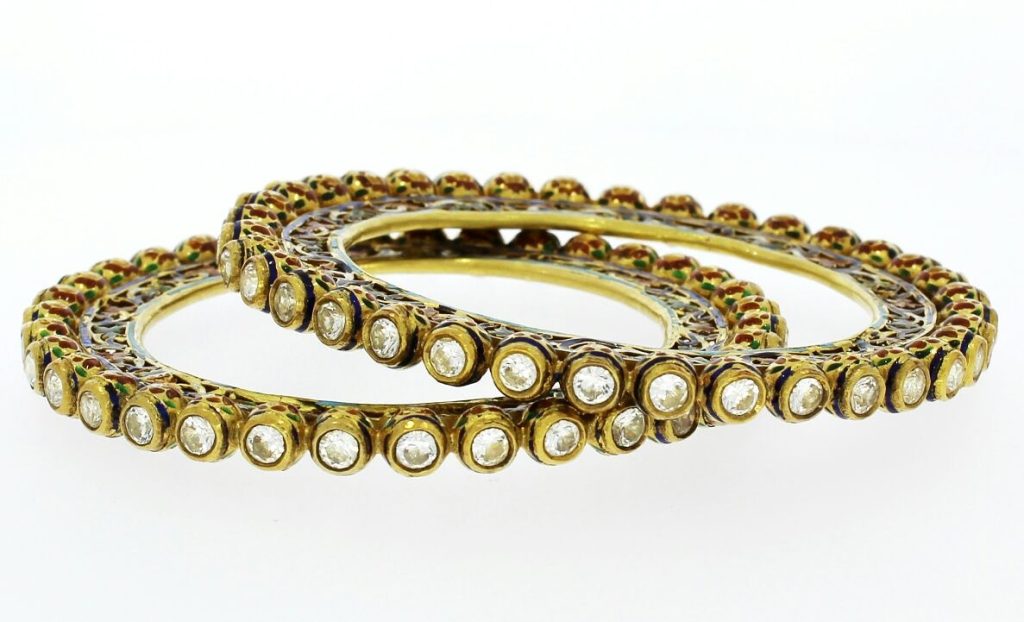
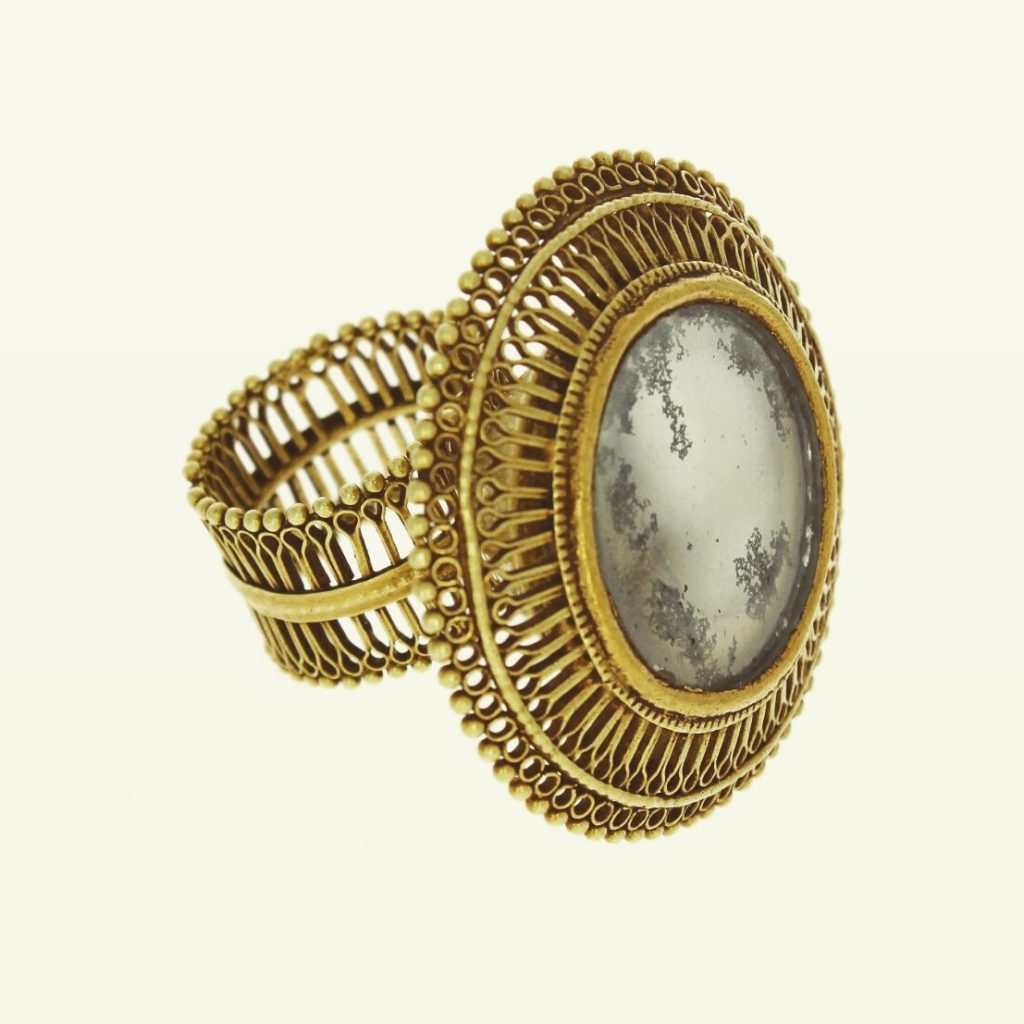
This is how I decide what to save and what can be redesigned. The first question is technical, not emotional: can this piece be made today in the same spirit and with the same quality? If the answer is yes, then the pricing can begin from material value and move upward based on making charges, craftsmanship, and gemstones used. But when the workmanship is of a level that would now require years of effort, specialised labour, or nearly lost enamelling and setting skills, then the value changes entirely. In such cases, the piece is no longer just an ornament. It becomes an object of heritage.
That is why expertise matters. A genuine old piece reveals itself through details: the wear on the stones, the abrasion patterns, the type of cut, the thickness of the gold sheet, the enamel quality, the setting style, the hinges, the construction logic. All of this has to be read almost forensically. Stones tell us stories. Tarnish tells us stories. Design tells us stories. That is how you distinguish an authentic period jewel from something that has merely been made to look old.
This becomes even more important at a time when regulation is reshaping the trade. Thankfully, as things stand, the BIS rules and mandatory HUID are not applicable to jadau and kundan jewellery. That is a major relief, because handcrafted jewellery of that era often carries different purities. Had jadau and kundan been brought fully under the same framework, a great deal of heritage jewellery would have been pushed toward melting.
But plain gold heritage jewellery is already suffering. Many jewellers do not want the risk of displaying older inherited pieces that may not fit neatly into present-day compliance expectations. As a result, perfectly valuable old ornaments are being melted down. That is a loss to the trade and to history. I feel very strongly that many kinds of antique and inherited jewellery should have a more thoughtful exemption or framework around them. We need a committee of knowledgeable people from heritage markets like Delhi, Jaipur, Hyderabad, Kolkata, Punjab and elsewhere to articulate this properly and push for a more balanced view. These are not ordinary manufactured products in focus, let us not forget that!
Auction houses cannot be the only reference point. Retailers alone cannot carry the burden of being judge and seller at the same time. There has to be a credible third-party lens. This is where the role of appraisal becomes crucial. India has long valued jewellery from a tax angle, which means the habit has been to reduce everything to conservative melting value. But today’s market needs a different approach, especially if we want trust, transparency, and better value realisation. This is why I see tremendous importance in professional appraisal frameworks such as NAJA, the National Association of Jewelry Appraisers, USA. I am one of the first Indians to have successfully obtained the NAJA appraisal certification, and that, to me, is not just a personal milestone. It fills a gap that our industry has ignored for too long. What I am building now is not just a service, but an ecosystem where technical testing, gemstone verification, and professional valuation come together.
I already run a lab, and we have integrated NAJA-based appraisal into this setup. That means a customer, a retailer, or even an insurance company can come to a single place to avail these services.
The significance of NAJA is not limited to antique jewellery. It applies to any product in the jewellery space, whether that is a heritage ornament, a coloured gemstone, a basra pearl, or a contemporary high-value jewel. When we evaluate a piece, it is not just about saying what it looks like. It is about understanding the gemstones, their quality, their origin, their condition, and most importantly, their value. This is especially relevant for coloured gemstones, where the gap in understanding is the highest. A certificate may say “natural emerald, Zambia,” but that does not explain whether the stone is worth Rs 20,000 or Rs 20 lakh. That difference is where real expertise comes in, and that is what we are trying to address through the lab.
Insurance is a key part of this shift. I have been in discussions with insurance companies to align on how jewellery should be valued. Today, most jewellery in India is either underinsured or incorrectly valued. Through a proper appraisal system, we can move toward insuring jewellery at true replacement value. This creates confidence for the customer and also opens up a more organised approach for the industry.
Insurance is a key part of this shift. I have been in discussions with insurance companies to align on how jewellery should be valued. Today, most jewellery in India is either underinsured or incorrectly valued. Through a proper appraisal system, we can move toward insuring jewellery at true replacement value. This creates confidence for the customer and also opens up a more organised approach for the industry.
*The opinions and statements expressed by the individuals featured belong to them
As told to Pratyasha K