




Positioned as ‘not fashion, not pret’, titanium has the potential to shift focus from sheer metal cost to design innovation and craftsmanship
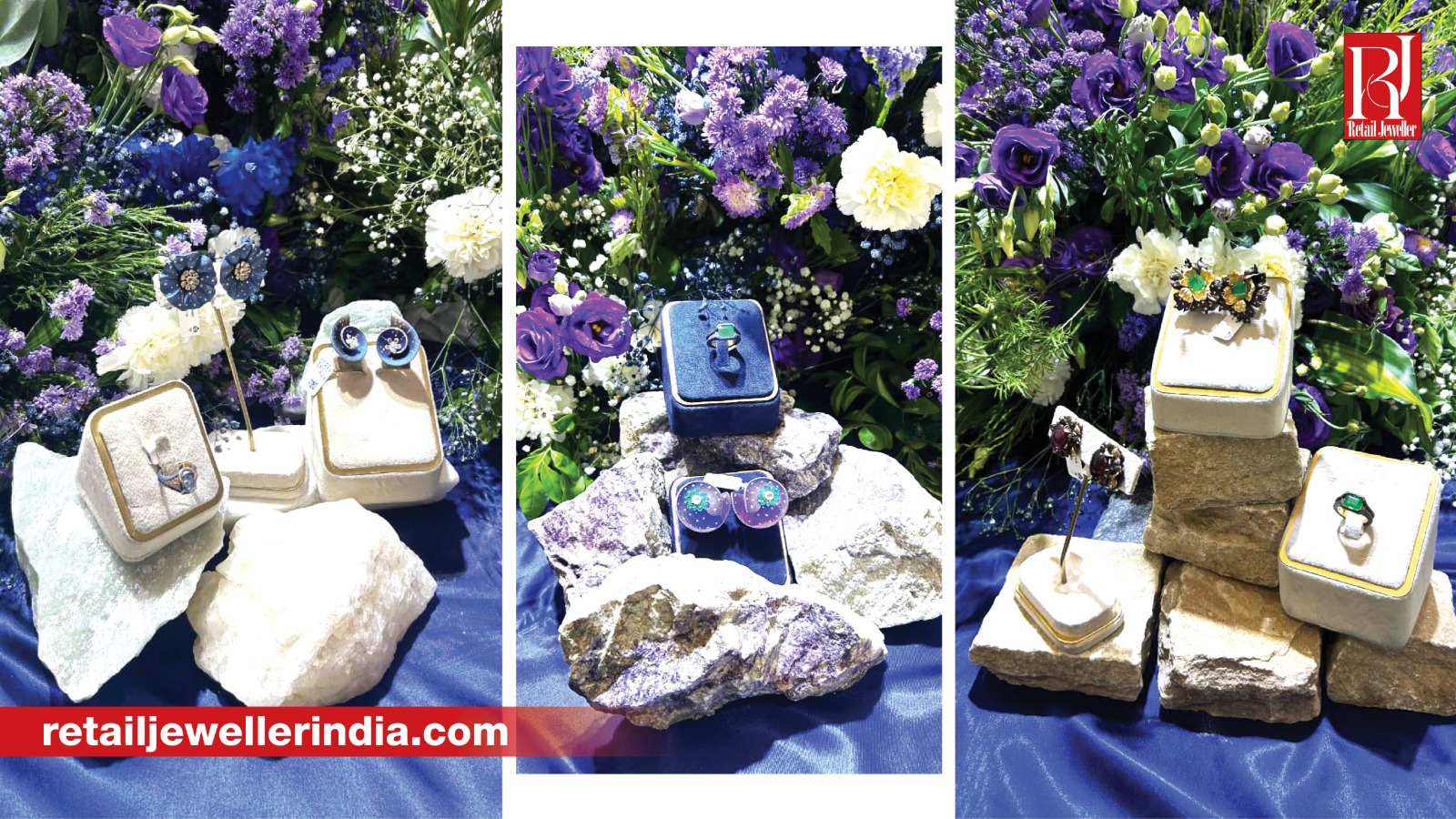
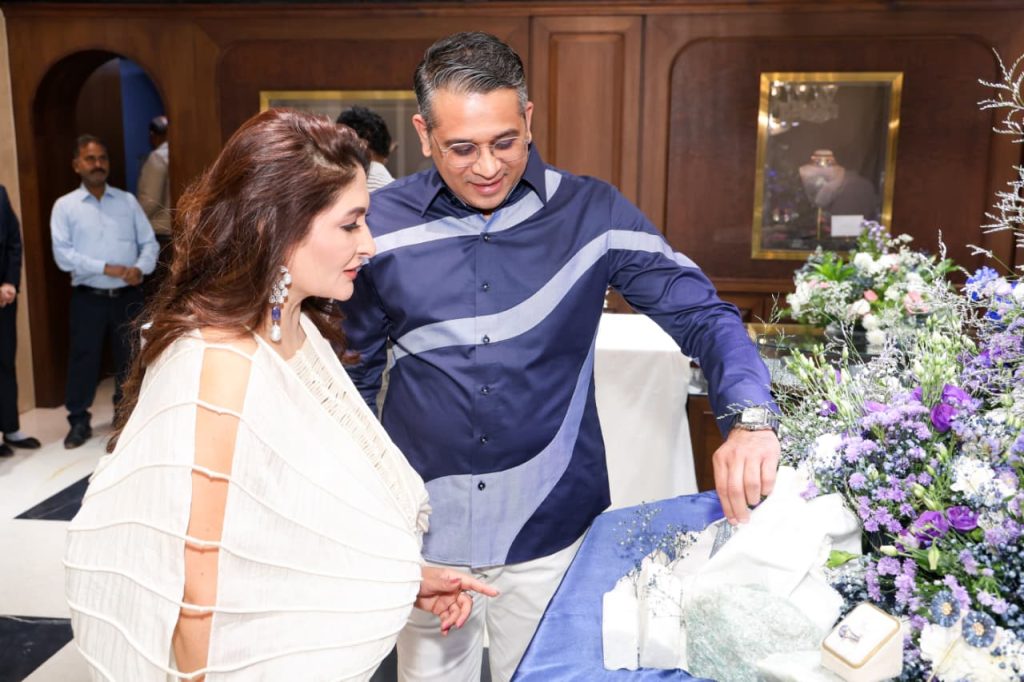
New Delhi: At ‘The Blue Hour’, an exclusive event hosted at ISVARI India’s flagship store recently, the luxury jewellery house introduced ‘Ti’, perhaps one of India’s first titanium jewellery lines. With this launch, ISVARI endeavours to bring titanium into the fine jewellery space alongside gold and diamonds, betting big on its artisanal craftsmanship and high-design creations.
Globally, titanium has steadily gained relevance across luxury jewellery and watch-making because of its lightweight structure, durability and sculptural flexibility. International brands including Tiffany & Co., Bvlgari, Glenn Spiro and several others have explored the material in high-design collections.
“Titanium is internationally recognized as the new gold and everybody is talking about titanium. All the international brands are looking out for it,” said Manik Jain, Creative Director and Partner, ISVARI India during the unveiling. “We cater to the luxury segment of society and titanium makes for fashionable heirloom jewellery, which fits naturally into that space.”
The timing of the launch is particularly significant. With gold prices currently hovering upwards of Rs 1.5 lakh per 10 grams in India, while titanium costs roughly Rs 2,000 per 10 grams, the economics of jewellery-buying are undergoing visible changes across retail. Larger statement pieces in gold are becoming increasingly difficult for consumers to justify, especially among younger luxury buyers seeking design, wearability, and visual impact without proportionately escalating metal costs. Titanium dramatically changes that equation, being substantially more affordable as a raw material while also being significantly lighter than gold. “You can do a much larger piece which weighs less and is more wearable compared to gold or silver,” Jain explained.
What this effectively creates is a new entry point into luxury jewellery consumption, one where design scale, innovation, craftsmanship and exclusivity become more central to value than gold weight alone.
Importantly, ISVARI is not treating titanium as a temporary capsule or experimental edit. The brand confirmed that the current launch marks only the beginning of a much larger titanium roadmap, with more dramatic and larger-format creations already planned.“This is just the beginning,” Jain said, hinting that future collections will push scale and technical complexity even further.
The debut collection itself already demonstrates the extent of technical ambition involved. The collection, titled ‘Celestial’, draws heavily from fluid swirls, cosmic movement, atmospheric gradients and sculptural forms. One of the show-stoppers from the line, a fabric-like titanium earring, reportedly took nearly five months to create. “This fabric kind of earring could only really be possible in titanium,” said Jain. “It has more than 3,300 diamonds studded into it with very fine quality craftsmanship.”
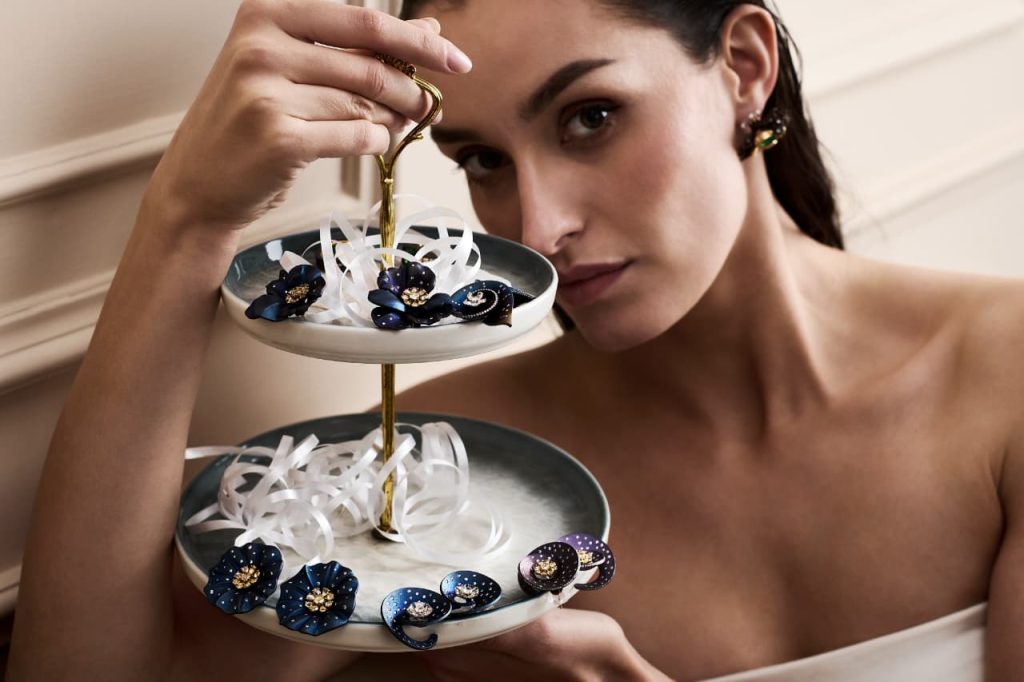
The collection also introduces one of titanium’s most visually distinctive characteristics to Indian jewellery consumers: its naturally generated colour spectrum. The metal reacts differently depending on temperature variations and oxidation levels, producing hues that appear embedded within the material itself rather than sitting on its surface.“These hues of blue are naturally created with heat,” Jain explained. “There are no paints, no enamels, no plating. The colour comes from the titanium itself through the process.”
The broader significance of the launch lies in what it signals for the Indian market.For a category historically dominated by gold, platinum and diamonds, titanium also introduces a new conversation around performance luxury. The metal is bio-compatible, highly resistant to corrosion, exceptionally durable and known for its strength-to-weight ratio.
Categories such as titanium create room for brands to build design-led luxury propositions without depending entirely on escalating gold consumption. Industry observers have already seen adjacent shifts through the rise of lightweight jewellery, 14KT and 18KT fine jewellery, coloured gemstones, silver premiumization and modular luxury categories.Titanium potentially pushes that evolution even further.
Rather than competing directly with traditional bridal gold jewellery, ISVARI appears to be creating a parallel luxury category, one built around couture aesthetics, engineering innovation, accessibility and collectability.For the Indian jewellery industry, where discussions around affordability and changing consumer priorities are becoming increasingly urgent, ISVARI’s titanium move may end up representing more than just a new collection launch, opening up an entirely new material category within luxury jewellery.
In many ways, titanium allows brands to redistribute value, and has the potential to shift focus from sheer metal cost to design innovation, craftsmanship and rarity.
ISVARI India operates a single flagship store in Defence Colony, New Delhi, with a focus on large diamonds, polki and coloured gemstones.
Written by Pratyasha K
Retail Jeweller India Exclusive