


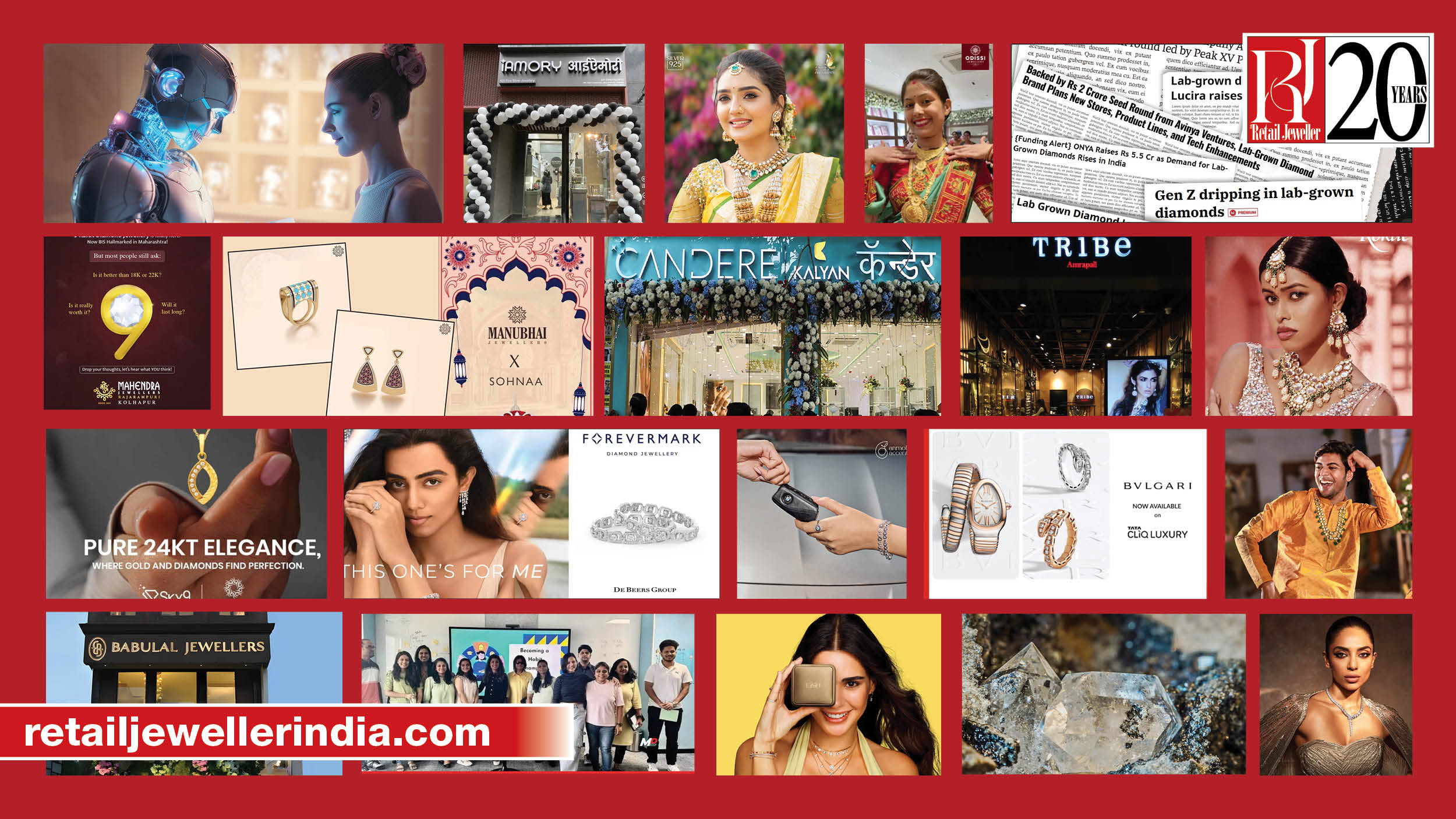

2025 didn’t give the jewellery industry one big story; it gave it a stack of them. AI moved from buzzword to balance-sheet impact. Silver stopped being the “other” metal and started behaving like a serious wealth and bridal category. Diamonds quietly became the growth engine inside gold-led businesses, even as lab-grown brands raised real money for real scale. Franchise models, recruiter brands, IPOs and Tier 2–3 expansion all pointed in the same direction: jewellers are formalising, specialising and thinking long-term. What 2025 really did was set the direction. These shifts are only gathering speed. They’re the beginning of how India’s jewellery industry will shape its product, strategy and growth through 2026. by Maithili Patange
1.Indian jewellers finally turned AI into measurable business impact
Here’s the thing: 2025 was the first time Indian jewellers saw AI deliver hard, defensible gains rather than soft experimentation. Nowhere was this clearer than in supply chain and inventory. McKinsey notes that early adopters of AI-enabled supply chain management achieved a 15 percent reduction in logistics costs, a 35 percent drop in inventory levels, and a 65 percent rise in service levels. Jewellery retail may not be as high-volume as FMCG, but the impact is even sharper because slow-moving gold and diamond inventory traps working capital. More retailers leaned on AI-driven demand forecasting to cut dead stock and increase rotations, with ERP partners reporting marked improvements.
India’s wider retail supply chain issues only pushed this shift further. Deloitte’s recent analysis highlighted how supplier delivery performance has worsened post-disruptions, underscoring the need for resilient, predictive systems rather than manual buffers. Jewellers took that cue. AI-based replenishment tools and automated vendor scorecards started replacing intuition-heavy buying cycles, especially in Tier II and III markets where delays pinch the hardest.
The results speak volumes: according to Single Grain report, companies deploying AI-powered marketing solutions achieve an average 37% reduction in customer acquisition cost compared to those relying on traditional tactics alone.
The marketing side moved even faster. Regional retailers used AI tools to build hyper-local creative versions, automate reel scripting, and personalise ad sets for micro-audiences. The results speak volumes: according to Single Grain report, companies deploying AI-powered marketing solutions achieve an average 37% reduction in customer acquisition cost compared to those relying on traditional tactics alone. AI-enabled product tagging and automated cataloguing also improved product discovery on Instagram and marketplaces.
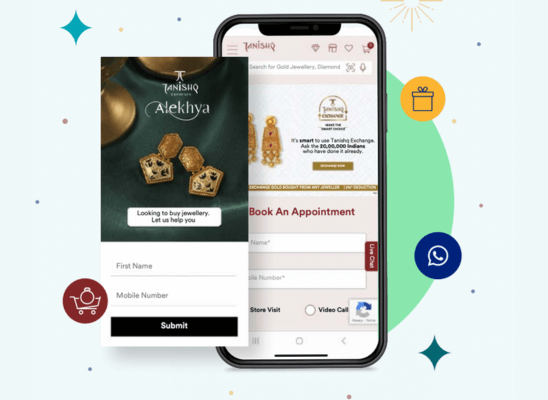
Customer experience saw its own reset. AI-powered virtual try-on, already common in diamonds and solitaires, expanded to everyday gold and bridal categories. Footfall conversion improved for retailers integrating virtual try-on into WhatsApp commerce funnels.
By year-end, the trend was clear. Jewellers who embedded AI deeper into workflows gained speed, saved real costs, and marketed with far higher precision—marking the shift from experimentation to competitive advantage.

2. New jewellery businesses enter the market as gold, silver and diamonds show exceptional strength
The steady rise of new jewellery brands launching physical businesses in 2025 reflects something deeper than entrepreneurial enthusiasm. It signals confidence in an industry that has outperformed most consumer categories for two consecutive years. Gold prices hit repeated record highs through 2024 and early 2025 — driven by geopolitical uncertainty and strong central-bank buying. According to the World Gold Council, Q1 2025 gold demand reached 1,206 tonnes, the strongest first quarter since 2016, setting a high base for the year. By Q3 2025, global demand climbed ~3 percent year-on-year to 1,313 tonnes, led by renewed investment demand.
The surge of new jewellery brands opening physical stores in 2025 shows rising confidence in a category outperforming most consumer sectors for two strong, uninterrupted years.
Silver is showing an even more dramatic shift. The sharp price differential between gold and silver has pushed Indian buyers toward silver as an accessible investment and gifting option. India imported 410.8 tonnes of silver worth $451.6 million in August 2024 alone, compared to 3,475 tonnes for the entire year of 2023, signalling a steep surge in demand.
At the same time, the Natural Diamond Council notes that India’s natural diamond jewellery demand remains one of the most stable globally, with branded diamond jewellery continuing to grow.
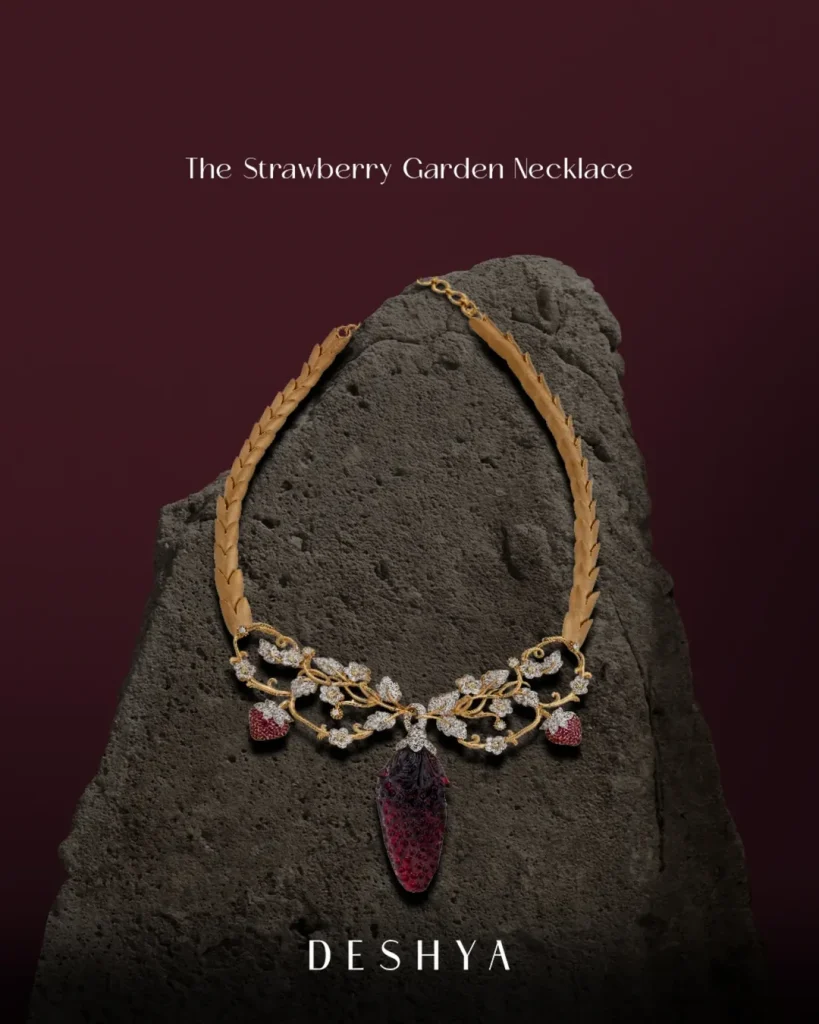
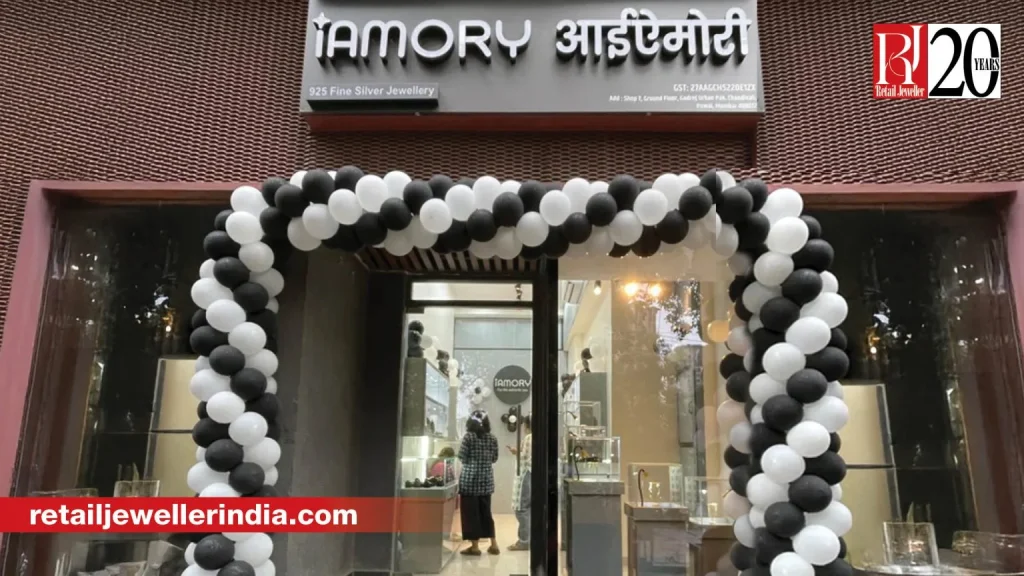
Against this backdrop, it’s no surprise that new players are entering. The launch of standalone retail brand in India, boutique gemstone houses like Deshya, and silver–LGD entrants like iAMORY, expanding brands like Indriya and Kumari Fine Jewellery reflect a wider movement: newcomers see jewellery not just as a cultural staple but as a high-margin, low-obsolescence, wealth-preserving business with predictable long-term returns. When an industry offers both emotional and financial value, new physical businesses will follow — and 2025 captured exactly that momentum.
3. Silver steps into a gold-like role across investment, retail and bridal
Silver didn’t just grow in 2025 — it crossed into gold territory. The metal now behaves like a full-fledged precious category across investment products, retail formats, and bridal jewellery, reshaping how Indians approach value and design.
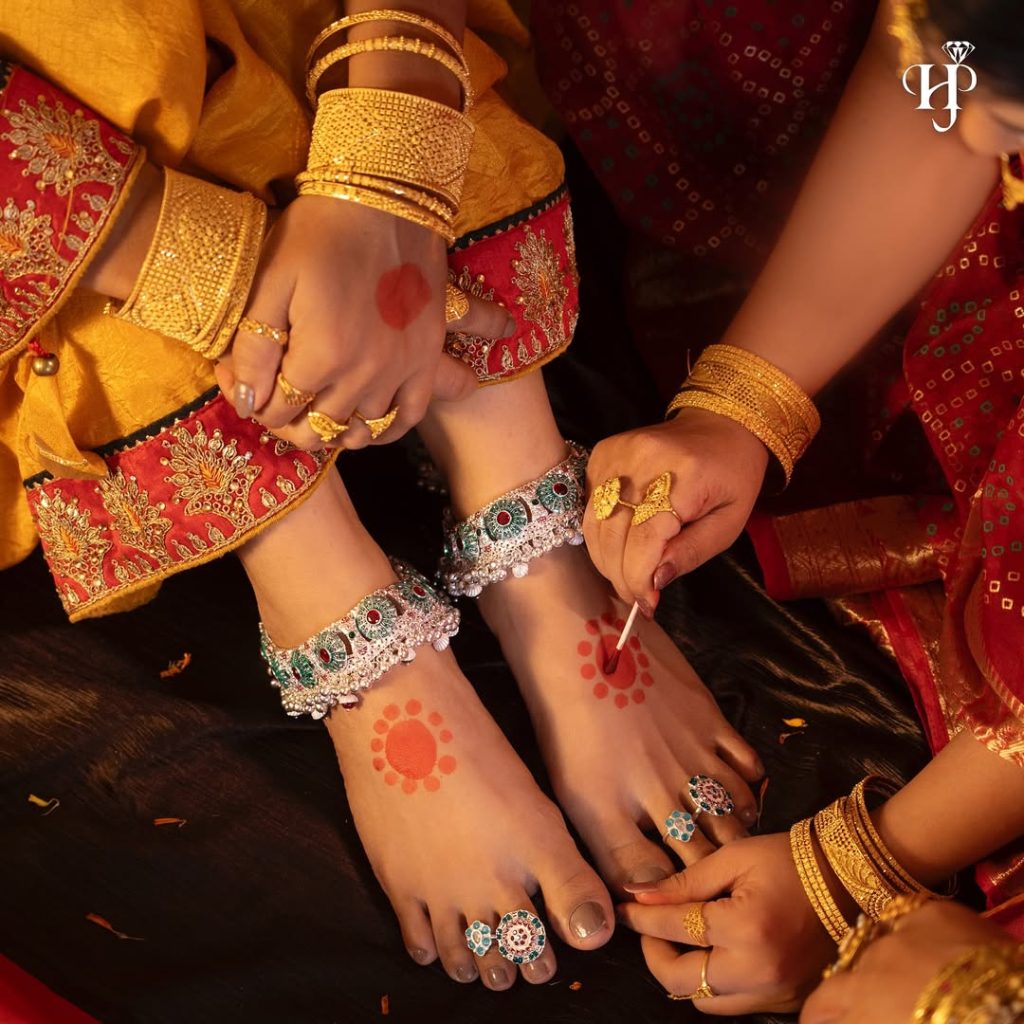
The investment shift came first. As gold moved beyond affordability for many buyers, silver became the practical alternative. India’s silver imports — 410.8 tonnes in August 2024 alone, against 3,475 tonnes in all of 2023 — tell the story. Jewellers responded by building gold-style systems around it. At Hira Panna Jewellers, the Silver SIP mirrors traditional gold formats: a seven-plus-one plan, pure metal-weight exchange, live test-melt-rate checks, and transparent making charges. Once silver gained this clarity and structure, customers began treating it with long-term seriousness.
Silver now behaves like a full-fledged precious category across investment products, retail formats, and bridal jewellery, reshaping how Indians approach value and design.
Next came retail behaviour. For the first time, jewellers began opening full-scale silver stores rather than counters. Jodhamal Jewellers in Meerut made the strongest statement by launching a 10,000 sq. ft standalone silver store — a format usually reserved for gold-heavy businesses. It signalled confidence in silver as a category with better rotation, lower risk, and wider accessibility.
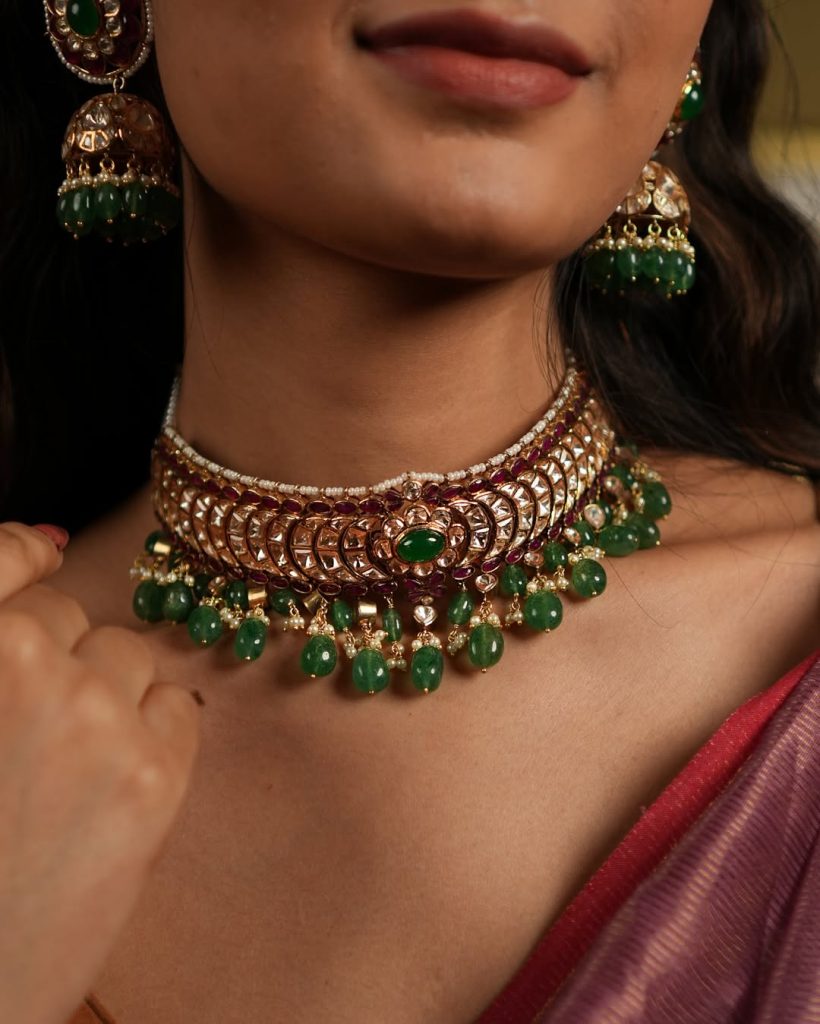
But the most powerful shift was bridal. Weddings now stretch across multiple looks and multiple events, and brides needed options that gold’s pricing simply couldn’t support. Silver filled that gap decisively. Divas Mantra now derives 90% of its business from bridal silver and has grown 25% year-on-year since 2018, with 70–80% of brides returning for additional functions. Amruttam built an entire niche around silver polki bridal sets, offering the visual heft of gold-polki without the financial weight. BCOS its Silver in Bengaluru — evolving from a home-grown venture to a dedicated showroom — shows how curated silver boutiques are becoming reliable bridal destinations.
Put it together and the pattern is clear: silver has stepped into a gold-like role — investment-ready, format-worthy and fully embraced by India’s modern bride.
4. Jewellery stores turn into cultural spaces as retailers chase experiences, not just sales
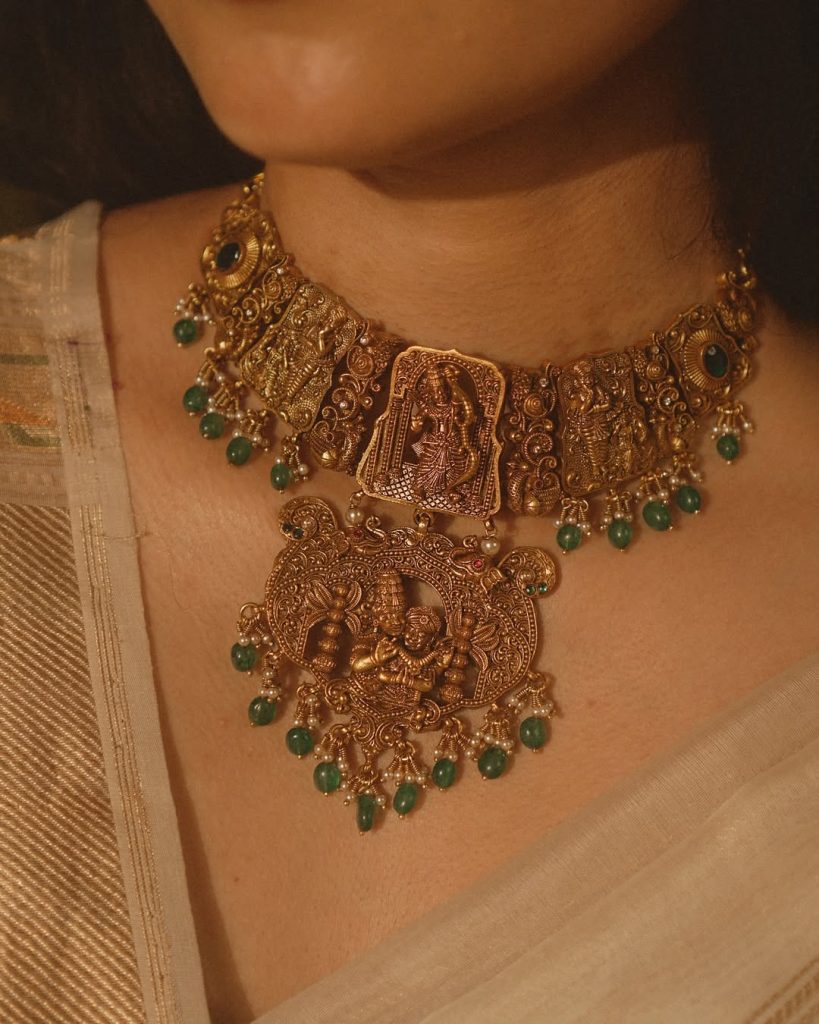
A noticeable shift this year has been the way jewellery stores are rethinking their physical layouts. Retailers aren’t just adding lounges or redesigning showcases — they’re carving out dedicated, purpose-built spaces inside their stores for experiences that have nothing to do with buying jewellery. These zones are becoming the industry’s version of a “third space” — a place where customers can gather, learn, unwind or participate, without feeling the pressure to shop.
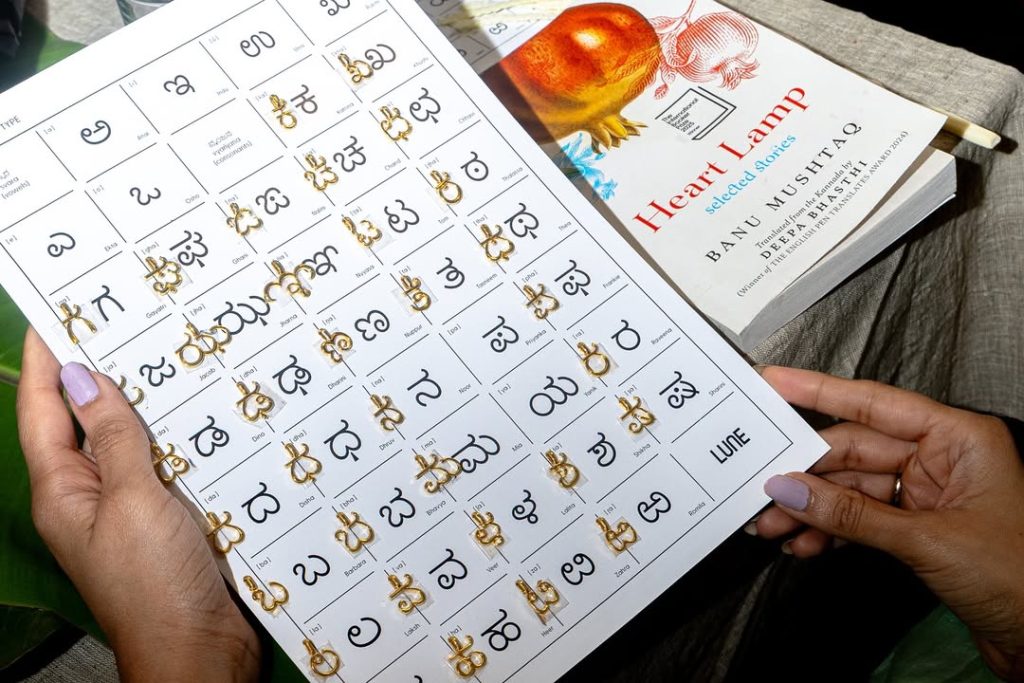
You see this clearly at Shop Lune, where the store architecture intentionally includes an open community zone. It’s designed for book readings, creative meet-ups, small workshops and cultural conversations. The space doesn’t feel like an extension of retail; it feels like a living room for the brand’s community. The jewellery counters support the mood — not the other way around.
Odissi Jewellery in Balangir follows a similar logic. Their new showroom includes a flexible area specifically meant for customer-led activities. That’s what made the recent ramp walk possible: customers modelling jewellery, playing games and engaging in a social setting that the store’s design already anticipates. It wasn’t an improvised event; the space was built to host it.
These zones are becoming the industry’s version of a “third space” — a place where customers can gather, learn, unwind or participate, without feeling the pressure to shop.
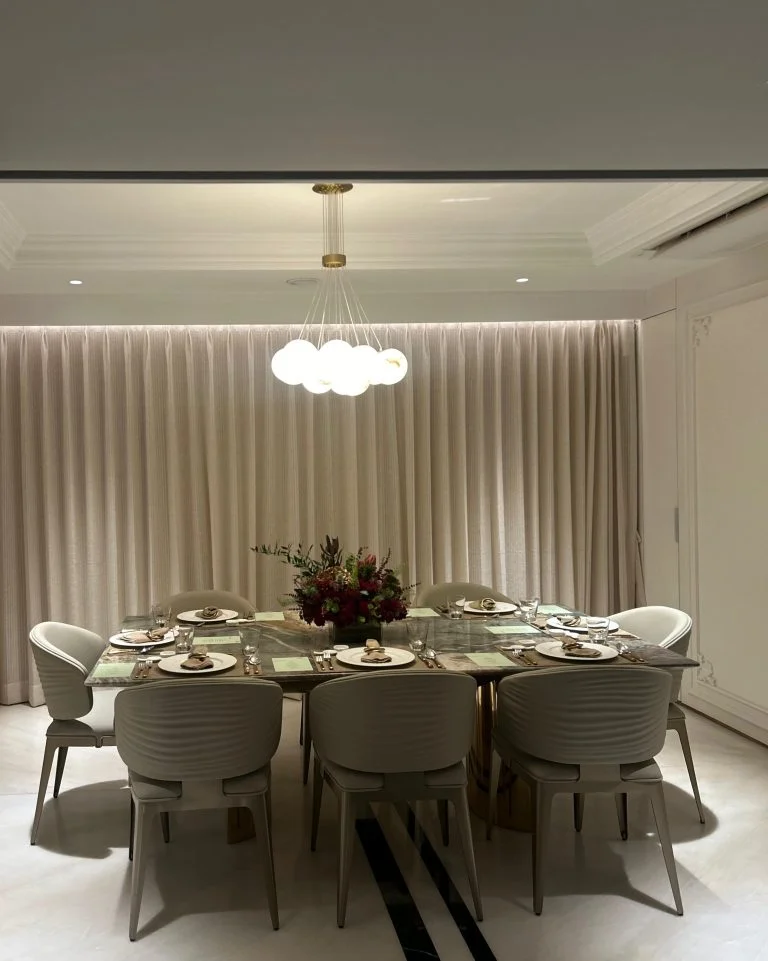
At the luxury end, The House of Rose in Mumbai has taken this to an entirely different level. The flagship dedicates entire floors to experience — a gem lab where visitors can examine stones, a private dining room, an ideation lounge for design sessions, and an outdoor art installation zone that functions like a rotating museum. These are not selling spaces; they’re engagement spaces, deliberately separated from transactional zones.
And then there’s The Lillys — an in-house bakery café opened on the second floor of T.T. Devassy’s store. It turns a jewellery visit into a leisurely outing. Customers can enjoy coffee, conversations and downtime before or after viewing collections.
Across formats and price points, the message is the same: jewellery stores are no longer just retail environments. They’re becoming places where people spend time, participate in culture, and build relationships. And the brands investing in such dedicated experiential spaces now are quietly shaping what the future of jewellery retail will feel like.

5. Investment confidence pushes India’s lab-grown diamond brands into their scale-up era
If there’s one signal that lab-grown diamonds aren’t a passing wave, it’s the capital flowing into the category. 2025 has turned into a breakout funding year for LGD brands in India. Nine pure-play startups together raised a record $26.4 million, a sharp jump from the $4.7 million raised last year, according to Tracxn. Investors aren’t just betting on cheaper diamonds; they’re betting on a new vertical of fine jewellery that’s building long-term staying power.
Nine pure-play startups together raised a record $26.4 million in 2025, a sharp jump from the $4.7 million raised last year.
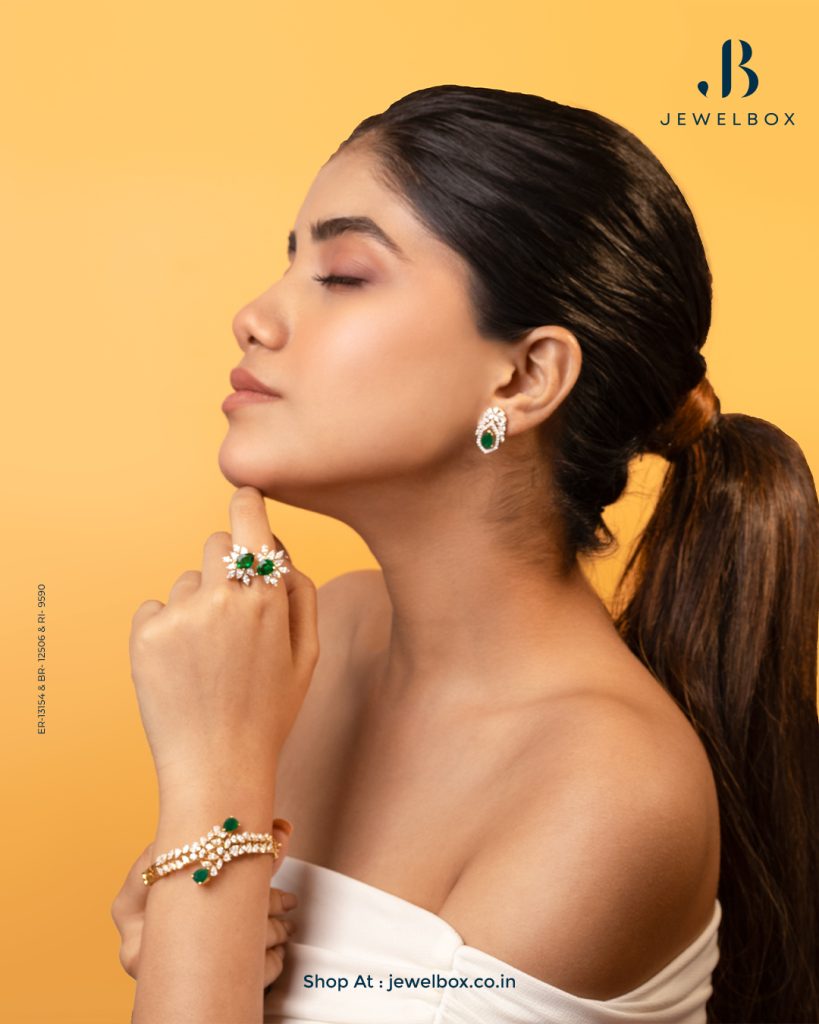
Aukera, which raised $15 million led by Peak XV Partners, is positioning itself as a premium LGD house with serious design and manufacturing muscle. Onya, backed by Rs. 5.5 crore in a pre-seed round, is leaning into everyday luxury and community-led retail. Jewelbox, another rising name, is using capital of $3.2 million in a Pre-Series A round to widen its omnichannel footprint and capture the mid-ticket gifting and daily-wear market.
This funding surge is happening against a strong market backdrop. India’s LGD jewellery segment—valued at $300–350 million in 2024—is projected to grow at 15% CAGR over the next decade (Redseer). Millennials and Gen Z are driving this demand, choosing LGD for its design freedom, “bigger look” for the price, and growing social acceptance. What began as an occasional purchase category has now expanded into engagement rings, bridal alternatives and everyday wear.
The money pouring in signals something simple: investors now believe LGD brands are here for the long haul, and they’re about to scale like real jewellery businesses.
6. Franchising finds real footing in Indian jewellery as expansion models shift
If 2025 revealed one quiet but meaningful structural change in Indian jewellery retail, it is the industry’s growing comfort with franchising. The last two years have moved the conversation to serious exploration. The reasons are straightforward. Gold prices continue to climb, real-estate costs remain high, and Tier II–III demand is expanding faster than large chains can self-fund.
The clearest indicator of this shift is the behaviour of organised players. Kalyan Jewellers, for example, has been actively building its franchise-driven sub-brand Candere Lounge and quietly testing franchise formats within its network to accelerate presence in smaller cities. What’s interesting is that even at the regional level, jewellers are far more open to franchise-led scaling to leverage their equity in the regional markets. Strong regional brands such as Raghuram Jewellers (Hyderabad), Dillano Jewels (Delhi) and Tibarumal Jewellers (Hyderabad) are now exploring or actively executing franchise rollouts to leverage decades of built-in equity within their home markets.
What this signals is a cultural shift. Jewellery’s historic resistance to franchising wasn’t about viability but mindset. As consumer trust moves towards branded retail and digital discovery strengthens brand recall, franchising is finally becoming both acceptable and attractive. 2025 may not be the year franchising explodes, but it is certainly the year it becomes a legitimate growth model for Indian jewellery.
7. Designer–retailer collaborations take off as jewellers chase freshness and built-in marketing power
A defining shift in 2025 has been the rise of designer–retailer collaborations moving from one-off experiments to sustained business models. Retailers, especially those in Tier I and II markets, are realising that younger consumers want sharper aesthetics, clearer storytelling and faster design cycles than traditional in-house teams can deliver. Designers, meanwhile, see retail counters as the only scalable way to gain trust, legitimacy and physical presence without opening stores.
Sohnaa founder Sonali Shah Sheth is a strong example of how this model works today. Her brand now partners with KK Jewellers, Ranka Jewellers, Varuna D Jani, and Veerchand Govindji, with 30–40 percent of her revenue now coming through these shop-in-shop counters. Designers don’t just bring curated collections — they bring their own marketing ecosystem. Designers handle campaign creation, social media storytelling, new-design drops, and even lead generation for the retailer. Now it comes packaged with the designer partnership itself.
What’s emerging is a hybrid model where designers gain distribution and trust, and retailers gain freshness, narrative and constant newness. In 2025, collaboration has quietly shifted from a creative experiment to a mutual growth strategy in Indian jewellery retail.
Highlight: Designers handle campaign creation, social media storytelling, new-design drops, and even lead generation for the retailer. Now it comes packaged with the designer partnership itself.
8. Airport retail becomes a strategic brand lever rather than a side channel
In 2025, airport retail moved from being a novelty to a serious expansion strategy for Indian jewellery brands. With India crossing 154 million domestic flyers in 2024 and international traffic projected to touch 85 million in 2025 (MoCA & AAI data), airports have become high-intent, high-velocity retail ecosystems. Jewellers now view terminals as strategic touchpoints where aspiration, time-pressure and emotional decision-making converge—conditions that favour curated, lightweight, impulse-friendly jewellery.
Brands across tiers have leaned in. Tribe by Amrapali, Rokde Jewellers and S. L. Shet Diamond House represent three distinct motivations behind the trend: aspirational visibility, brand repositioning and targeted expansion. Tribe’s airport stores now outperform some high-street formats in sales per square foot, driven by lightweight silver and culturally expressive pieces that appeal to NRIs and international travellers. Rokde used its Nagpur airport store to shift from a strong regional identity to a national one, reporting 60–70 daily walk-ins and a measurable rise in outstation customers visiting its main store later. S. L. Shet Diamond House treats the airport as a lead-generation hub, using a tight SKU mix under Rs. 1 lakh and leveraging airport campaigns by Adani Group to amplify recall.
The operational complexity—ranging from multi-agency clearances to high compliance staffing—has not deterred growth. In fact, the willingness to navigate these challenges shows an industry-wide shift that airports are now viewed as brand runways, not auxiliary counters. For jewellery brands, an airport presence signals ambition, mobility and national relevance, making it one of the year’s most defining retail trends.
Highlight: Airports have become high-intent, high-velocity retail ecosystems. Jewellers now view terminals as strategic touchpoints where aspiration, time-pressure and emotional decision-making converge.
9. Jewellery IPO momentum signals a capital shift that will ultimately strengthen retail
One of the most defining developments in the jewellery industry this year is the sheer volume of companies preparing to tap India’s public markets. With at least ten firms lining up IPOs over the next few months (ET, Mint), jewellery is now one of the rare consumer sectors showing enough resilience — and enough investor confidence — to sustain a strong IPO pipeline in a soft consumption environment.
What stands out in 2025 is the growing presence of regional retailers in the IPO conversation. PNGS Reva Diamond Jewellery (Pune) and Rokde Jewellers (Nagpur), Lalithaa Jewellery Mart (Chennai) and Waman Hari Pethe (Maharashtra/Goa) have begun the process of preparing for listings despite being single-state or limited-state players.
Adding to this trend is Khandelwal Jewellers, a Tier-2 retailer that has announced plans to pursue an IPO by 2028. The message is clear: a national footprint is no longer a prerequisite for listing. Organised retail, rising disposable incomes in non-metro India and stronger brand identity within regional clusters have created the conditions for smaller chains to scale through public capital rather than debt.
Running parallel to the retail listings is a powerful wave of manufacturer IPOs — and this is where the scale truly stands out. Companies including, Priority Jewels, Shankesh Jewellers, Swarnshilp Chains & Jewellers, Royal Chains are preparing DRHPs or have filed with SEBI. Most of these planned raises fall between Rs 1,000 crore and Rs 5,000 crore, indicating aggressive investment in machinery, advanced design, automated production, and technology-led gold management.
2025’s IPO momentum marks the structural formalisation of a category historically dependent on internal capital. Retailers want scale; manufacturers want capacity. Public markets are finally becoming the bridge between the two.
Highlight: With at least ten firms lining up IPOs over the next few months, jewellery is now one of the rare consumer sectors showing enough resilience — and enough investor confidence.
10. 9kt gold gains mainstream legitimacy as jewellers reposition affordability in a high-price market
Indian jewellery buyers didn’t set out to change the rules in 2025 — rising gold prices simply forced them to. As shoppers began drifting toward lighter, design-first pieces, jewellers realised that people still wanted gold, just not at 22k prices. That shift in mindset is what pushed 9k gold from a niche experiment into one of the year’s fastest-rising categories.
The momentum sharpened once the Bureau of Indian Standards (BIS) formally brought 9kt under mandatory hallmarking in July 2025. With regulatory clarity in place, jewellers suddenly had room to innovate. And consumers responded immediately.
At Mahendra Jewellers in Kolhapur, a teaser campaign built around 9k jewellery led to a 10 percent jump in diamond jewellery sales during Navratri, with customers walking in specifically asking for 9k. Many purchased on the spot once they realised they could get the same diamond look at nearly half the gold rate of 18kt — a compelling value story in a year when prices climbed from Rs. 96,000 to over Rs. 1,22,000 per 10 grams.
Manufacturers and large retailers moved quickly to capture the opportunity. Sky Gold’s collaboration with Senco Gold & Diamonds, CaratLane’s 9kt assortment starting at Rs. 3,999, and Mia by Tanishq’s 9kt trials in select markets (including Instamart pilots) show how aggressively the industry is building this price band for Gen-Z and young professionals.
For jewellers, 9kt has simply opened a practical new price band — one that keeps customers engaged without forcing them to step away from gold altogether. It keeps gold relevant for everyday luxury, protects diamond jewellery sales from price fatigue, and brings younger buyers into the fold without diluting trust or purity standards.
Highlight: For jewellers, 9kt has simply opened a practical new price band — one that keeps customers engaged without forcing them to step away from gold altogether.
11. 24K gold enters the spotlight as purity-led buyers reshape the premium gold market
One of 2025’s quieter but significant shifts has been the renewed pull toward pure 24K gold. What’s notable is that this movement is being shaped not by retailers first, but by manufacturers, who are responding to a sharp uptick in retailer inquiries and consumer interest for high-purity, high-value pieces. As gold prices crossed Rs. 1,30,420 per 10g, (as of 8th December 2025) many buyers with a savings-first mindset began gravitating toward jewellery that maximises intrinsic value — even if it’s not meant for everyday wear.
This is why 2025 saw manufacturers step forward with dedicated 24K collections. Shringar House of Mangalsutra introduced 24K SHUDDH, a BIS-hallmarked pure-gold mangalsutra line built around cultural symbolism and purity. At GJS 2025, Sky Gold & Diamonds showcased “India’s first 24K diamond jewellery,” signalling that pure-gold formats are moving beyond coins and chains into design-driven categories. Royal Chains Pvt Ltd also unveiled 24K chains this year, positioning them as purity-first luxury accessories. Kalyan Jewellers too quietly added a “24 Carat Gold” section to its online store, indicating clear consumer demand.
For manufacturers, the pivot into 24K has been market-led. Retailers have been requesting purer formats, especially for mangalsutras, chains, and symbolic gifting pieces, as customers increasingly ask for “full value” gold. The purity narrative — coupled with the trust that comes with BIS hallmarking of 24K — is driving the segment’s rise.
In 2025, 24K jewellery has evolved from a niche curiosity into a purity-driven premium category, with manufacturers leading the innovation and retailers preparing to capitalise on the demand.
Highlight: For manufacturers, the pivot into 24K has been market-led. Retailers have been requesting purer formats, especially for mangalsutras, chains, and symbolic gifting pieces, as customers increasingly ask for ‘full value’ gold.
12. Branded diamonds get a structural push as Forevermark steps into retail
Branded diamonds have never been a mass-market proposition in India, and they likely never will be. The model is inherently difficult to replicate, built on scale, sourcing control, and decades of global equity that very few players can match. That reality hasn’t changed in 2025. What has changed is the structure of the branded diamond category itself.
The real shift this year is Forevermark’s decision to move decisively into consumer-facing retail. By repositioning itself from a largely B2B certification-led presence to a full-fledged branded retail business, De Beers is giving the branded diamond segment a scale push it has never had before. With plans to open up to 100 Forevermark stores by 2030, the brand is no longer just supporting the category from the sidelines — it is actively expanding the branded diamond retail footprint across India.
This matters because branded diamonds don’t grow through imitation; they grow through visibility, education, and sustained consumer exposure. Forevermark’s retail foray is expected to do exactly that — bring consistency to storytelling around provenance, grading, and long-term value, while familiarising a wider set of Indian consumers with what a branded diamond proposition actually looks like.
India is already one of Forevermark’s top global markets, and diamond jewellery demand is growing at a healthy pace. By rooting design, manufacturing and retail execution within India, the brand is targeting a clear gap in the mid-premium space — consumers who want reassurance, clarity and brand-backed credibility, but are not necessarily shopping at the ultra-luxury end. For the wider industry, the takeaway isn’t replication. It’s momentum. Forevermark’s expansion is likely to lift awareness, confidence and acceptance of branded diamond jewellery as a category — giving it a stronger, more visible presence in the Indian market than it has ever had before.
In 2025, branded diamonds didn’t become mainstream. But they did get their strongest structural boost yet.
Highlight: Forevermark’s retail foray is expected to bring consistency to storytelling around provenance, grading, and long-term value, while familiarising a wider set of Indian consumers with what a branded diamond proposition loactually looks like.
13. Recruiter brands emerge as jewellers build early entry points for the next generation
Every jewellery business knows this; the first piece a woman buys for herself often determines where she returns for the next ten years. That insight is what has pushed recruiter brands into the spotlight in 2025. A recruiter brand is essentially a sub-brand built to attract younger shoppers early with accessible price points, lighter karats, and trend-led design—so that they gradually transition into the parent brand’s core gold and diamond categories as their income and life stage evolve.
Mia by Tanishq has been the most vocal about this role, positioning itself as the on-ramp for first-time buyers. But this year, more legacy houses realised that their main stores were too formal, too expensive, or too wedding-coded for a generation that treats jewellery as fashion. So they built separate brands to solve it.
Litestyle by PNG is one of the strongest examples. Created for the 25–40 urban woman who wants fine jewellery she can wear to work, brunch, travel, and micro-celebrations, Litestyle operates like an independent brand—with its own stores, price bands, and design language. PNG plans 12 standalone outlets in FY 2025–26 and 100 stores by 2030, signalling how serious the recruiter model has become.
Anmol Jewellers approached the problem emotionally. Their sub-brand Anmol Accents responds to women who want luxury that fits their daily life—not a piece reserved for weddings. Priced under Rs. 5 lakh with many options below Rs. 2 lakh, Accents helps the brand stay relevant to next-gen buyers who weren’t walking into the flagship store at all.
Silver turned out to be the best bet for jewellers if they want to start a recruiter brand. CMR Group launched Padmam in Kakinada—a silver and gold-plated silver sub-brand aimed at women who want the look and scale of gold, without the price of it. With expansions into Vizag and Eluru already planned, Padmam shows how regional powerhouses are treating silver-led brands as a serious growth engine.
Recruiter brands are not experiments. They are becoming the jewellery industry’s most strategic tool for shaping long-term customer value—one affordable, design-forward first purchase at a time.
Highlight: By offering lighter, trend-forward jewellery at approachable prices, recruiter brands secure the customer’s first purchase—often the moment that defines a decade of loyalty.
14. Luxury prêt jewellery steps onto marketplaces as designers chase digital gravity
The luxury jewellery world spent years treating marketplaces as a step too casual, too broad, too risky for brand identity. Yet 2025 pushed that line. When Sabyasachi placed a tightly edited selection of jewellery on Tata Cliq Luxury, it signalled something bigger than a distribution experiment: designers now recognise that their next wave of customers is discovering luxury online long before they walk into a flagship store.
Tata Cliq Luxury offers the kind of controlled, high-trust space that jewellery brands need — verified listings, strict curation, and a browsing environment that feels closer to a gallery than a marketplace. That’s what makes the shift meaningful. It isn’t mass access; it’s selective visibility.
For buyers, this solves a long-standing gap. Many admire luxury jewellery from afar but aren’t ready for boutique interactions. A digital window gives them room to explore, compare, and understand design language at their own pace.
For designers, the gain is strategic. Marketplace presence helps them map new cities, identify emerging customer clusters, and build early brand familiarity without spreading their physical footprint thin. It’s a softer form of expansion — one that keeps the brand’s voice intact.
Luxury prêt jewellery hasn’t gone mainstream. It’s simply gone where the modern luxury consumer already spends time: curated digital spaces built for intention, not volume.
Highlight: Luxury brands now recognise that their next wave of customers is discovering luxury online long before they walk into a flagship store.
15. Men’s bridal jewellery steps into the spotlight as weddings become more expressive
Something subtle shifted in 2025: Indian grooms stopped treating jewellery as an accessory and started treating it as part of their identity. The change didn’t come from one designer or one celebrity moment — it came from the way weddings themselves have evolved. Smaller guest lists, personalised themes, and couples co-creating their looks have opened the door for men to experiment with jewellery far beyond the traditional chain and kada.
Retailers across metros and tier-2 cities report a clear pattern. Grooms are asking for layered necklaces, contemporary malas, brooches, astrological pendants, sherwani buttons, and polki-accented pieces. The demand is not limited to north Indian weddings; South Indian grooms, too, are exploring gemstone malas and statement cuffs to match coordinated pastel or ivory outfits.
Designers say the brief has changed from “something simple” to “something that photographs well”. Social media has amplified the shift — every groom now has a Pinterest board, a reference image, or a celebrity look he wants interpreted in his own style.
This rise has commercial weight. Several retailers noticed that men’s bridal spending, traditionally under 5 percent of the wedding jewellery bill, now accounts for 8–12 percent in many stores. Customisation orders have grown, and grooms are returning for cocktails, receptions, and pre-wedding events with separate jewellery requirements.
Men’s bridal jewellery is a signal that weddings are becoming more expressive — and grooms finally want in on the story.
highlight: Men’s bridal spending, traditionally under 5 percent of the wedding jewellery bill, now accounts for 8–12 percent in many stores.
16. India becomes the new magnet for global jewellery brands
There’s a noticeable shift in 2025: global fine-jewellery houses aren’t just flirting with the Indian market anymore — they’re stepping in. With India’s retail landscape projected to touch US$1.93 trillion by 2030, according to a Deloitte report, the country has become impossible for international brands to ignore.
Messika, the Parisian diamond maison known for its sculptural minimalism, has officially entered India with retail presence and local partnerships that bring its contemporary aesthetic to a market long dominated by traditional design. At the same time, Zen Diamonds, one of Turkey’s largest diamond jewellery brand, has set up shop in India, aiming to tap into the country’s fast-rising appetite for diamond jewellery.
Their arrival isn’t happening in isolation. India’s consumer profile has changed. Urban buyers now care about provenance, craftsmanship and global styling just as much as they care about purity and value. High-street districts in Mumbai, Bengaluru and Delhi are seeing stronger footfall for statement diamonds, and affluent Gen Z and millennial buyers are aligning their purchases with international trends.
There’s also a digital signal that global brands now view India as a core market rather than a speculative one: several international jewellery houses have launched India-specific portals — full .in websites with rupee pricing, curated catalogues and localised merchandising. Even without physical stores, these brands are investing in tech, localisation and digital logistics to serve India’s young, design-aware consumer base.
Put the pieces together and the picture is clear: India is no longer viewed as a gold-first, brand-hesitant market. It’s a young, fast-growing luxury economy with the spending power and design sensibility global houses want to build long-term bets on.
India is a young, fast-growing luxury economy with the spending power and design sensibility global houses want to build long-term bets on.
17. India’s real jewellery boom is now coming from its smaller cities
For years, Tier 2 and 3 cities sat outside the jewellery industry’s front line; in 2025, they became the engine. The momentum is visible not just in store openings, but in real estate data itself. JLL India reports that Tier II and III cities will add nearly 25 million sq. ft of new organised retail space in the next five years, signalling where India’s next wave of consumption is headed. IBEF notes that Tier II and III cities’ spending power is rising in step with formalisation and urbanisation.
But the story runs deeper than big brands entering smaller cities. These markets are experiencing a combined surge of economic confidence and aspiration, and the impact is visible in how local jewellers themselves are scaling. Cities that once housed 400 sq. ft family-run stores are now seeing those very businesses expand into 15,000–20,000 sq. ft flagships—transformations driven by lower real-estate costs, rising affluence, and stronger ROAs than metros can deliver. In many Tier 2 clusters, the most aggressive growth is coming from within the city, not from outside players.
CRISIL’s outlook adds another layer: organised jewellers are expanding faster in non-metros because discretionary income growth is now stronger outside major cities. This is why the chains like—Tanishq, Malabar Gold & Diamonds, Kalyan Jewellers, and PNG—are tilting their expansion plans towards tier cities. What once were considered ‘secondary’ markets are now delivering higher footfall, higher conversion, and stronger demand for branded diamond and lightweight gold jewellery. Simply put, Tier 2 and 3 buyers are setting the pace for India’s next decade of jewellery growth.
highlight: Cities that once housed 400 sq. ft family-run stores are now seeing those very businesses expand into 15,000–20,000 sq. ft flagships.
18. Jewellers put their people first as employee well-being takes centre stage
Jewellers have stopped treating employee well-being as an HR checkbox and started recognising it as a retail performance driver. With footfall volatility, longer store hours, and rising pressure on conversion, the industry has realised that a tired, disengaged workforce directly affects sales, customer experience, and even shrinkage control. So, brands are moving from ad-hoc morale boosters to structured, measurable engagement programmes.
CaratLane’s ‘Becoming a Habit Champion’ campaign is a good example of how seriously the category is taking health and consistency. The initiative focuses on daily wellness routines, micro-habits, and stress management—areas that directly correlate with frontline productivity and retention. WHP Jewellers, on the other hand, leaned into culture and camaraderie through its 25th annual cricket championship, a tradition that has become a powerful loyalty anchor across stores and departments. When a legacy retailer draws nearly its entire team into a sporting event, it signals how internal bonding has become as strategic as external marketing.
Thangamayil pushed the conversation even further. The brand introduced formal break structures to prevent burnout and improve sales-floor alertness—an approach rooted in behavioural research showing that short recovery windows improve decision-making, customer interaction quality, and daily targets.
The next phase of retail excellence will be built by investing in the people who run the counters, tell the stories, close the sales, and carry the brand every single day.
Highlight: The next phase of retail excellence will be built by investing in the people who run the counters, tell the stories, close the sales, and carry the brand every single day.
19. A new design vocabulary takes shape as women lead the conversation
For years, contemporary jewellery labels spoke to a smaller, style-forward niche. In 2025, that niche became the market. This was the year retailers across India reported a clear shift: younger women—largely 25 to 45—were no longer occasional buyers; they were driving everyday-wear, gifting, and even premium design categories. As self-purchase rose and heavy occasion-wear slowed, the industry finally aligned with a truth these designers had been building toward for a decade: women now buy jewellery for their own identity, not for their milestones.
This is where brands like Eish by Anand and Kumari Fine Jewellery have stepped forward as the category’s torchbearers. Both have launched full-scale retail identities built entirely around everyday fine jewellery—stores designed with intentional layouts, curated narratives and a level of investment that signals long-term conviction. They are betting on a behaviour shift: that women want jewellery they can wear Monday to Sunday, that they will pay for design and comfort, and that identity-led jewellery will earn walk-ins even outside the wedding cycle. It’s a bold stance, because these brands operate at MRP and on transparent gold-weight structures—models still new to the Indian luxury buyer.
While Eish and Kumari experiment with full-format retail, family jewellers across the country are testing the same demand in quieter ways. Many are carving out niche corners within large stores, introducing micro-collections and modular lines aimed at this new customer. The scale is different, but the instinct is the same: younger women want pieces that move with their real lives, not ceremonial trunks.
Put together, these shifts show that India’s design conversation is finally being shaped by what women want to wear.
Highlight: As self-purchase rose and heavy occasion-wear slowed, the industry aligned with a truth: women now buy jewellery for their own identity, not for their milestones.
20. Natural diamonds step forward as India’s next big jewellery growth engine
For years, diamonds sat inside gold-dominant businesses as a supporting act. In 2025, the roles began to reverse. With gold prices touching new highs, jewellers across India noticed the same pattern: customers who once walked in for gold started asking about diamonds instead. That shift wasn’t accidental; it was the first visible sign of India’s latent diamond market finally waking up.
India’s jewellery industry is valued at around USD 85 billion, yet diamond jewellery accounts for only about 10 percent of that. For a country with the world’s largest young population, expanding incomes, and rising self-purchase behaviour, that number is dramatically low. And 2025 made that imbalance impossible to ignore. Retailers from metros to Tier 3 towns reported faster growth in natural diamonds than in any other category, often outperforming their gold segments in percentage terms.
What changed? First, affordability perception. As gold crossed Rs 1,30,420 per 10 grams, diamonds began to look more accessible relative to gold’s steep climb. Second, younger buyers—many purchasing their first serious piece of jewellery—are drawn to design, finish and emotional value far more than metal weight. Third, bridal jewellery itself is evolving: couples are choosing diamond engagement sets, minimal trousseau pieces and versatile looks that fit modern wedding aesthetics.
Large gold-led businesses have taken note. Brands that once dedicated 5–10 per cent of counters to diamonds are doubling their assortments, creating dedicated diamond zones, and training staff specifically for natural-diamond conversion. Even legacy houses with conservative product mixes now see diamonds as their clearest path to higher margins and younger audiences.
Simply put, 2025 is the year diamonds stopped being an add-on and began shaping the industry’s next growth curve.
Highlight: Customers who once walked in for gold started asking about diamonds instead. That shift was the first visible sign of India’s latent diamond market finally waking up.
By Maithili Patange