



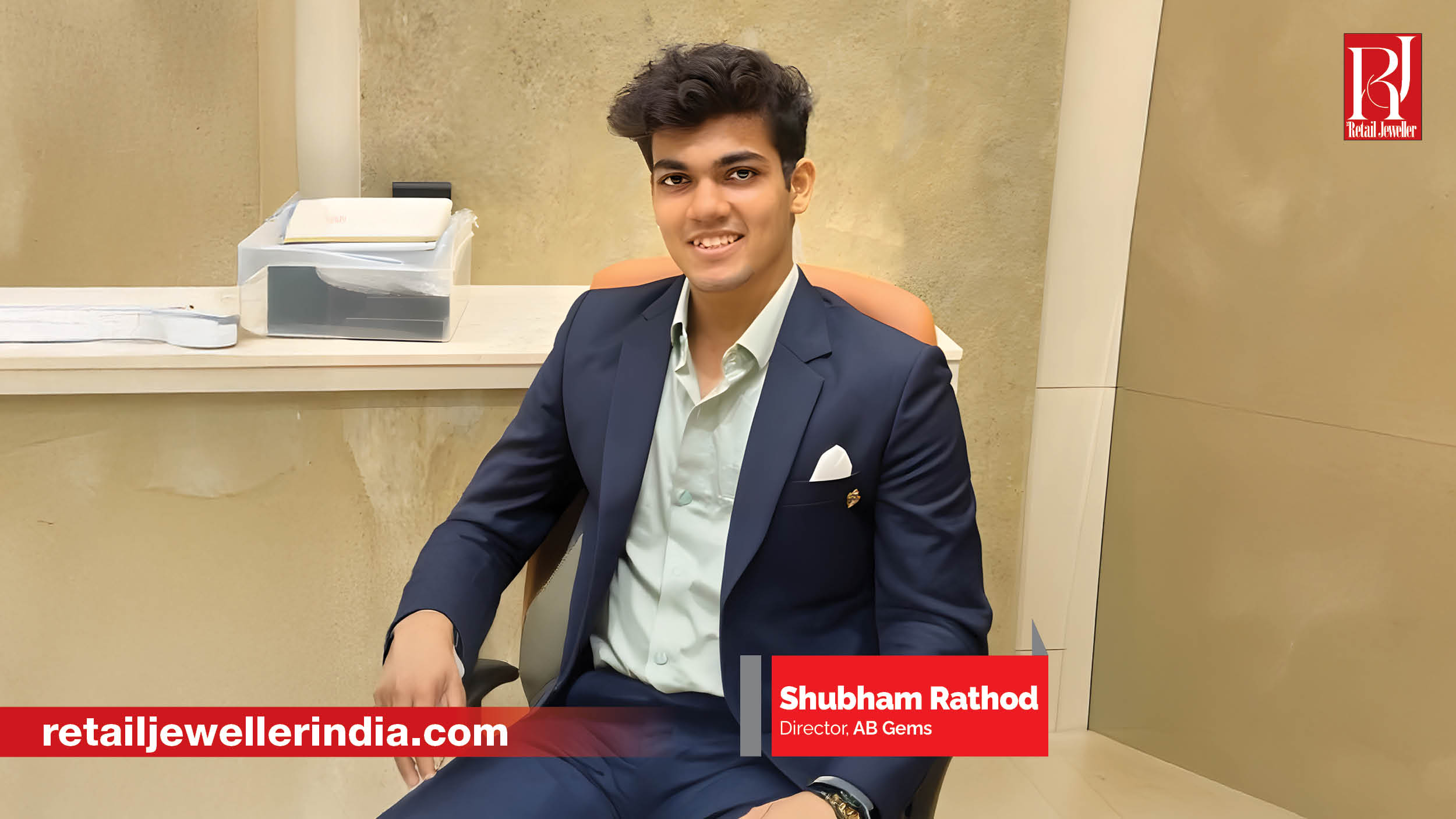

-Shubham Rathod, Director, AB Gems
I’m seeing more and more coloured gemstone-centric global brands entering the Indian market, and that tells me something very clearly. The brands Bvlgari, Tifanny, Chopard etc are not here by accident. They are here because there is a strong and growing audience for luxury coloured gemstones in India. Yet, when I look at our own market, only a handful of Indian brands like The House of Rose immediately come to mind as serious, coloured gemstone-focused players. With the visibility created by recent Ambani wedding celebrations and high-profile Bollywood weddings, gemstones have moved firmly into the spotlight. Demand is clearly rising, but as Indian retailers, I feel we have still not tapped this market deeply enough. Coloured gemstones have the potential to be far more than just another jewellery category. If treated with intent, they can stand as a full-fledged luxury jewellery segment.
Here’s what I strongly believe. Coloured gemstones already behave like luxury. They are rare by nature, visually powerful, and emotionally charged. Yet in many Indian retail environments, they are still treated like a secondary category. Often they are positioned as an add-on to diamond jewellery, or sold in a way that encourages bargaining rather than confidence. Building value in coloured gemstones is not about stocking more colour. It is about building trust, structure, and experience so that customers stop seeing coloured gemstones as a risk and start seeing them as a premium purchase.
Customers love how coloured gemstones look, but they are often unsure about what they are paying for. Unlike diamonds, where grading systems and certification have trained consumers to ask the right questions, coloured gemstones have traditionally been sold with a high degree of subjectivity. That is why I believe the future of coloured gemstones as a luxury category depends on standardisation and certification. At our store, this is not a positioning statement, it is a system. We have introduced standardised pricing logic for coloured gemstones, supported by barcoded packets and computerised billing, so that pricing feels consistent and logical. While negotiation is still part of Indian buying behaviour, the customer must feel that the starting price is anchored in transparency, not improvisation. Certification, for me, is non-negotiable. A large portion of coloured gemstones in the market are still sold without any formal certification, and that holds the category back.
Another reason coloured gemstones have such strong potential is the statement and extraordinariness they create—they are the ultimate way to stand out. Just look at all the celebrity weddings, like the Ambani celebrations: everyone chooses bold, colourful gemstones to make a memorable impact. Unlike gold or diamonds, coloured gemstones can be crafted into chunky pieces that exude extravagance, statement and most importantly, drama. Coloured gemstones are always the first choice for a woman who wants her jewellery to stand out, and the wide range of shades and colour options makes them perfect for matching with outfits.
But storytelling cannot stop at celebrity influence. The strongest gemstone stories are provenance-led. When customers understand where a stone comes from, why that origin matters, what makes a particular shade rare, or how a stone can be styled, their relationship with the jewellery changes. When I explain that sapphires are sourced from Sri Lanka, emeralds from Zambia, opals from Australia, or natural pearls from Venezuela, I see a clear shift in customer engagement. That is how luxury is built. Not by saying premium, but by making ownership feel specific and informed.
Indian retailers already have a cultural advantage here. We understand weddings, gifting, milestones, and heirloom value better than most global markets. What we need to do better is align coloured gemstone storytelling with the evolving tastes of today’s customer. Post-Covid, especially at the premium end, customers are no longer only investment-led. They are experience-led. They want individuality, rarity, and meaning.
This shift is also visible in demand patterns. While emeralds and rubies have traditionally dominated, the palette is expanding. In my business, emerald jewellery sales have grown by over 30 percent in last two years, particularly after large wedding seasons. However, faster growth is now coming from stones like tourmalines and pink sapphires, where demand has increased by more than 50 percent. Pastel weddings, softer colour themes, and coordinated styling have opened the door for coloured gemstones that would have been considered niche earlier. Gemstones are no longer only about traditional red and green statements. They are becoming a wardrobe-driven category.
Teams must be trained to sell provenance and design stories, not just weight and rate. Ranges must cater to first-time buyers as well as serious collectors. And above all, consistency must be built over time. The demand already exists. The consumer mindset has already shifted. What remains to be seen is whether Indian retail will meet this moment with a coloured gemstone category that feels credible, elevated, and future-ready. If we do, coloured gemstones will no longer sit quietly on the counter. They will become a powerful luxury engine within Indian jewellery retail too, like it is internationally.
As told to Pratyasha K
Retail Jeweller India Magazine