



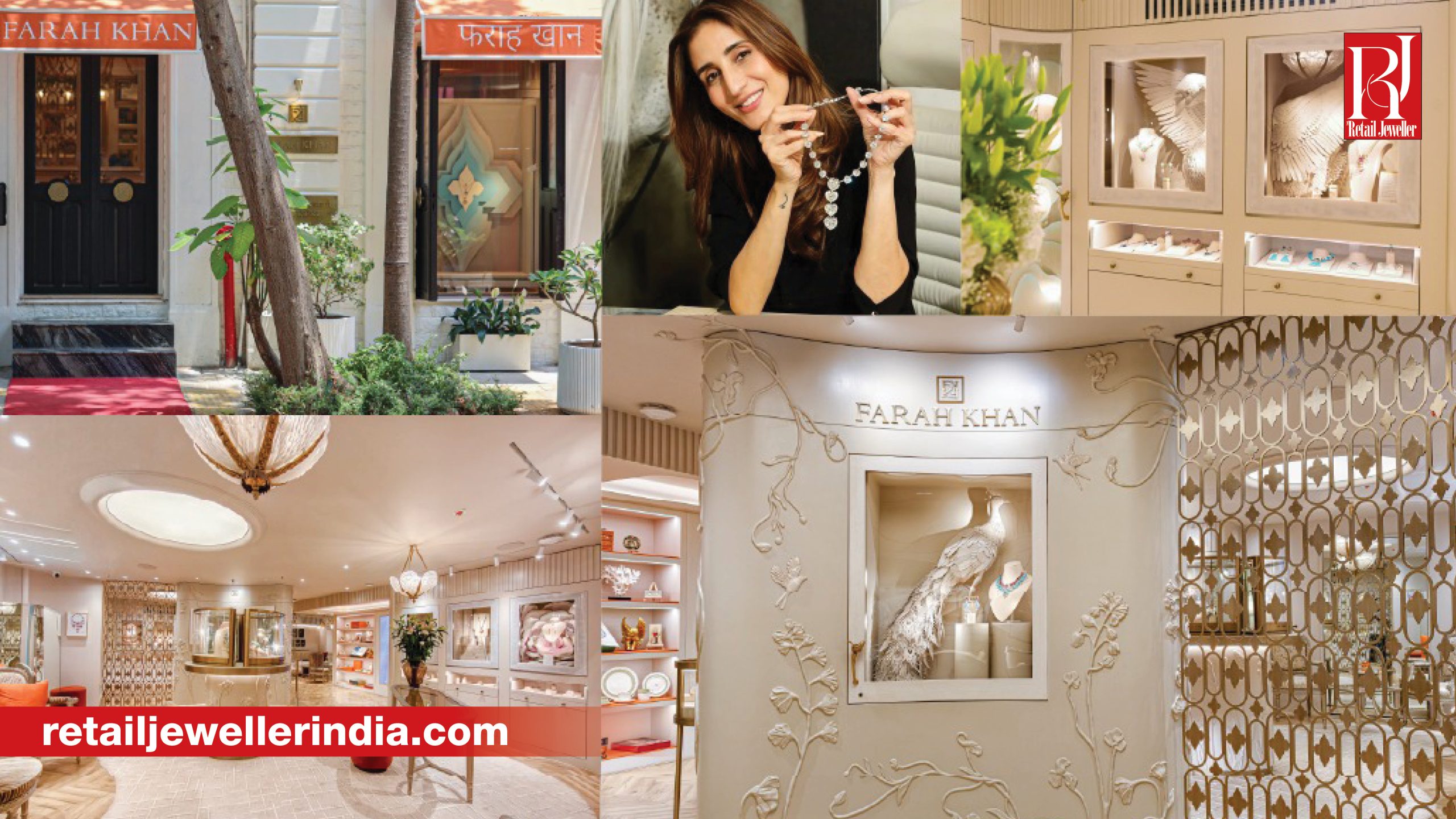

Farah Khan Fine Jewellery’s move into Fort is less a store launch and more a calibrated brand statement, strategically positioning the brand amidst a high-value mix of discerning local consumers and international tourists. In conversation with The Retail Jeweller, Farah Khan Ali, the designer, unpacks the thinking behind the move, the creation of a narrative-led retail environment where collections unfold as stories, the rising consumer shift towards exclusivity-driven coloured gemstone jewellery, and why the luxury industry must evolve from price-led transactions to storytelling and brand-led value creation
Edited Excerpts:
Why Fort? What made this location right for your new store?
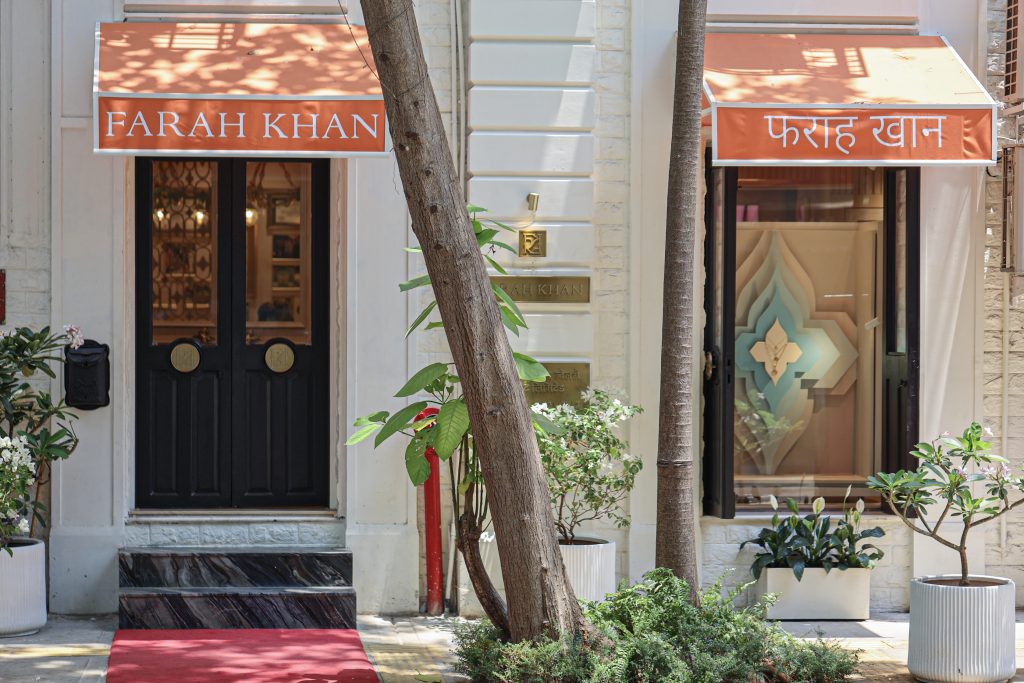
This is the heart of Mumbai. It is full of heritage, art, culture, and history, and that is what my designs are rooted in. Fort feels like the most natural setting for the brand. The location strengthens our position in the luxury segment. With this move, I aim to attract a refined crowd here, culturally rich and people who understand luxury and design. Being here also makes it easier to access the international tourists who come all the way to India to discover and experience it. That is another very important reason to be in this district.
How would you describe the overall store vision, and how do the collections come together within the space?
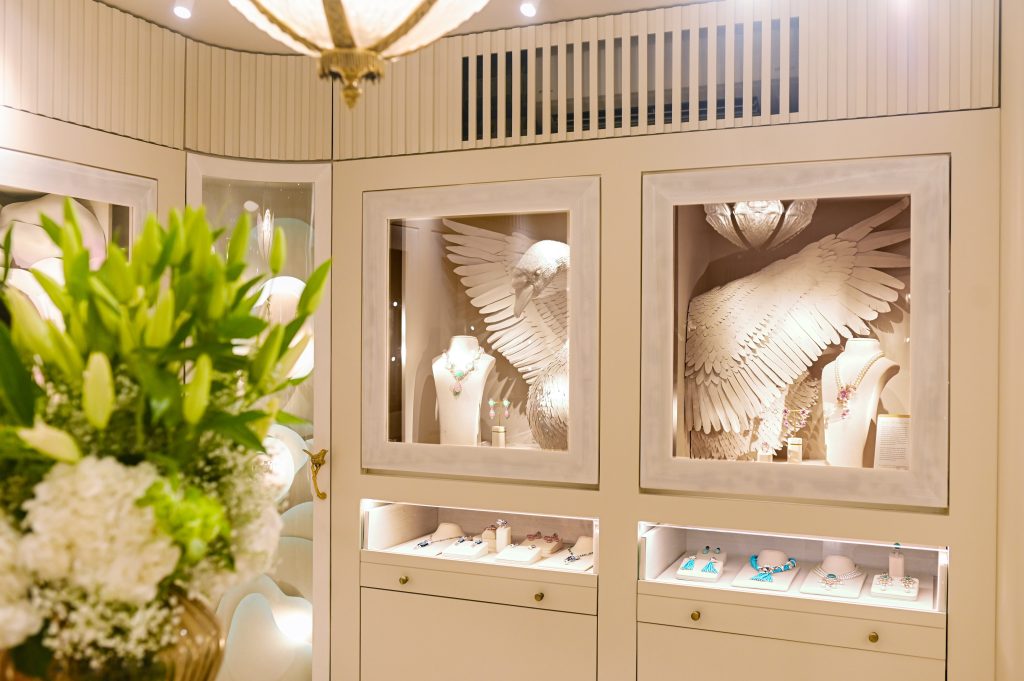
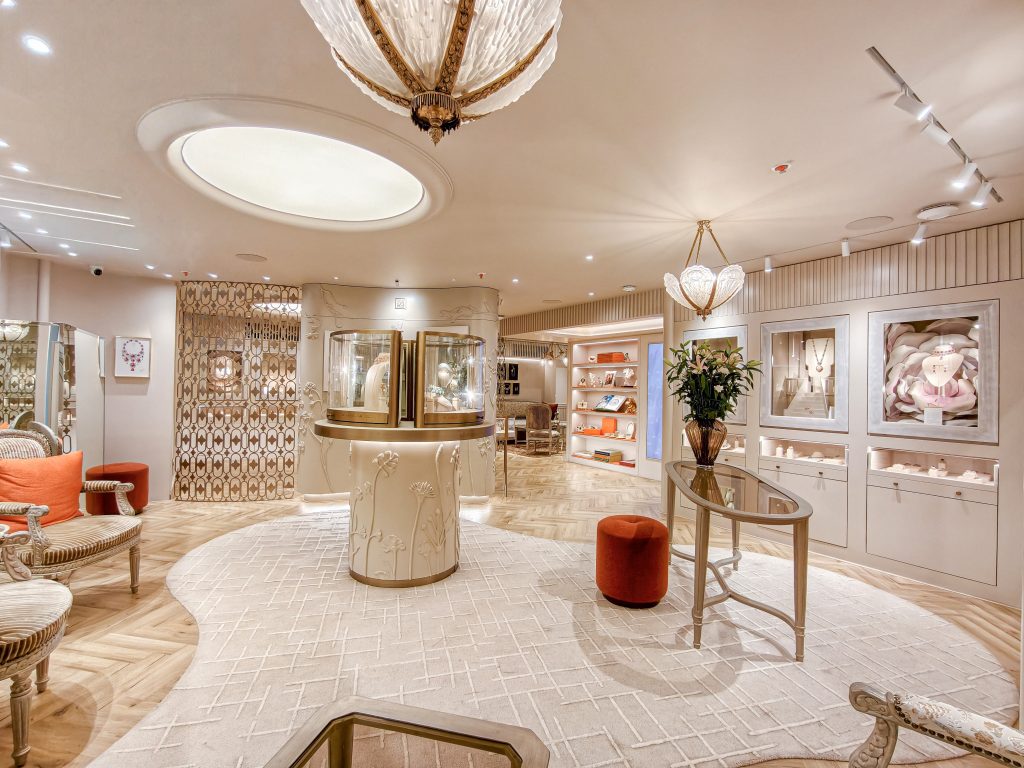
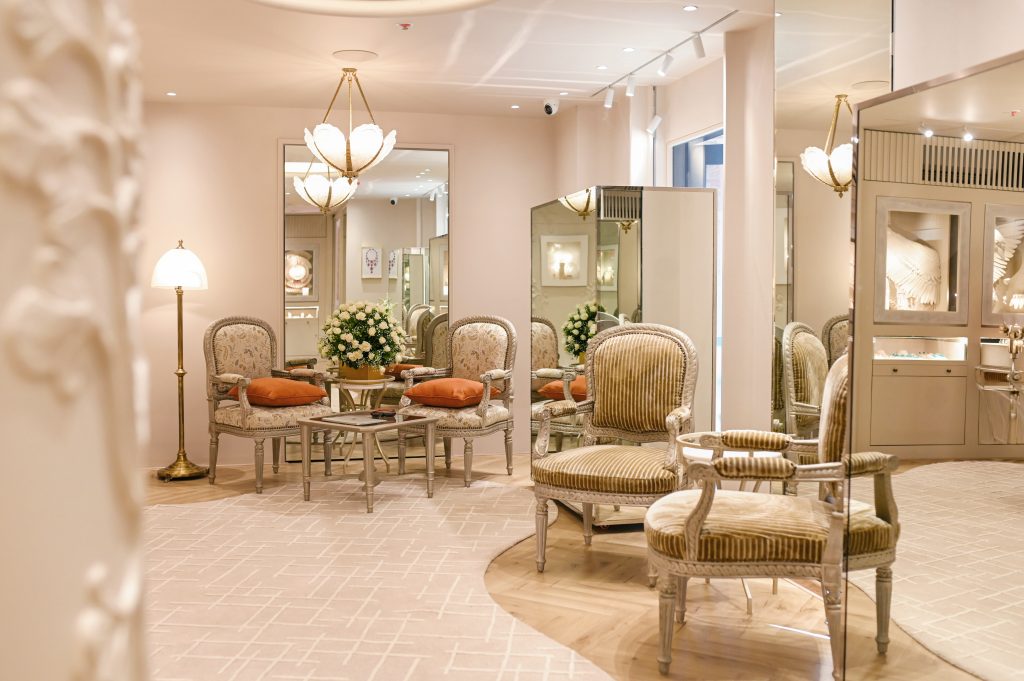
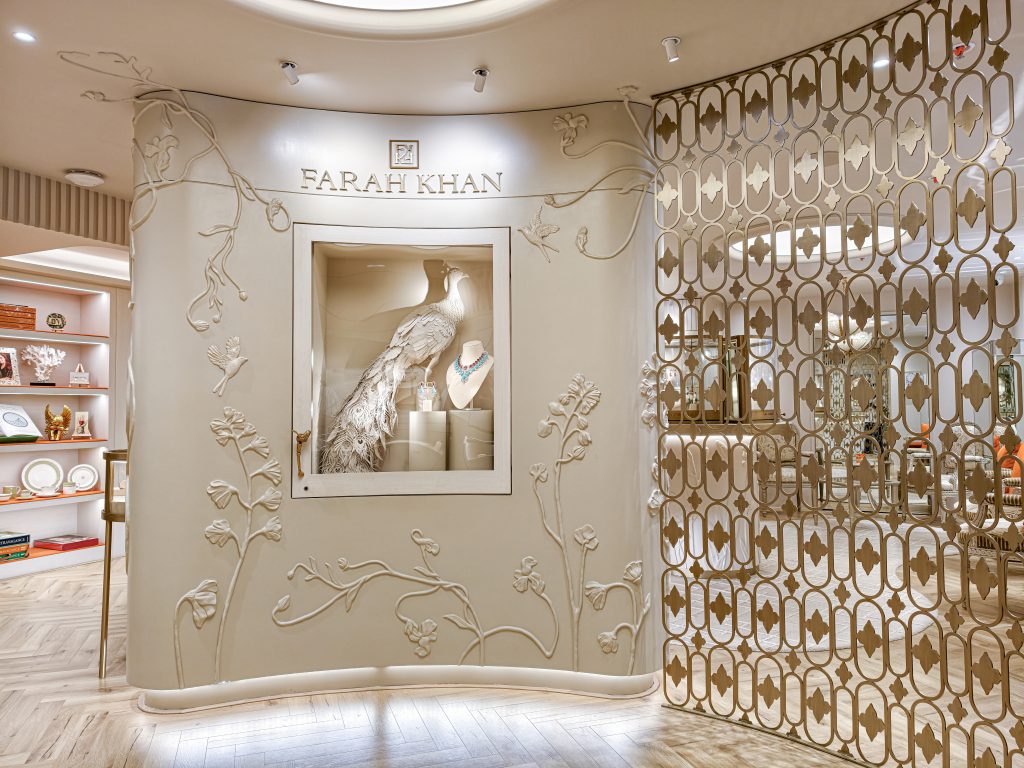
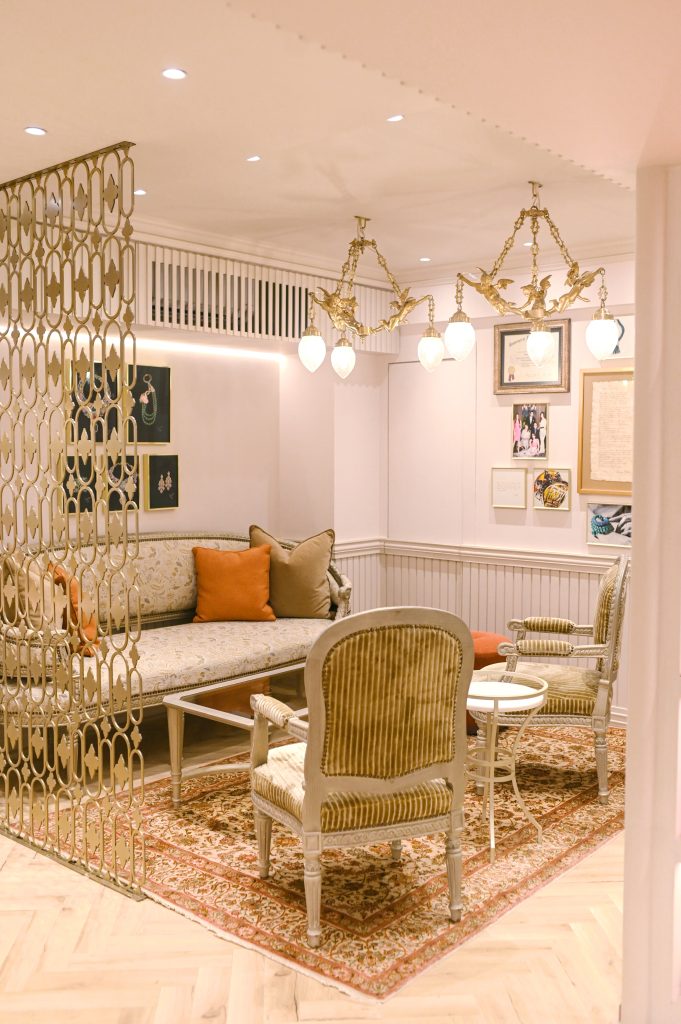
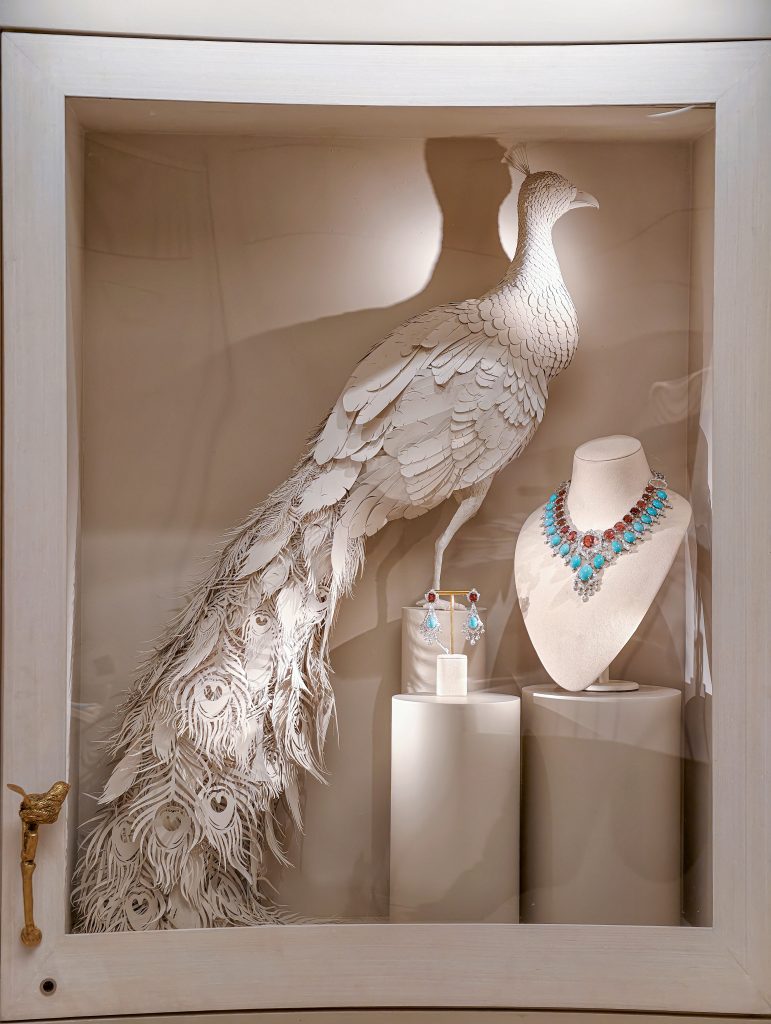
The store ambience is deliberately restrained in soft tones for the gemstones to have the moment they deserve. The space is built to bring in a sense of quiet that slows you down for observing and absorbing. It is designed to make you feel, not just see. Within this setting, aided by museum style display, each individual collection unfolds it’s own mood, story, and emotion. I believe it’s the cornerstone of customer experience. We have dramatic installations supporting storytelling, making the store less of a transactional retail space and more of a walk through living stories written with gemstones much like an art exhibition.
Your’s is one of the unique Indian brands to have a signature identity. How does it build the idea of luxury?
A monogram or signature imprint is extremely important because it gives the brand a clear identity and instant recall and, over time, builds aspiration. But it cannot just be decorative, it has to stand for something. In my case, it represents the four pillars of my brand—nature, architecture, love, and ethics. Nature is where my inspiration comes from, architecture shapes how we live, love is the reason behind everything we create, and ethics is what guides us. Together, they reflect the idea that being alive itself is a miracle, and that is something we should celebrate. We have the monogram in all our pieces, but in a very subtle way, not on the face.
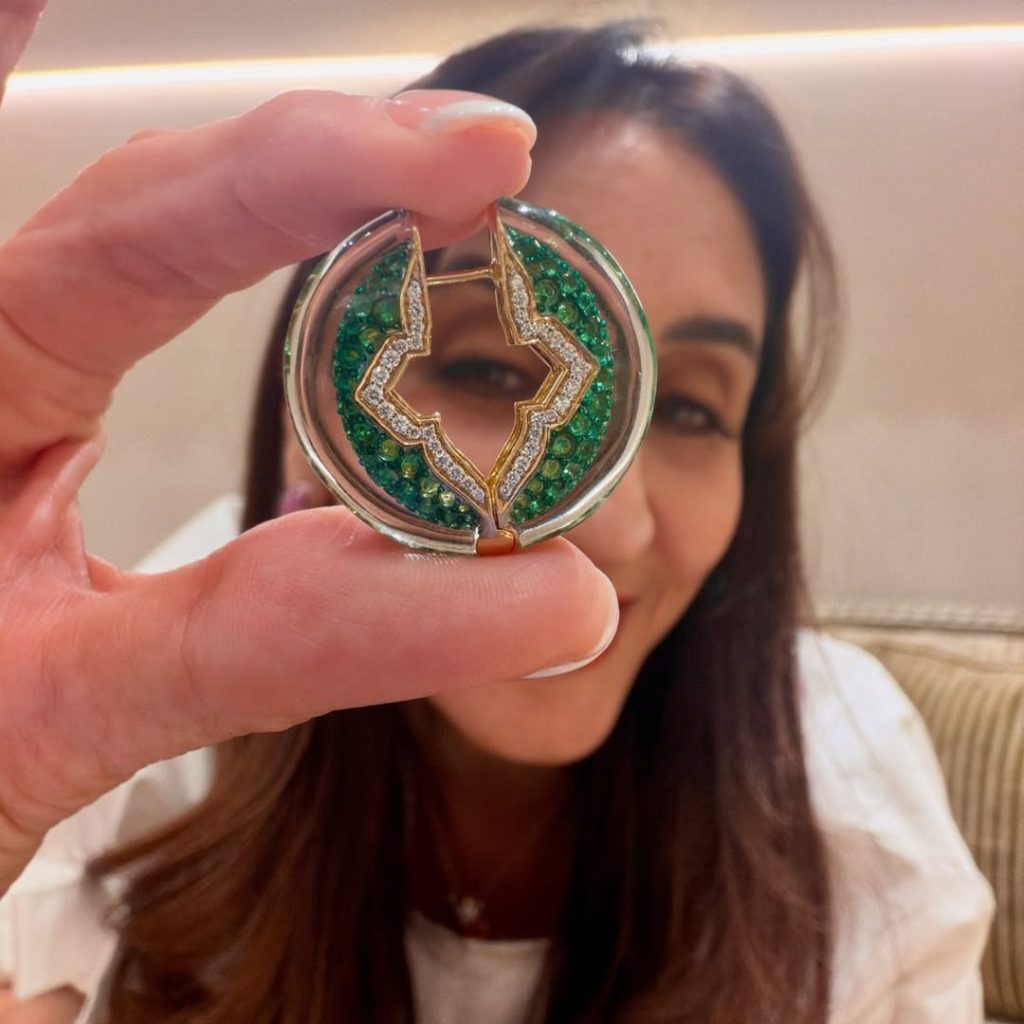
You have been working with coloured gemstones from the very beginning. How do you view their acceptance today?
I see this as one of the best times in the coloured gemstones jewellery industry. However, I do not believe this shift is because of rising gold prices. People have not stopped buying gold. At one level, they are buying differently because exclusivity matters. Earlier, solitaire earrings were a clear signal of wealth. Today, that signal has weakened because lab-grown diamonds look similar. So, colours become a way of making a stronger statement due to its novelty value.
A five-carat Burmese ruby, for instance, would be much more expensive than a five-carat diamond, and far rarer. The Indian customer is now also influenced by brands from the West like Bvlgari, Cartier, Tiffany etc, as they grow more and more in India with colour gemstones as focus. On another level mainstream Indian brands like Tanishq and Malabar, are also launching coloured gemstones collections, looking at the demand. It also allows them to be more cost-effective in certain ways. Compared to diamonds, smaller-sized coloured gemstones can be cheaper for the Indian customer, though larger gemstones can be far more expensive.
You mentioned the West. How do you see that influence playing out?
The West is taking inspiration from colours from India. Recently, I met Lucia Silvestri of Bvlgari, and she was saying how she was inspired by India, by the colours in saris, and that allowed her to play with gemstones and create the colour patterns people now go crazy over.
Even according to Indian astrology, colours mean so many things. You have Navratan necklaces. People wear different colours to suit their temperament or aspirations: rubies are said to be good for careers, pearls for peace, emeralds for wealth and fame, and so on. So, I think Indians are now getting back into their own historical frameworks.
What we must learn from the West is manufacturing and storytelling. Their manufacturing has historically been far superior, and they know how to tell stories, especially for gemstones. We have strong stories, but the emphasis is often on making a sale instead of selling the art, which undervalues the effort, further reinforced by conversations around discounts and zero percent making charges, which is very unfortunate.
Written by Pratyasha K
The Retail Jeweller India magazine