





LGD prices are collapsing as oversupply from China and India floods the market, eroding consumer confidence. On the other hand, the market shows firming prices for natural diamonds, and several media reports have cited a 10% rise in key categories in India for early 2025
Mumbai: If lab-grown diamonds (LGDs) captured the jewellery world’s attention in recent years, offering lower cost, rapid production and strong appeal among younger, value-conscious buyers, industry insiders and sector data show this wave may now be receding.
Mining majors such as DeBeers and Argyle as well as traditional businesses such as India’s diamond cutting and polishing industry had felt the impact. But according to World Diamond Council President Feriel Zerouki, LGD prices are collapsing as oversupply from China and India floods the market, eroding consumer confidence in synthetic diamonds. “If you look at the latest trends, lab-grown diamond prices are crashing. This is impacting consumer confidence in lab-growns,” Zerouki told Reuters in Luanda.
Reuters quoted some analysts as saying that one- and two-carat LGD prices have fallen by as much as 90% to 96% since 2018. According to the New Indian Express, this was corroborated by Paul Zimnisky, a diamond trade analyst, who said the lab-growns were currently selling at a 90% discount to similar natural diamonds, when in 2015 they were just 10% cheaper compared to natural diamonds. The result: many view LGDs as shifting from “diamond substitute” to near-commodity, especially in the bridal segment.
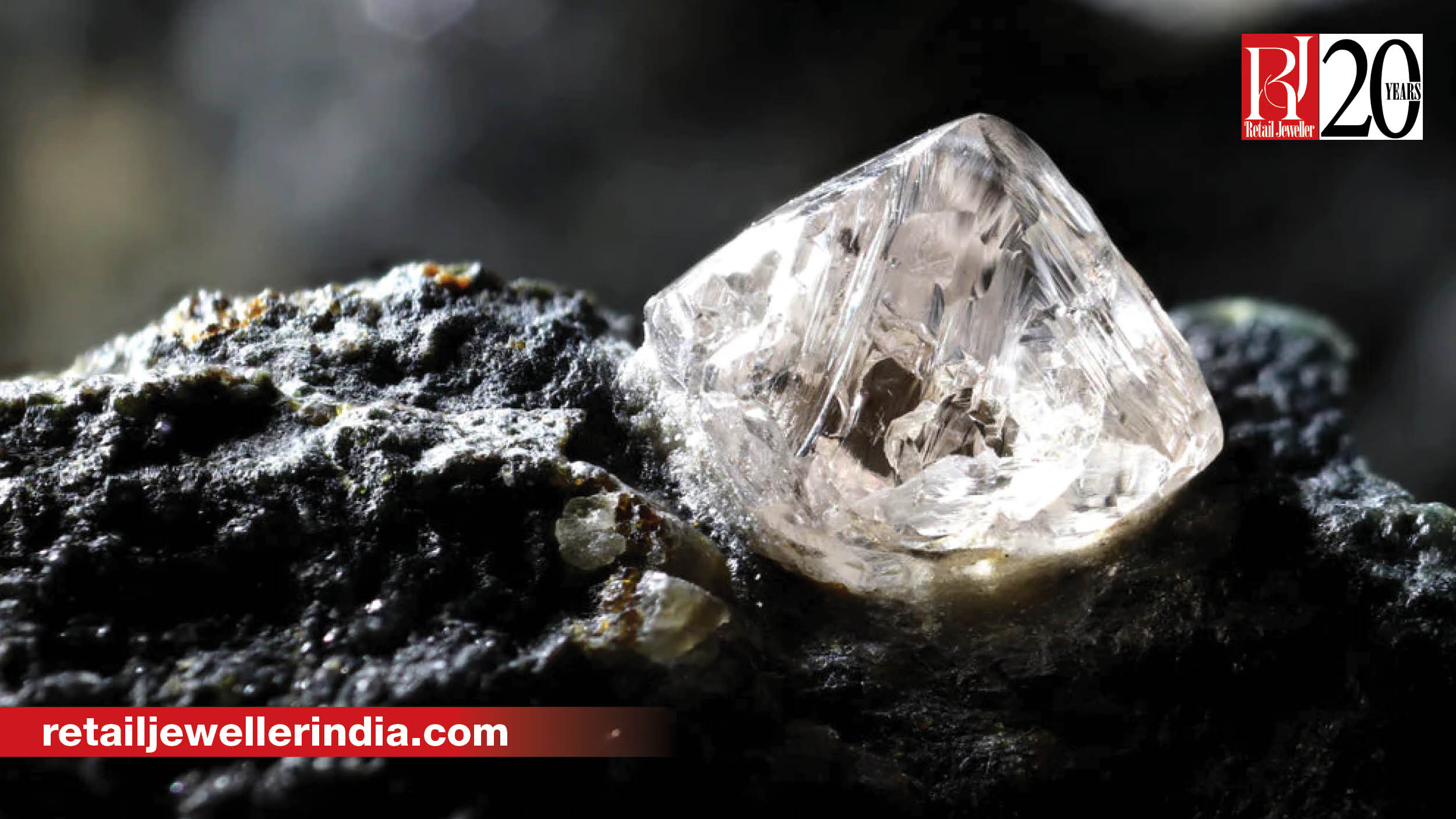
By contrast, natural diamonds are enjoying a resurgence. The market shows firming prices, for instance a 10% rise in key categories in India for early 2025, as cited in several media reports.
Demand is picking up, especially in Tier II and Tier III cities, and luxury buyers appear to be shifting back to natural diamonds for their rarity, heritage value and resale potential.
India’s diamond cutting and polishing hub has felt both the pain and the early benefit of these shifts. On the LGD side, exports of polished synthetic diamonds climbed, but their earnings plunged. Meanwhile, thousands of LGD‐reactor investments and jobs in hubs such as Surat are under strain. But for natural diamonds, the domestic market is showing 12% growth in 2024, offering a buffer against export headwinds.
A report in The New Indian Express mentions: “In 2024, exports of polished LGDs shot up 50% in volume to 6.45 million carats, compared with 4.28 million carats in 2022. However, in value terms, earnings dropped 45%. This year, both volume growth and value realization have plummeted.”
Still, revival of natural diamonds is not without its hurdles. Global rough-diamond production is expected to decline (from ~129 m carats in 2024 to ~125 m in 2025) and major mines are ageing or shuttered. Sanctions on Russian producer Alrosa have disrupted supply, giving natural-stone houses a rare supply-side tailwind. Meanwhile, industry players are rallying behind collective marketing efforts, such as the Luanda Accord, under which African producers pledged ~1 % of annual sales to promote natural diamonds.
In summary, the lab-grown diamond boom appears to be losing its lustre, while natural diamonds are making an early comeback. For the trade, this signals strategic pivots — polishing units, jewellers and miners alike must now recalibrate focus. The shift doesn’t mean LGDs vanish; rather it means the value propositions are evolving.
Retail Jeweller India News