


In just two years, Heritage Panjab has repositioned Punjabi jewellery as a viable, contemporary category by blending silver, heritage-led design and experiential retail. In conversation with The Retail Jeweller, Harinder Pal Singh, Founder, Heritage Panjab, shares how diaspora demand, nostalgia-driven storytelling and a museum-style store in Patiala—now drawing 400–500 tourists annually—have helped the brand achieve 60 percent overseas sales and 45–50 percent growth in revived heritage categories
Edited Excerpts:
What market gap did you see when you started the brand?
The gap wasn’t just commercial, it was cultural and emotional. Traditional Punjabi jewellery was quietly disappearing from the market. Very few jewellers were still creating it, and almost no one was presenting it in a way that spoke to today’s consumer. I felt there was a real risk of losing this heritage altogether.
At the same time, I saw a deep sense of nostalgia amongst people, both Indian and overseas. People now want to reconnect with their roots, with the jewellery they had seen on mothers, grandmothers and old family photographs. I wanted to cater to that emotion while bringing back the royalty and originality of Punjabi jewellery in a form that could still scale. For me, it was about utilising that nostalgia as a bridge between tradition and today’s market.
That’s where silver became important. It allowed us to stay within fine, investible jewellery while making the category more accessible than gold. Our designs are high-end and craftsmanship-driven, but silver helps widen reach without diluting heritage.
How would you describe Punjabi jewellery as a category today, and how is demand evolving?
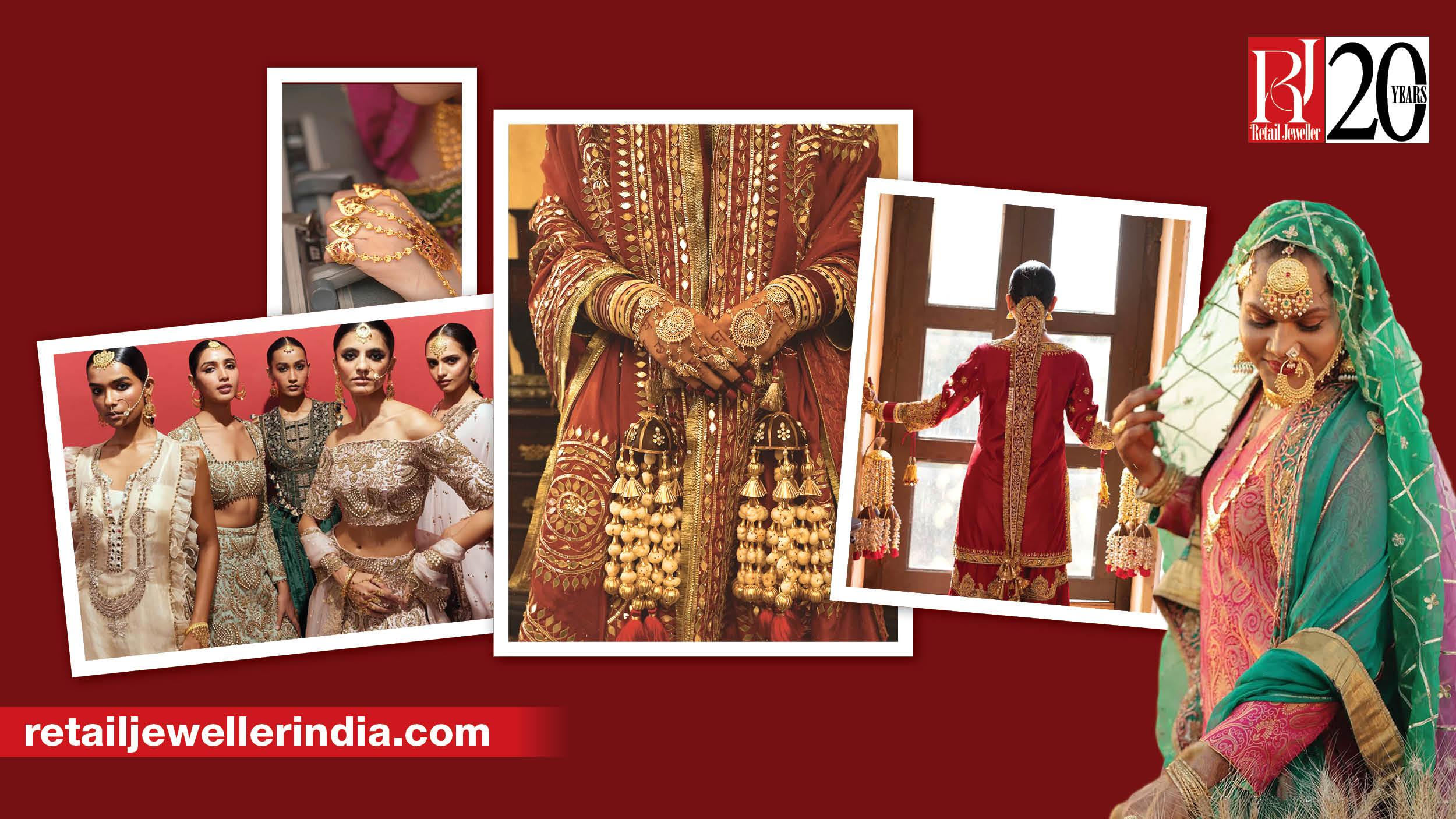
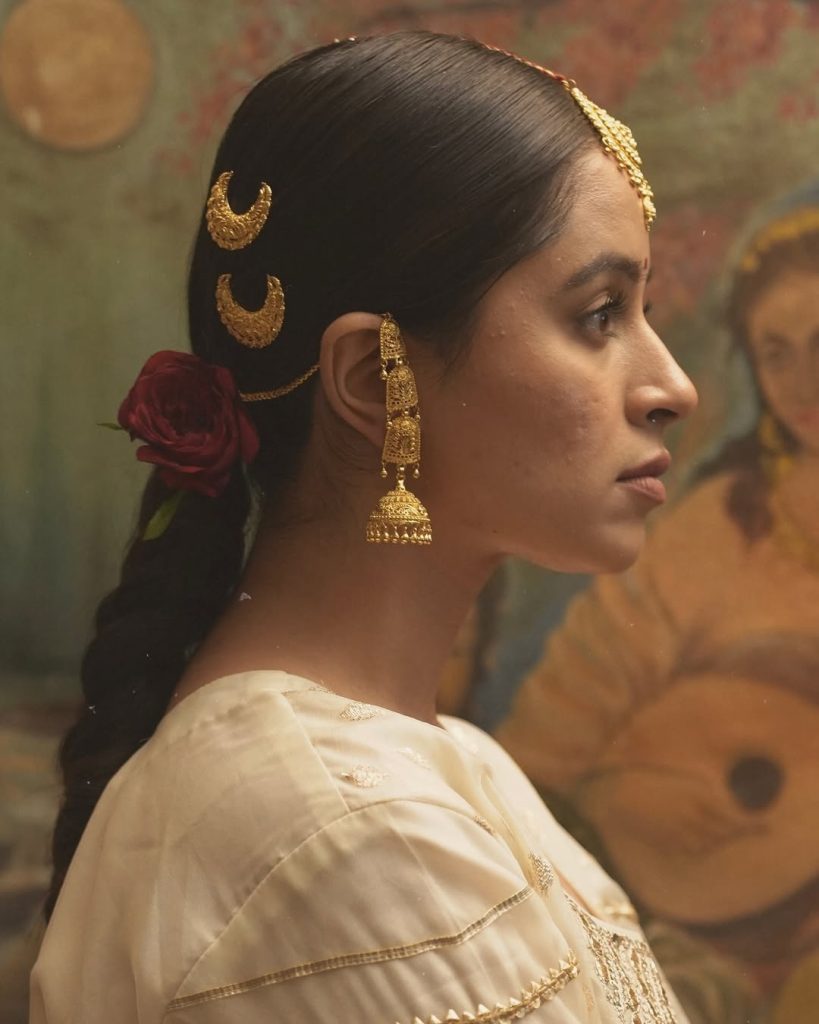
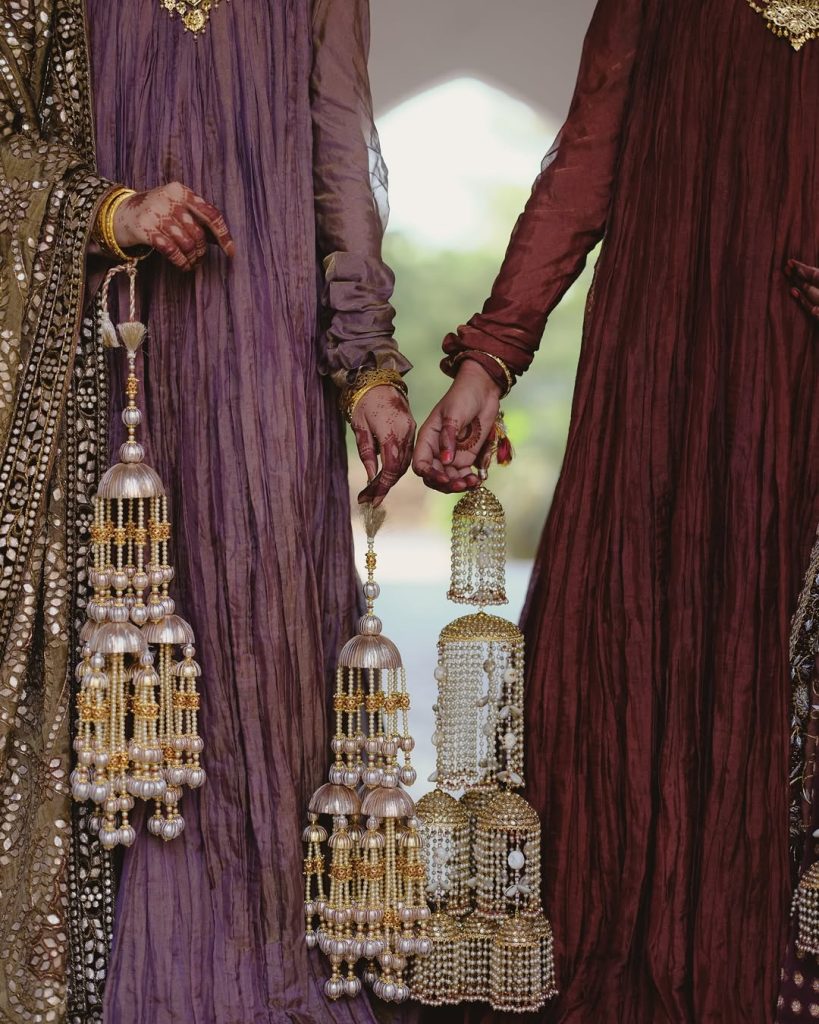
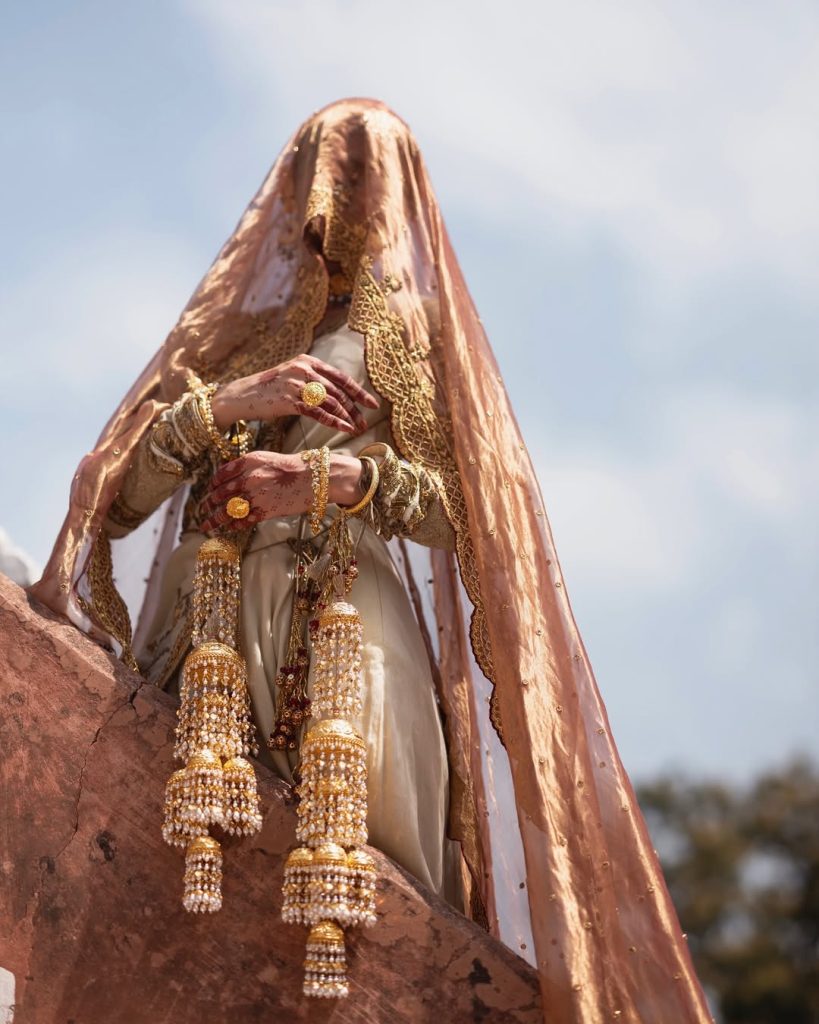
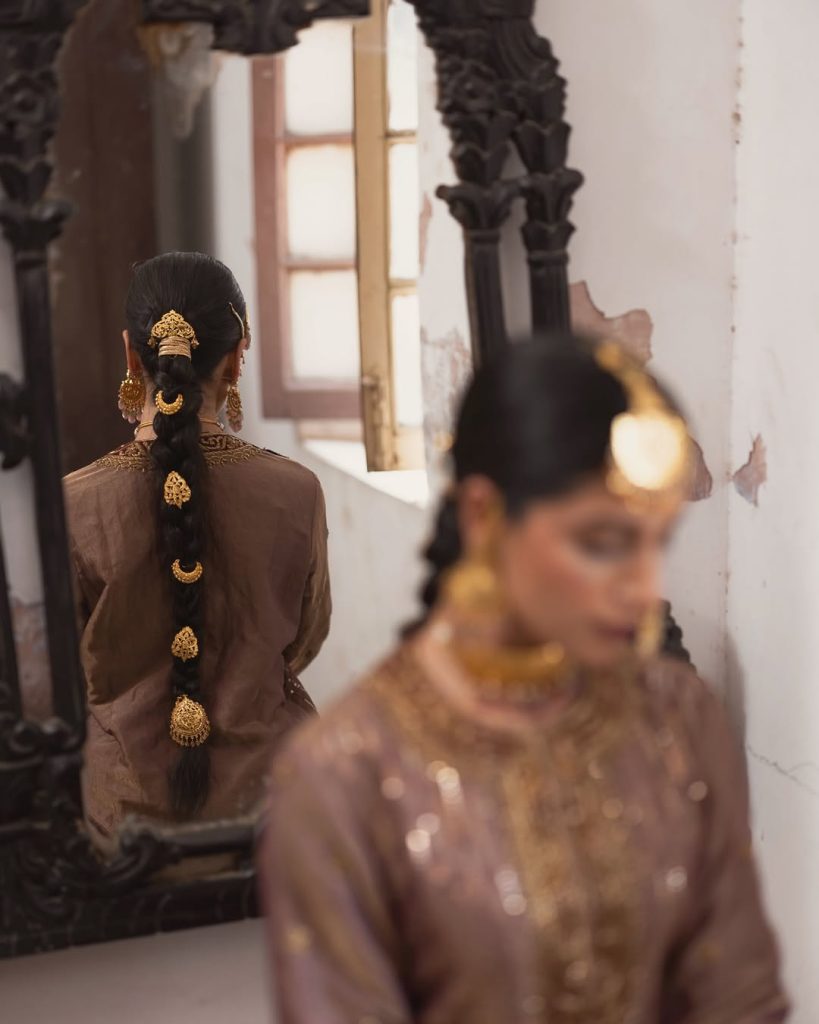
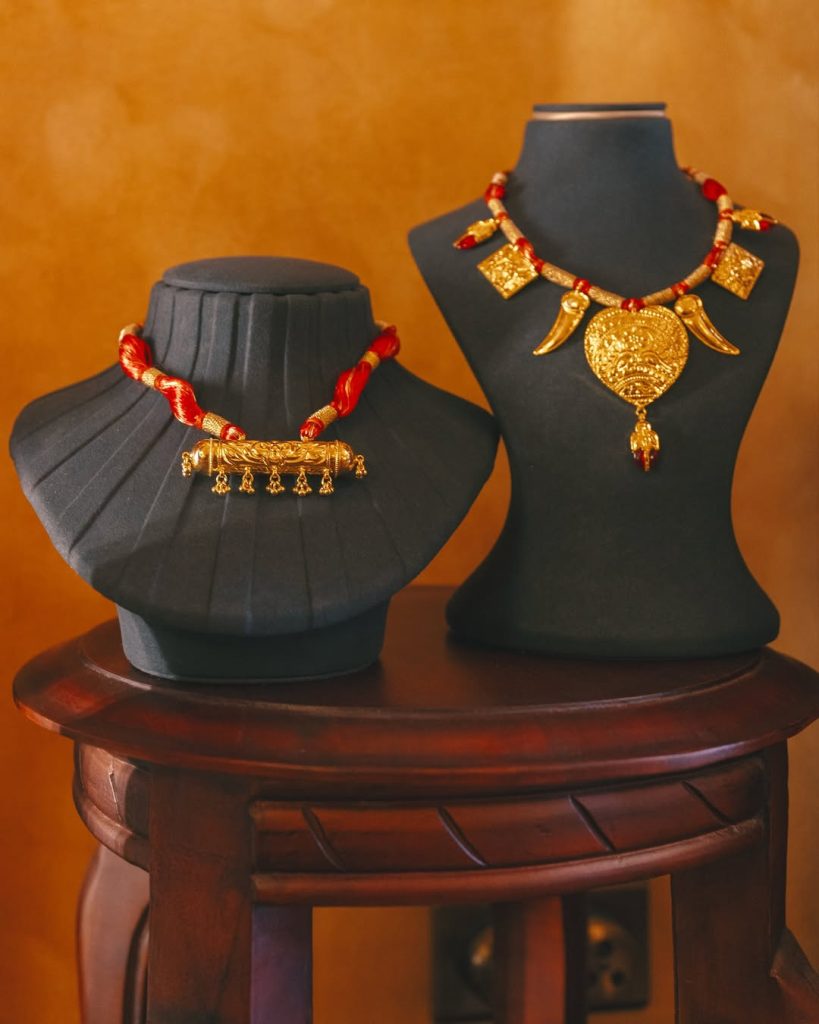
Punjabi jewellery is largely metal-driven. Traditionally, it has a golden appearance with very minimal stonework. A timeless Punjabi jewellery staple, Kaleeras continue to be the most in-demand, widely loved by celebrities and forming 30–35% of our bridal sales. Hair jewellery is another strong segment. Hair clips, pins and accessories are deeply embedded in Punjabi dressing, especially for weddings. Alongside this, we are on a mission of reviving the traditional Punjabi jewellery.
How did you approach reviving the category?
Revival today doesn’t happen by simply reproducing old designs. It happens when heritage is placed back into the public eye in a way people can relate to.
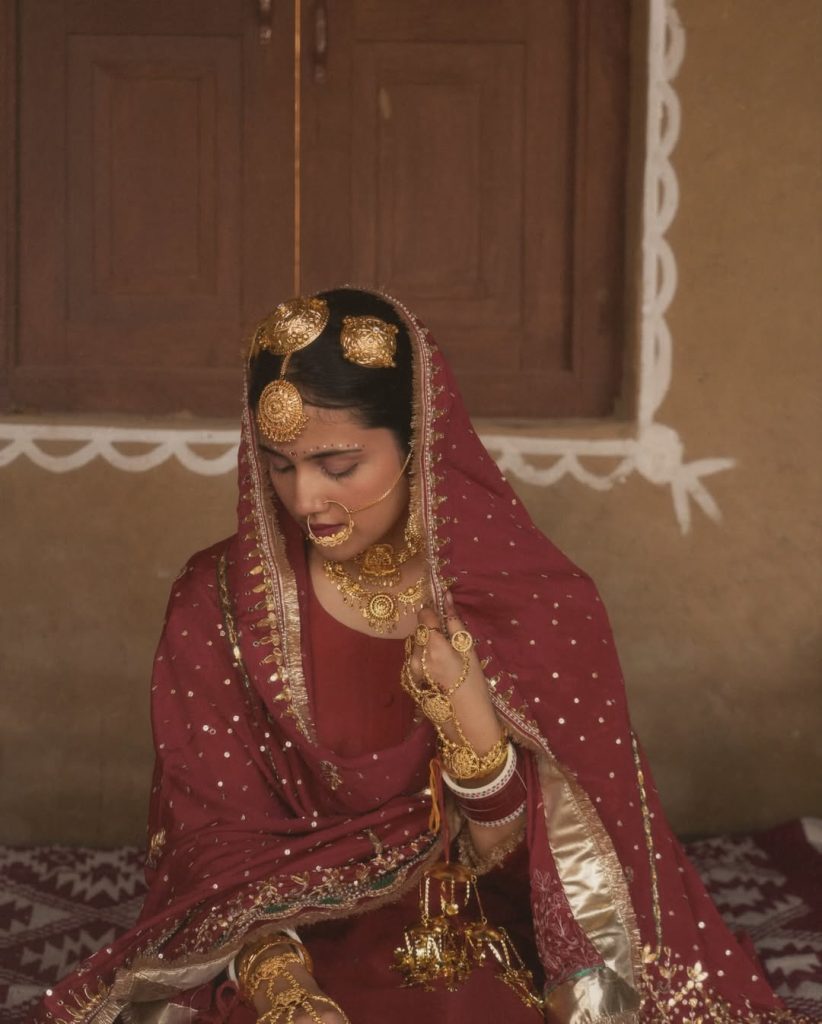
We consciously brought long-lost Punjabi jewellery forms like hand pieces and traditional hair accessories into active visibility through social media and styling. Storytelling is at the core of everything we do. Our Instagram is built around strong, aesthetic visuals that instantly communicate the spirit of Punjabi jewellery. The idea is not just to show products, but to evoke emotion and cultural memory. Our campaigns intentionally featured these pieces as hero elements, not as add-ons.
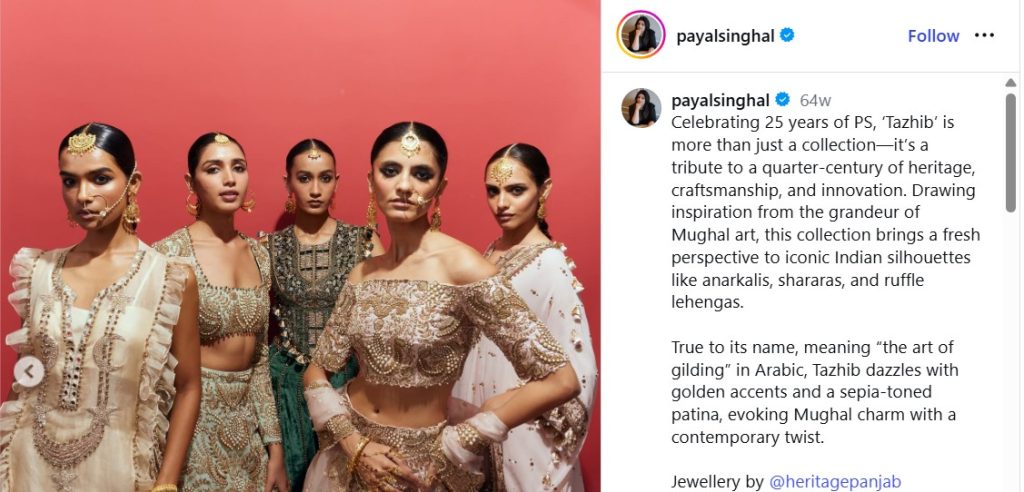
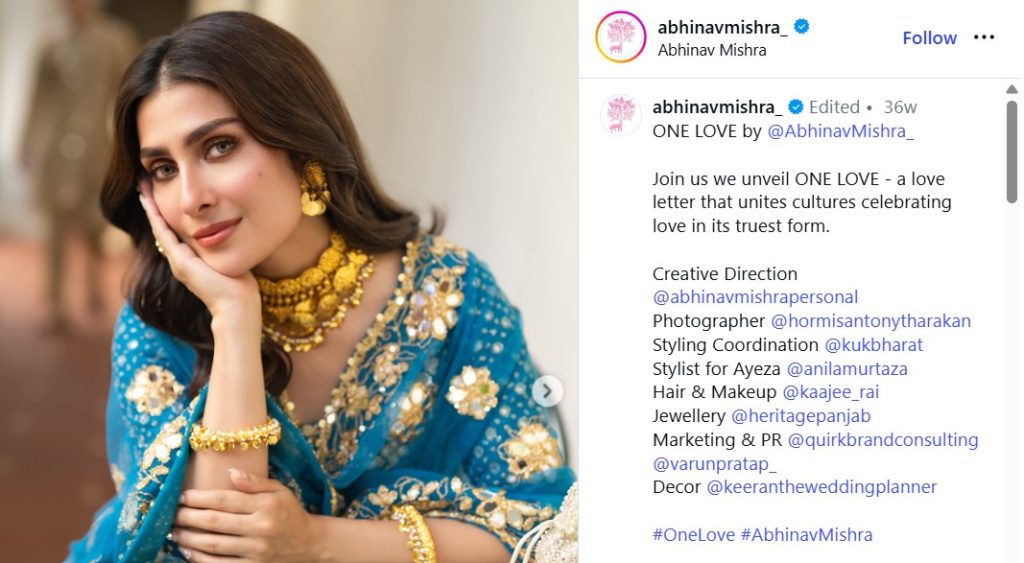
We’ve collaborated with leading figures from the Punjabi film industry, including Sonam Bajwa and Sunanda Sharma, which has helped bring visibility and authenticity. Designer collaborations with Payal Singhal and Abhinav Mishra for collection launches and runway presentations have further pushed Punjabi jewellery into the mainstream fashion conversation. What was once considered outdated suddenly felt relevant again.
From a business standpoint, the shift has been significant. These revived categories are now selling at a 45–50 percent higher rate compared to last year. Hand pieces, in particular, have moved from being a forgotten form to one of our strongest-performing segments.
You’ve spoken about the emotional connect your jewellery receives overseas. Could you elaborate on that?
Around 60 percent of our online sales come from overseas, with India contributing the remaining 40 percent. International customers, especially those living outside India, connect with our jewellery on an emotional level. Canada, the USA, the UK and Australia remain our strongest markets. Our clients usually are NRIs, both Punjabi and non-Punjabi, and muslim buyers who are drawn to our traditional craftsmanship and aesthetic. Nearly half of our overseas sales are bridal.
Interestingly, we don’t need large-scale marketing campaigns abroad, we only do targeted advertisements online. The designs themselves create that nostalgia. Being a silver jewellery brand also simplifies exports, making international sales more efficient.
Your store feels more like a heritage palace than a showroom. Why was that important?
We began as a digital-first brand and saw strong traction online. That response encouraged us to open a physical store last year, but we never wanted it to feel transactional.
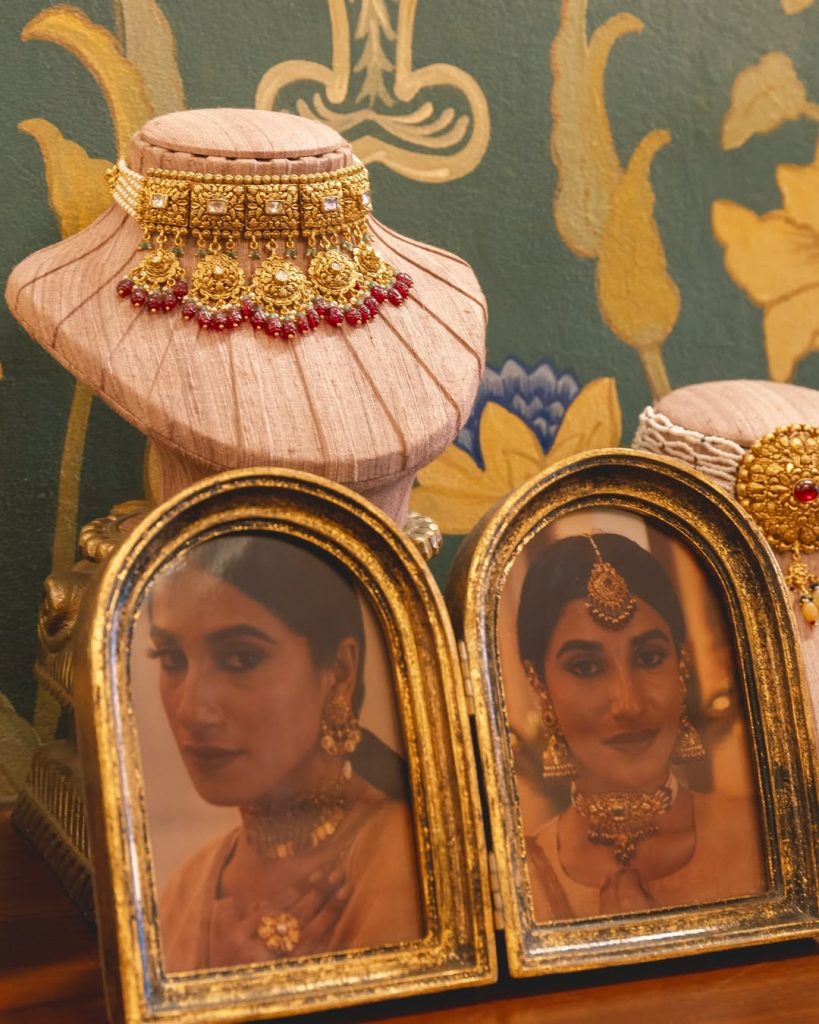
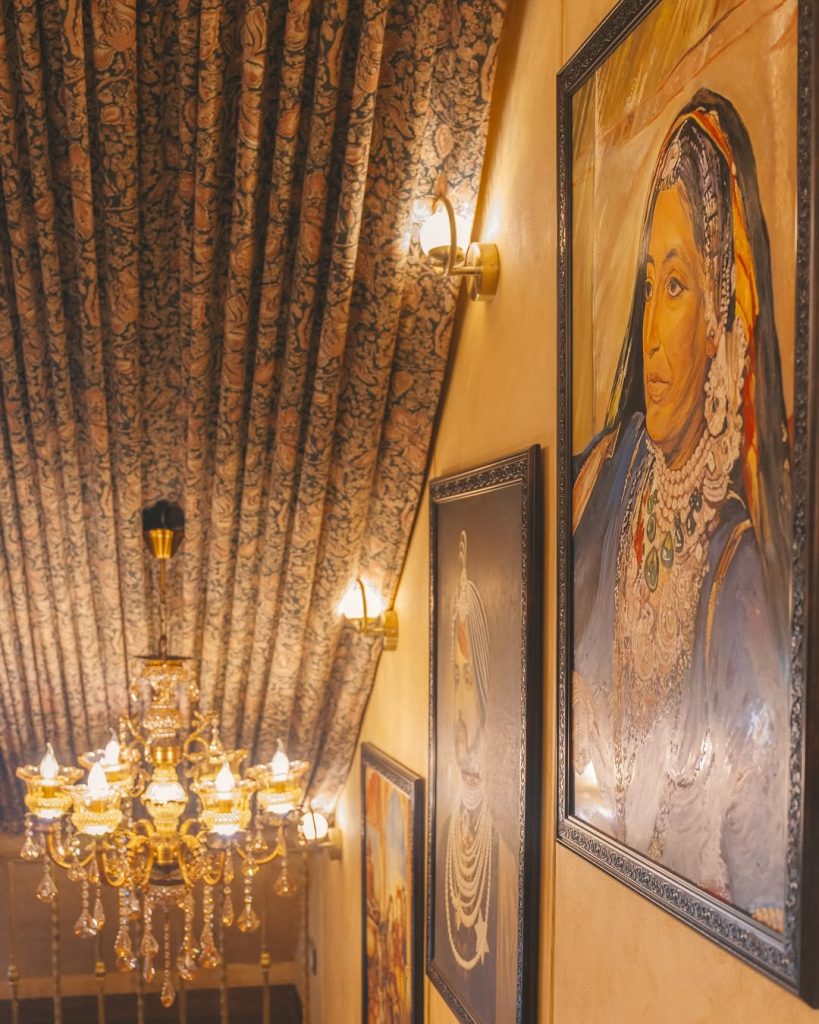
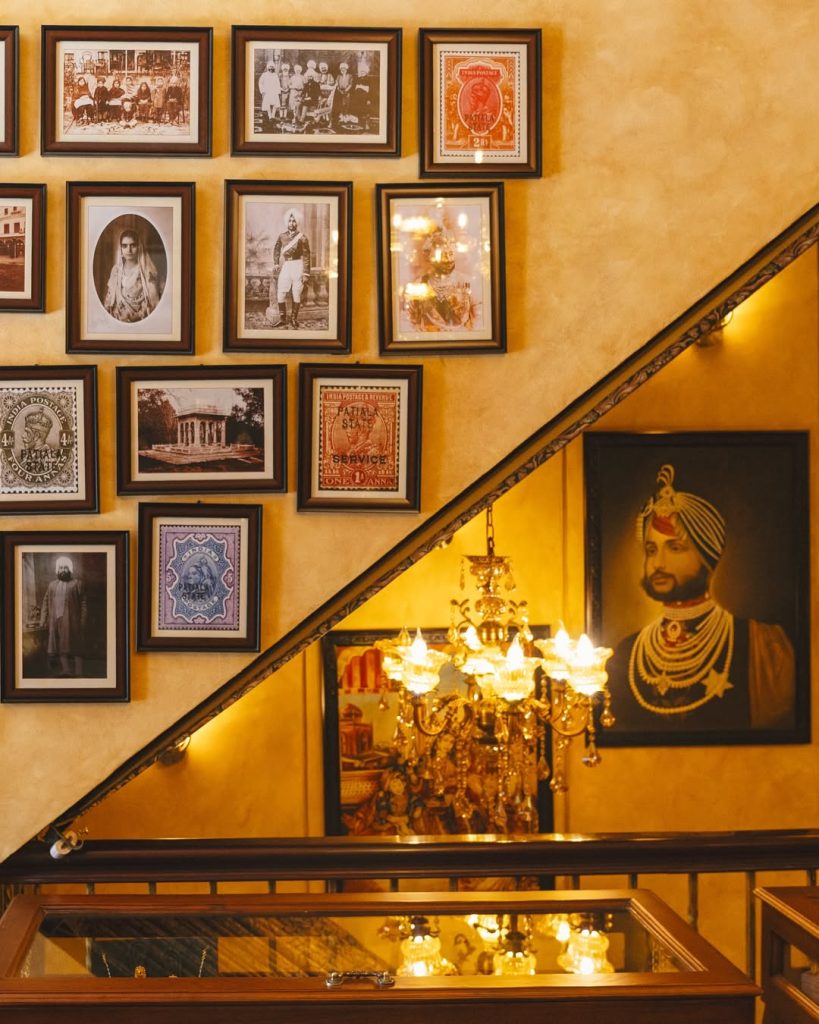
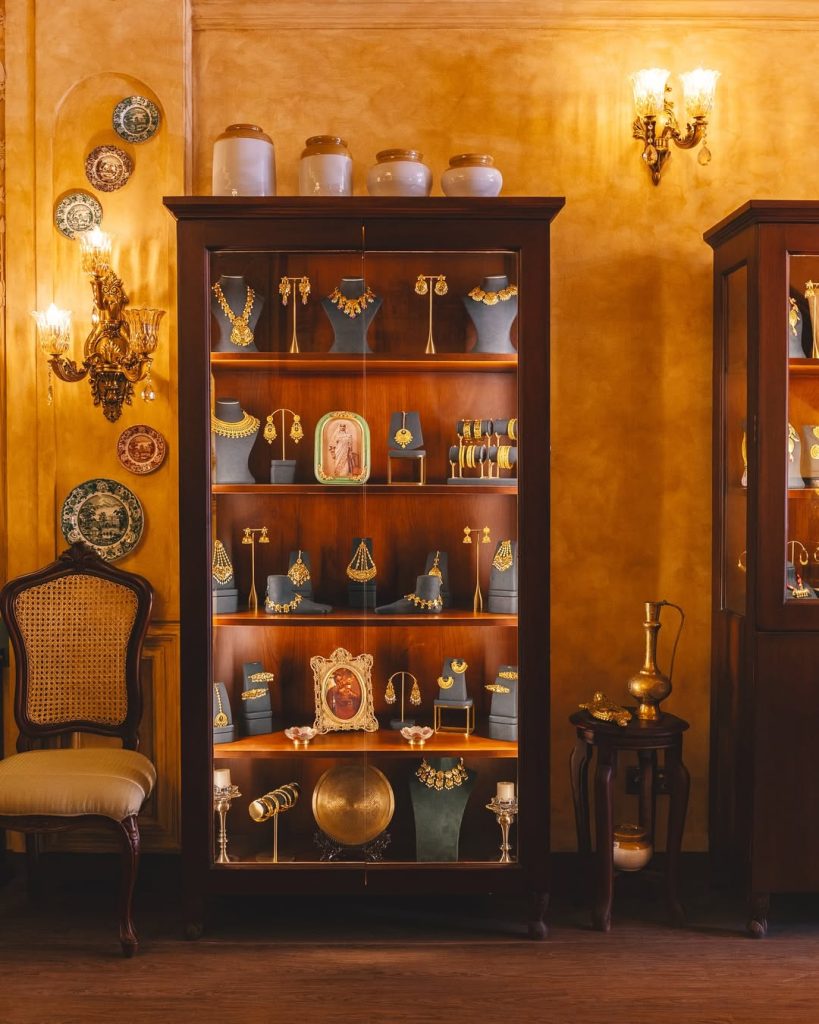
The store was designed as a heritage experience, almost like a museum. Spread across three floors, approximately 12,000 Sq. Ft, it draws inspiration from Punjabi palaces, with visual jewellery references to royal households and history.
This experiential approach has directly impacted sales. Before the store, bridal and traditional jewellery contributed almost equally. After the store launch, bridal jewellery now accounts for nearly 75 percent of sales. Brides need time, space and immersion, and the store provides that environment. Within a year, our online and offline sales aligned to a near 50:50 ratio.
Our physical store has also become a destination in itself. We attract a steady flow of tourists, with around 400–500 visitors over the past year, including NRIs, foreign travellers and tourists from other parts of India, particularly from the southern states. The store has been featured by travel magazines as a must-visit stop in Patiala, which has further amplified tourist footfall and brand visibility.
How does your association with Ran Baas Palace fit into your growth strategy?
During the restoration of Ran Baas, the royal guesthouse within Qila Mubarak in Patiala, we were invited to open a store on the property. Instead, we chose a curated display and a strategic tie-up. 10% of our offline sales happen through this display.
Guests at the heritage property are often recommended to visit our store as part of their cultural experience. This has helped us organically attract HNI and luxury customers, positioning the brand not just as a jewellery label, but as part of Patiala’s broader heritage and travel narrative.
What’s next for the brand?
We’re now exploring a franchise-led expansion through select luxury shop-in-shop bridal retailers. This allows us to scale while preserving the brand’s storytelling, aesthetic and cultural depth.
By Pratyasha K
Retail Jeweller India Magazine