



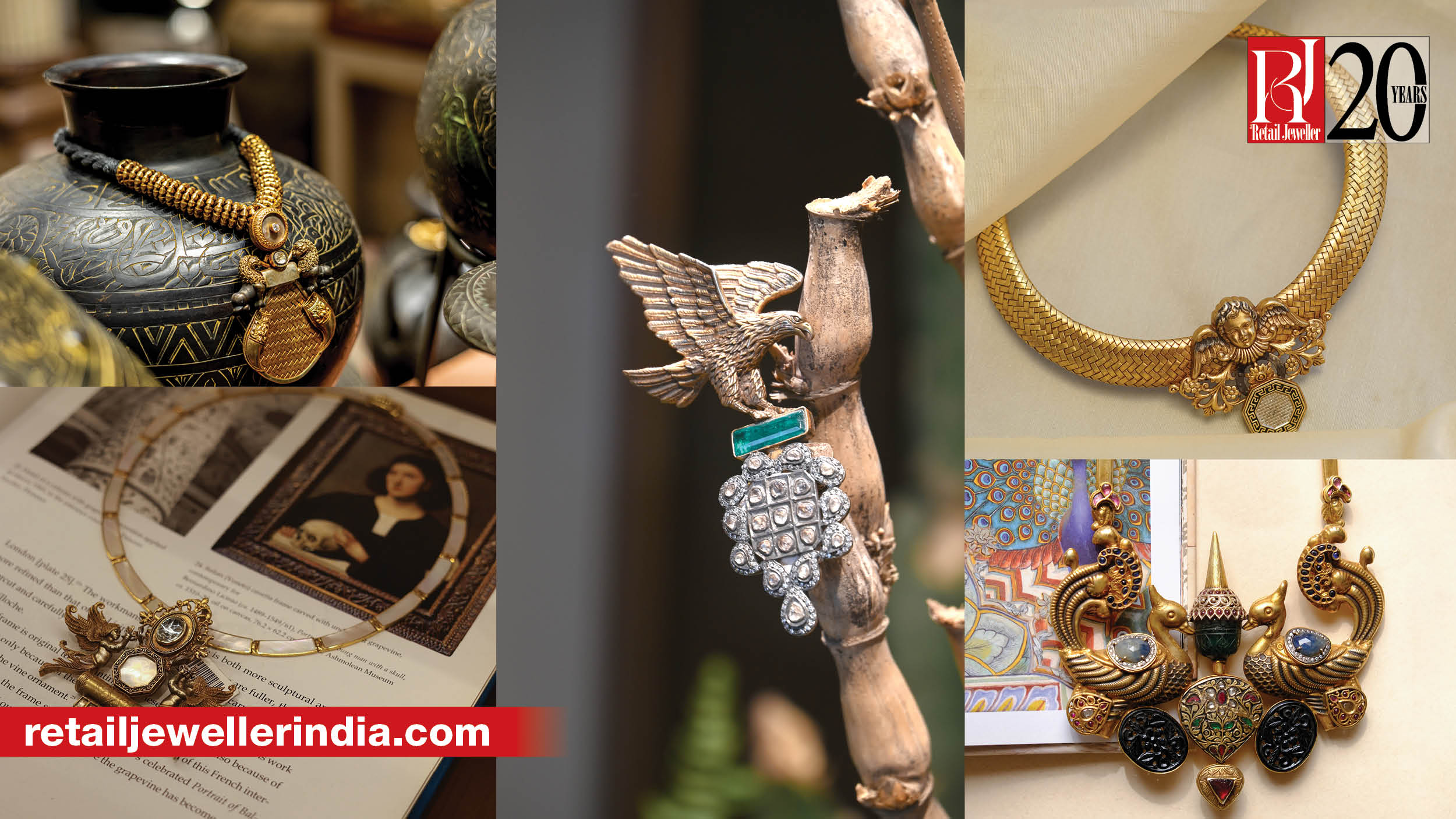

Founded in 2006, Apala by Sumit has elevated silver into the realm of luxury jewellery, combining immersive retail experiences with distinctive artistry to attract discerning clients in India and overseas
In an exclusive conversation, Sumit Sawhney, Founder, Apala by Sumit—talks to The Retail Jeweller about silver’s shining golden period. At the heart of this momentum is Apala’s new Mehrauli flagship, a living museum with the Qutub Minar as its backdrop
EDITED EXCERPTS:
In a gold-dominated market, what made you take the road less travelled and champion silver back in 2006?
At a time when silver was relegated to the sidelines—dismissed as tribal, craftsy, or merely functional—I saw its untapped soul. Silver, to me, wasn’t a compromise. It was a canvas. Unlike gold, it allowed me to patinate, oxidize, enamel, sculpt, and engrave with unmatched freedom. I believed silver deserved a seat at the luxury table, not as an alternative but as an equal. That belief became Apala’s mission: to redefine silver as a medium of heirloom-worthy art and cultural expression.
In the last five years alone, our silver jewellery sales have doubled. This is silver’s golden era!
-Sumit Sawhney, Founder, Apala by Sumit
From forgotten metal to fashion-forward—how has silver’s story unfolded over the last 18 years?
Silver has come full circle—from being sidelined to becoming a bold, versatile choice for everything from bridal to everyday wear. In the last five years alone, our silver jewellery sales have doubled, proving that consumers now see it as both wearable art and a luxury statement.
What’s even more remarkable is its rise as an investment—Rs. 8,490 per kg in 2006 to Rs. 1,03,900 in 2025. That’s a 12× leap. This is silver’s golden era!
In the age of virality, your digital presence is selective. How do you still manage to connect so deeply with your customers?
We don’t chase visibility. Our customers aren’t looking for mass-produced luxury; they seek meaning, exclusivity, art and craftsmanship. Apala by Sumit resonates with those who value art over algorithms. Our discerning audience is HNIs, stylists, brides, Gen Z aesthetes, and true collectors. We’ve built a community that finds us not through noise, but through intent.
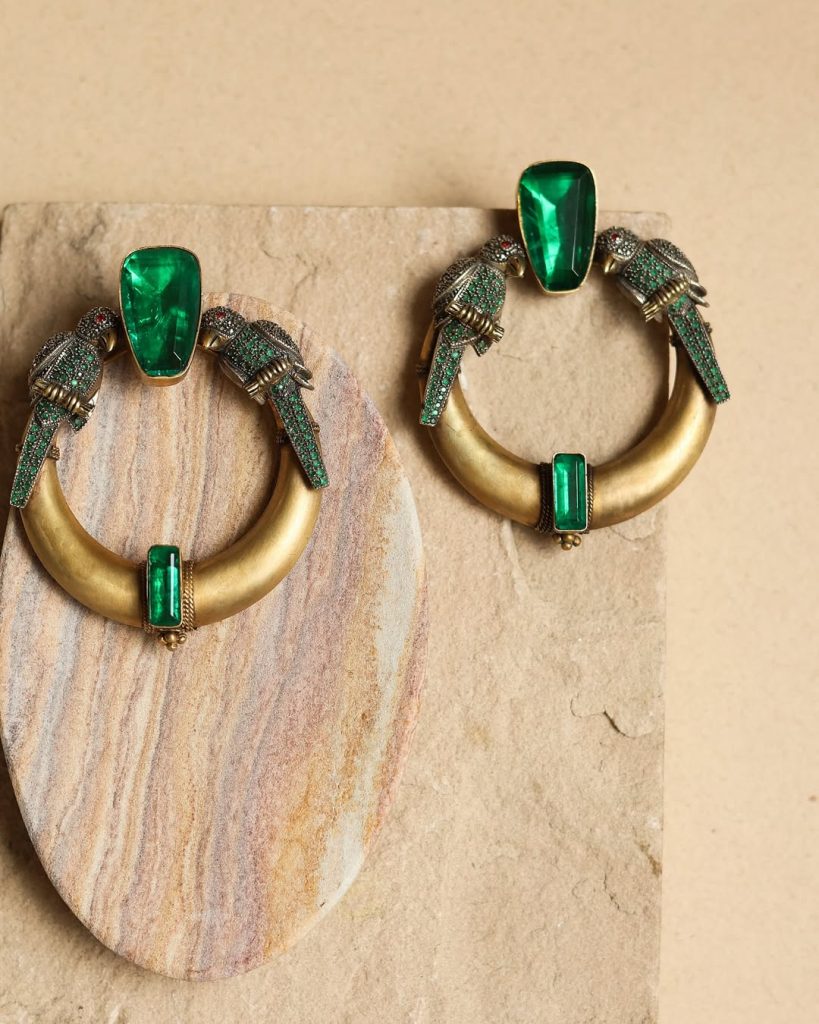
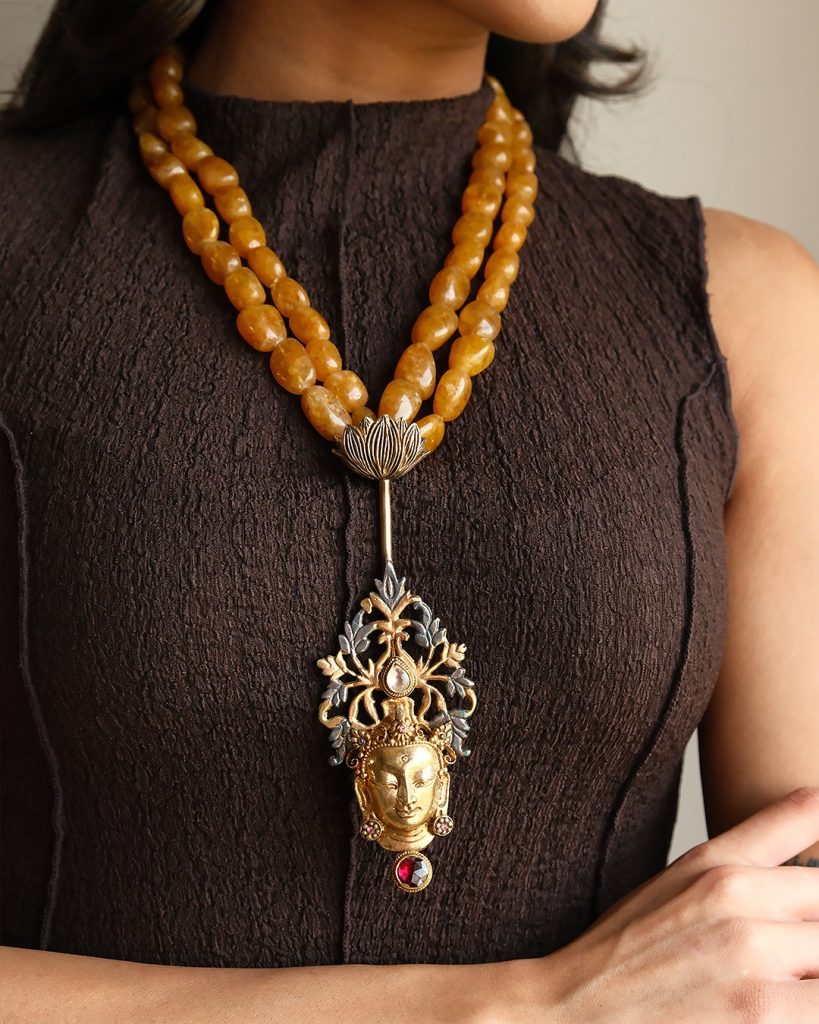
How has Apala managed to build such a strong international clientele without a traditional e-commerce push? How does your audience split across markets?
Around 60% of our business comes from India and 40% from international markets, with the US being our strongest overseas base. What’s fascinating is how many global clients discover us through word of mouth, social media, or simply by walking into our stores—which are designed more like living museums than retail spaces. Being based in Delhi, the capital, puts us on the radar of global travellers.
Internationally, we also work through channel partners and curated third-party platforms in the US. Social media, especially Instagram, plays a key role — customers reach out, and we provide concierge-style services through video calls to offer a highly personalised buying experience.
What’s fascinating is how many global clients discover us through word of mouth, social media, or simply by walking into our stores—which are designed more like living museums than retail spaces.
-Sumit Sawhney, Founder, Apala by Sumit
Tell about your recently launched Mehrauli space, described as a living museum. Can you take us inside and paint that picture for us?
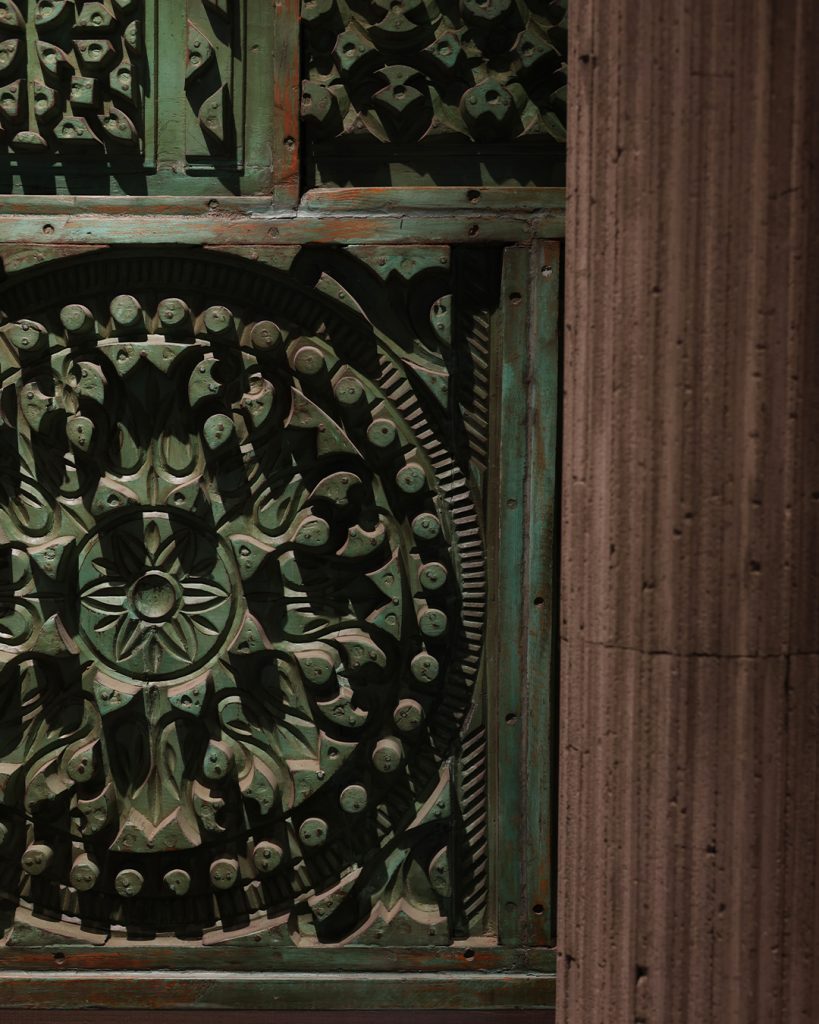
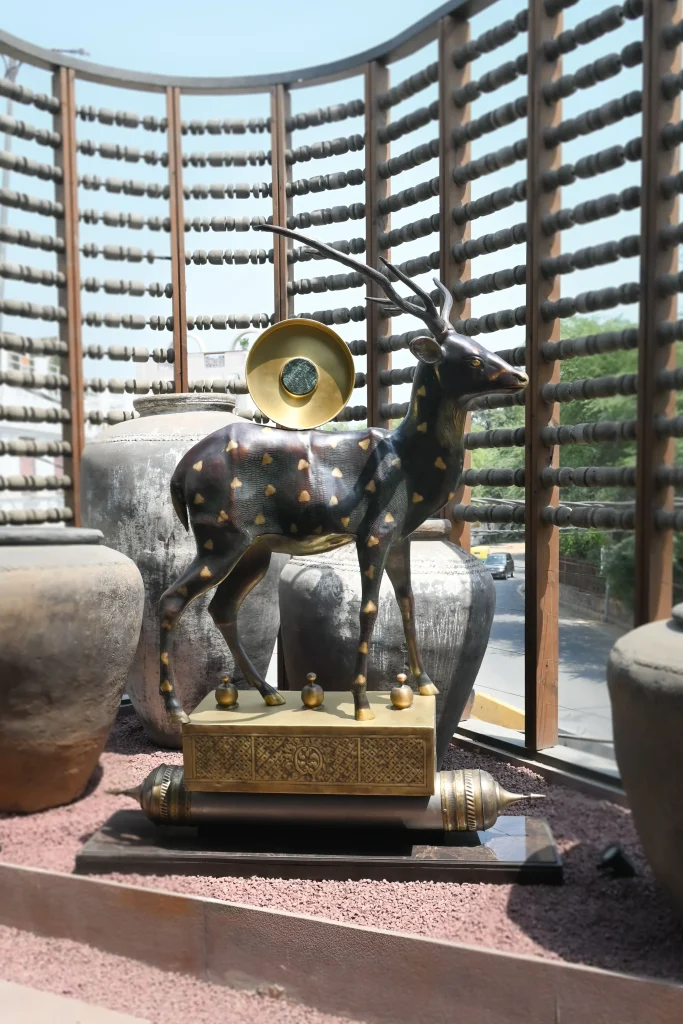
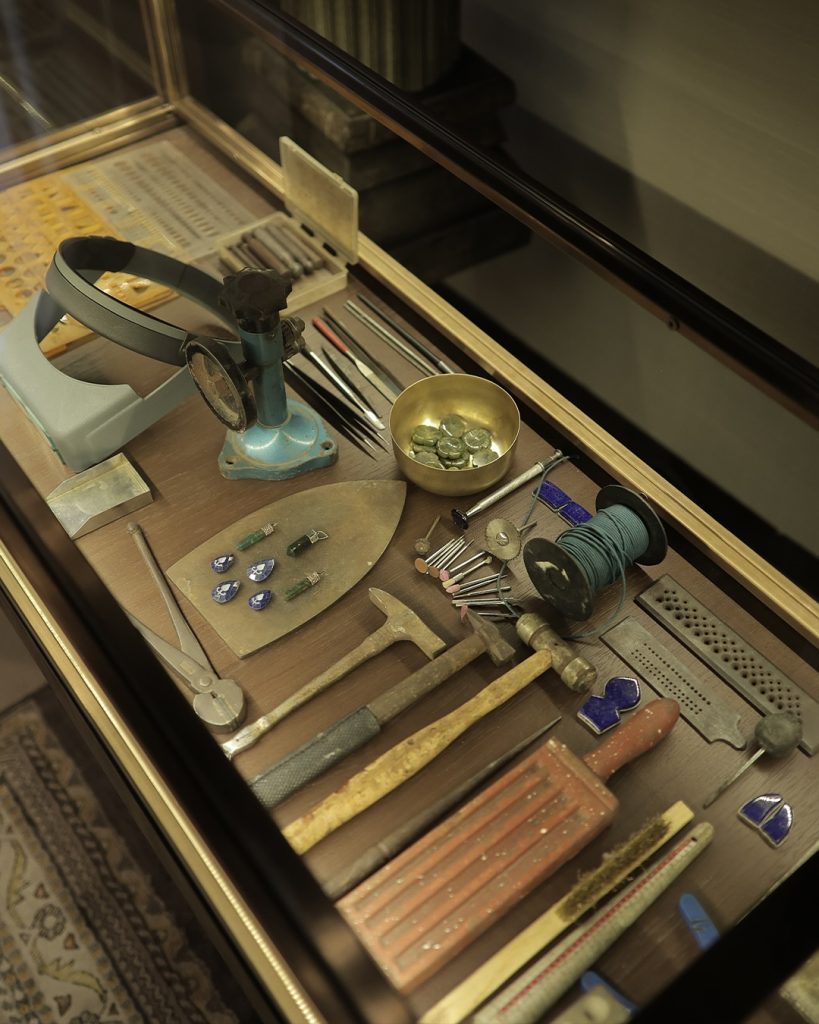
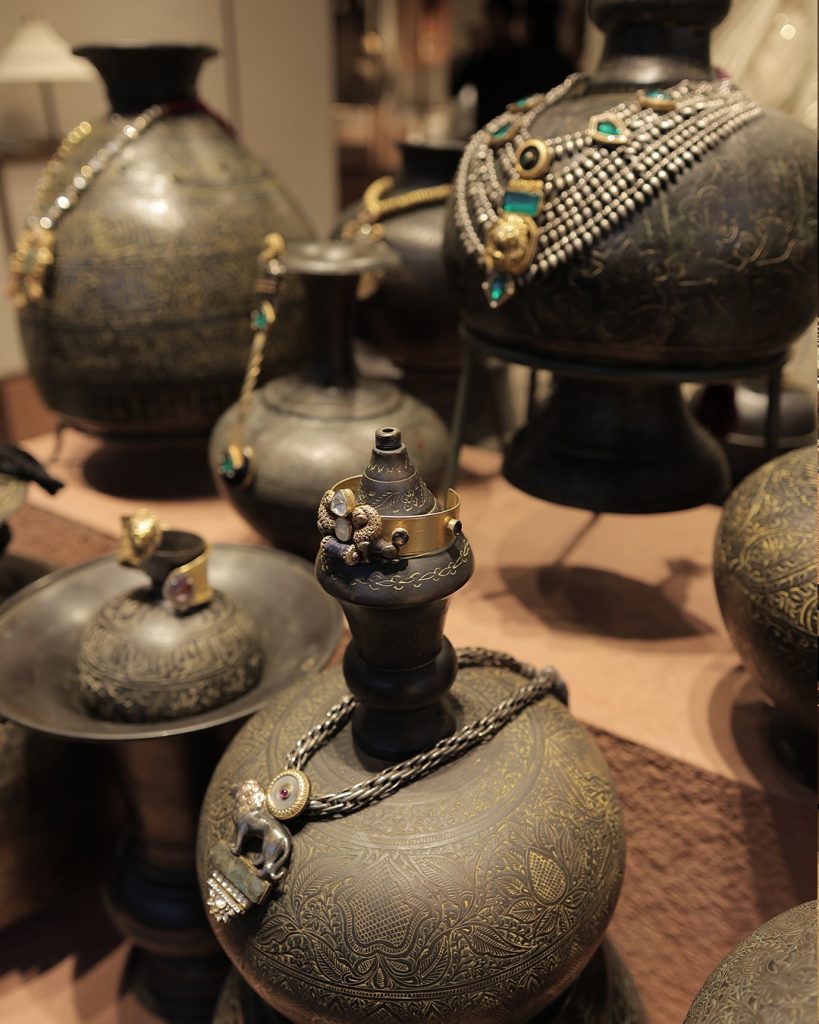
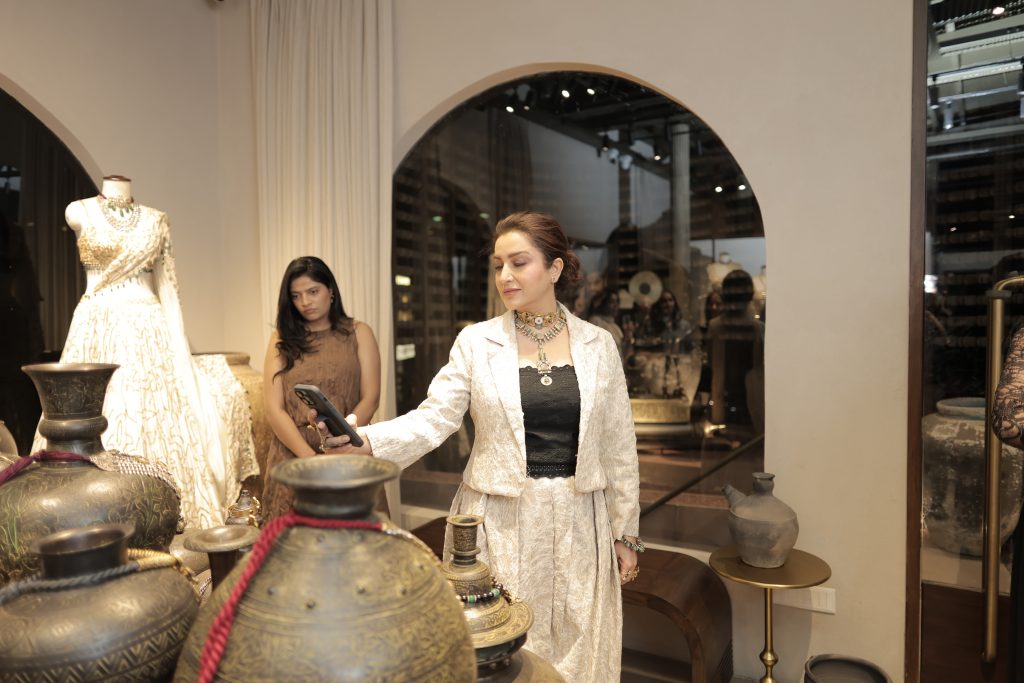
Absolutely. Our Mehrauli atelier, the flagship of our three immersive spaces (two in Delhi, one in Gurgaon), is intimately woven into its historic surroundings, with the Qutub Minar—Delhi’s UNESCO‑listed minaret—as a backdrop. We blended its warm earthy tones into our interiors—textured sandstone‑coloured pedestals, rusticated urns over a century old, aged brass curios, artisan tools, sketchbooks, and vintage books—creating visual echoes of the monument itself. We’ve sculpted display zones that balance modern minimalism with the textures of time, allowing each piece to emerge from its own narrative niche. The facade itself is hand‑beaded—a nod to artisanal heritage that mirrors the Qutub’s intricate Muslim‑Hindu architectural fusion. Even the ambience is choreographed: ambient soundscapes of sitar, hand‑drums, flutes, and soft lighting. In essence, it’s a space where retail meets art!

Could you tell us about the launch event?
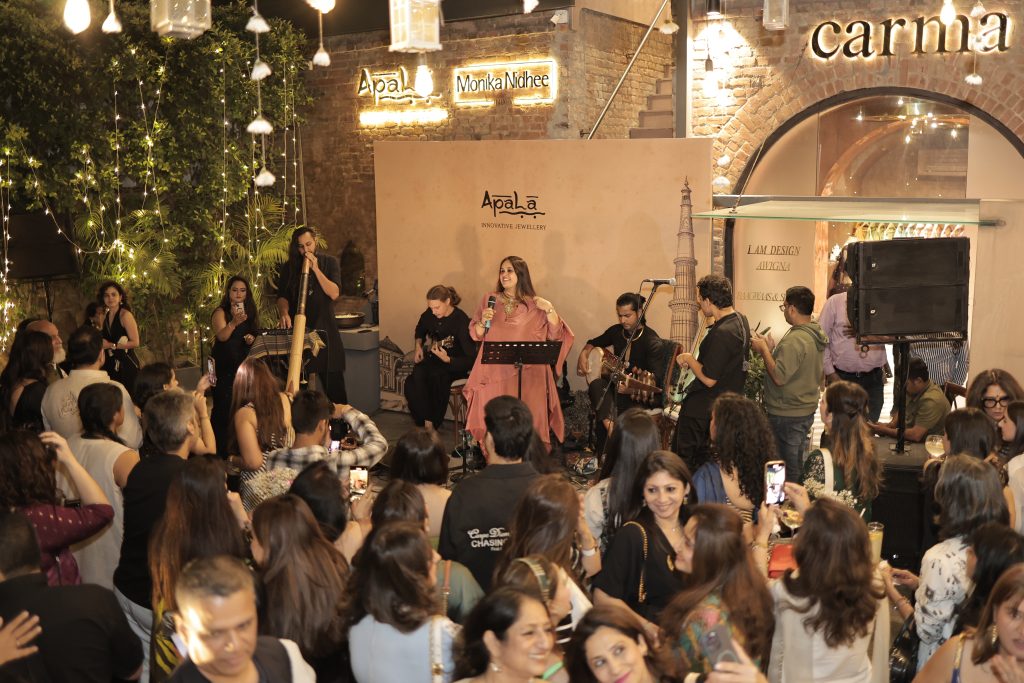
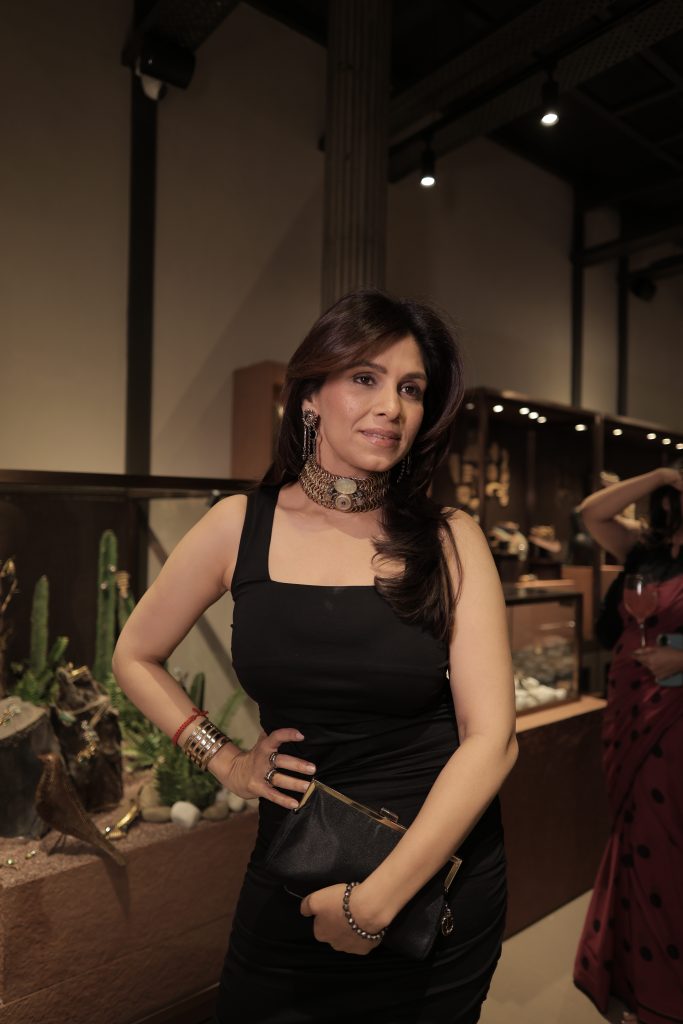
The launch evening was a moment! What made it truly meaningful was its authenticity. Over 300 guests came organically, without any paid promotions or influencer tie-ups. Under a canopy of trees and fairy lights, with live music in the air, over 300 guests from cinema, fashion, and the arts came together. We also introduced our sculptural line—jewellery-inspired, large-format art pieces—marking our entry into collectible design.
Written by Pratyasha Kumari
Retail Jeweller India Magazine