






A fifth-generation scion of the 120-year-old KGK Group, Saransh Kothari,
Co-Founder & CEO, Prismara tells The Retail Jeweller how the brand fills the gap for a trusted source in colour gemstone jewellery and democratizing the category by combining it with lab-grown diamonds and customisation.
EDITED EXCERPTS
KGK has a strong legacy in the gems and jewellery world for over a century. What was the internal conversation like when KGK decided to build an entirely new retail brand?
It was fairly straightforward. Every generation at KGK iterates on what came before, and our strength has always been adapting as the industry evolves. Natural coloured gemstones is what the group started with, and that heritage was always going to be the foundation of anything we built next. As the fifth generation entering the business, I proposed building a brand around our founding strengths in natural colour gemstones and adding a lab-grown vertical—growing, manufacturing and retailing directly to the consumer—to round it off. In parallel, I’m exploring lab-grown diamonds for semiconductor and quantum technology applications too.
Where does the name Prismara come from, and what gap did you set out to fill in the market?
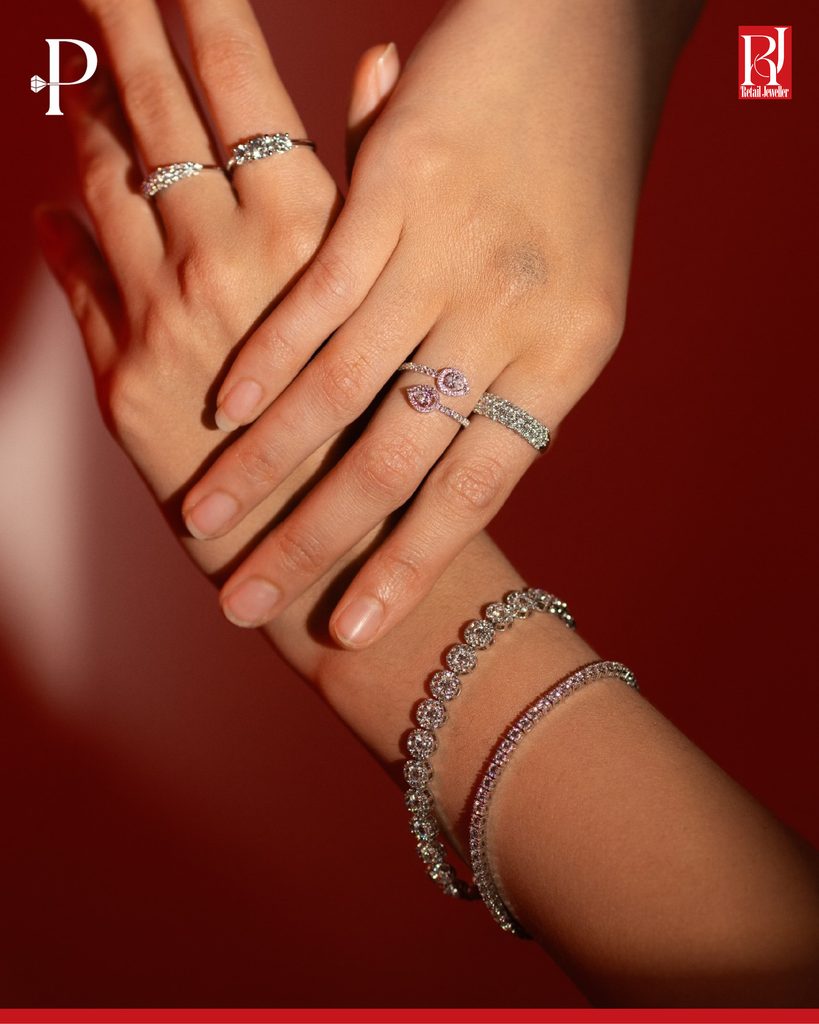
The name comes from the idea of a prism—something that takes white light, like a diamond, and diffracts it into colour. Colour was something I felt was missing from a lot of jewellery, and in India, trusted sourcing for the coloured stone category is genuinely hard to find. Because we’re vertically integrated and manufacture our own jewellery, a customer can walk in and change a centrepiece, swap stones, or personalise a piece entirely. That ties directly into the gap I set out to fill: colour, and customisation. I wanted to give Indian consumers a way to wear jewellery that reflects the many identities they carry through a single day. No one is doing that alongside astrological and, natural-colour gemstone jewellery under one roof.
One thing that’s unique to Prismara is fusing lab-grown diamonds with natural colour gemstones. Why build it that way?
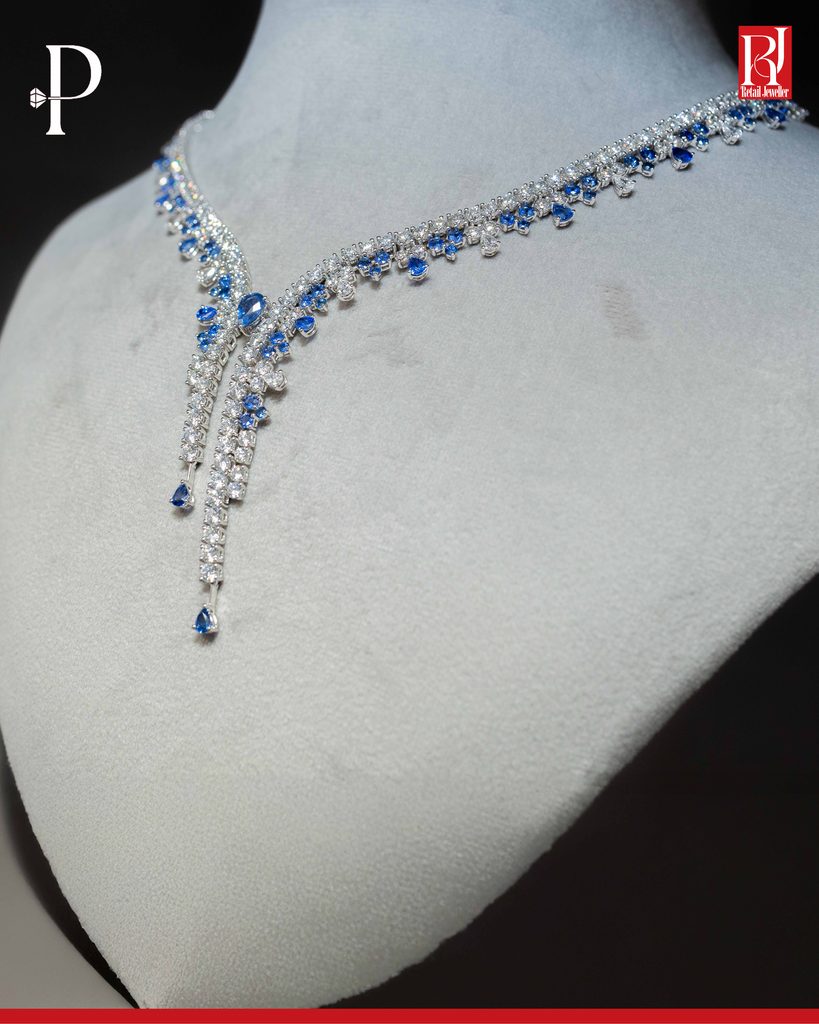
Our business started in 1905, and natural colour gemstones were one of our founding categories. Fusing that heritage with lab-grown diamonds, the direction the world is heading, lets a single piece carry both legacy and modern craft. Most of all it makes the jewellery accessible. In many ways, we’re democratising luxury by putting both categories under one brand.
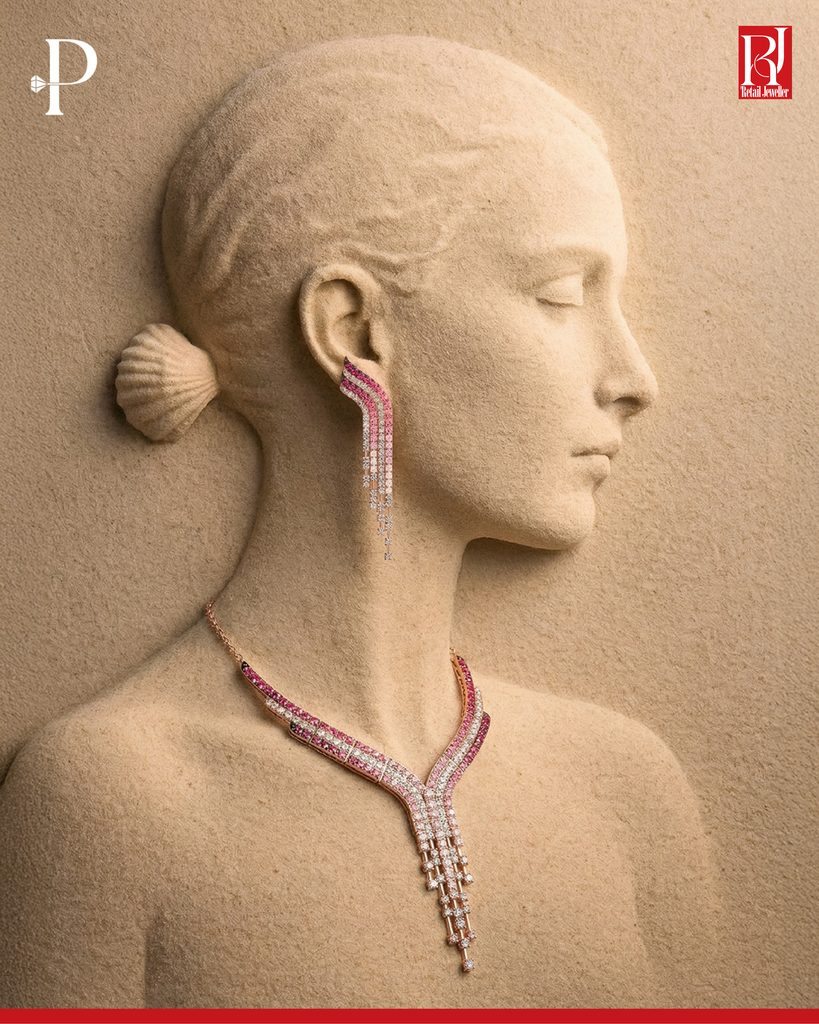
The interplay of colours with diamonds can lend magic to a design, while authenticated colour gemstones retain their value. The ombre effect, where colour gradients from natural gemstone into lab-grown diamond, has become one of our most-loved design signatures, though it’s technically one of the hardest to execute well.
Who is the Prismara customer today, and has that profile shifted since you launched?
Completely. We assumed this was a Gen Z or millennial product. It took six to eight months of running our e-commerce platform and exhibitions to realise that this is a product for everyone—customers in their twenties and eighties, across every socioeconomic bracket. Requirements differ—some want highly customised, elaborate pieces, others simply want access. Colours add variety, uniqueness and individuality that customers are now looking for in jewellery, and this demand is not limited by demography.
What does the entry-level, mid-range, and higher-ticket price bracket look like across your collections?
We start at ₹15,000 and go up to ₹1.5 lakh and beyond, with an average order value of around ₹60,000. Natural gemstones are priced around ₹25,000 per carat; lab-grown diamonds start at ₹35,000 per carat, scaling with size. Customisation can move a piece’s price in either direction.
Before the Delhi store opened, Prismara was working entirely online. What has changed with the physical presence?
E-commerce was about brand and product discovery, not driving sales. Indian jewellery buyers want to see and touch a piece and trust policies like buybacks in person. Since opening in Delhi, we’ve seen a clear shift: customers browse and wishlist online, then travel—sometimes an hour—to buy in-store. The website has become the scan; the store is where the sale happens.
How does being backed by a 120-year-old group like KGK shape the trust Prismara is able to build?
It matters, but it isn’t automatic. Most consumers don’t know KGK offhand, so Prismara still has to earn recognition and brand value on its own. Once people learn we’re a 120-year-old, vertically integrated group handling everything from growing to cutting, polishing and retail, it becomes a strong differentiator against the hordes of LGD brands that have entered the market recently, many of which cap out at just a handful of stores.
What does the five-year plan look like for Prismara?
Among the top lab-grown brands in India, with a pan-India footprint concentrated first in Delhi NCR, where we’re building density before expanding outward. Beyond off-the-shelf pieces, we want to be known for customisation and for astrological jewellery. Specifically, we want to become a space where consumers trust us not just for design, but for education on the category itself, so that every Prismara piece feels personal rather than transactional.
By Xena Aayesha Stephen
The Retail Jeweller