




Intro: Under Kunwar B. Singh’s leadership, the 160-year-old maison, once catering exclusively to 50+ HNIs, has drawn in millennial brides and women in their twenties and thirties, while expanding its sourcing bracket
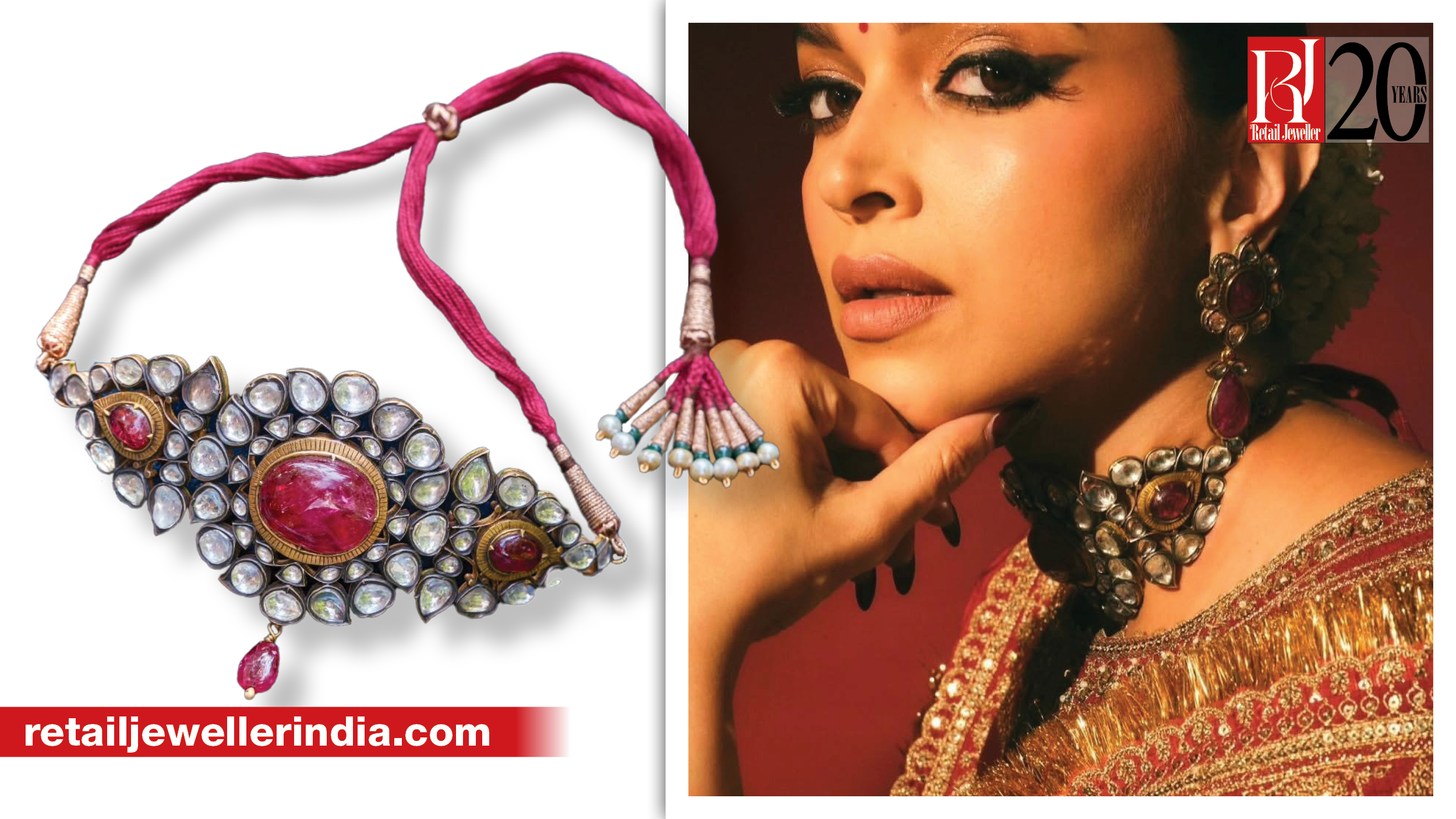
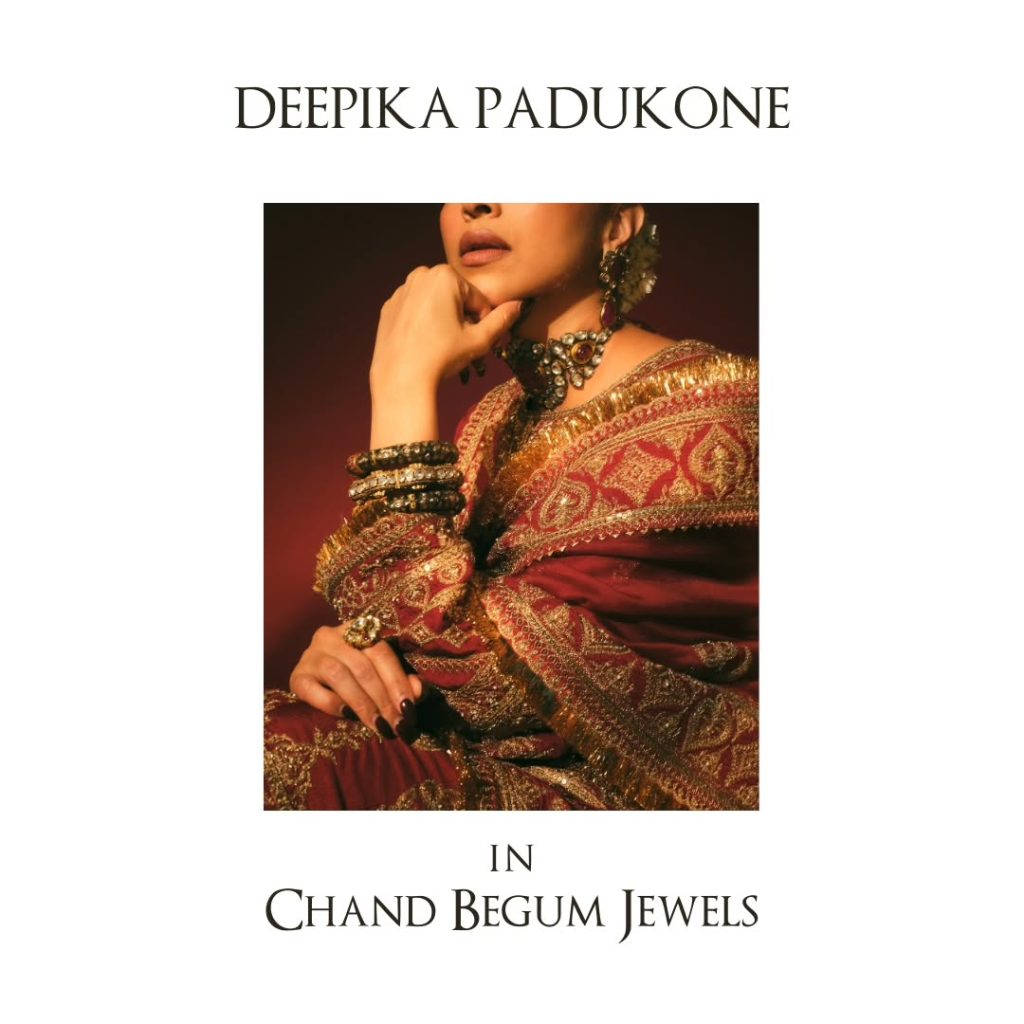
The breakthrough came when Deepika Padukone wore their jewellery at the Ambani wedding — a moment that thrust the brand into the digital spotlight. Backed by strategic online storytelling and a ‘mystery teasers’ approach to heritage, the brand witnessed a 30% rise in younger clientele and a 40% increase in gallery visits
EDITED EXCERPTS:
Please take us through your journey and explain why the private appointment model has endured for so long.
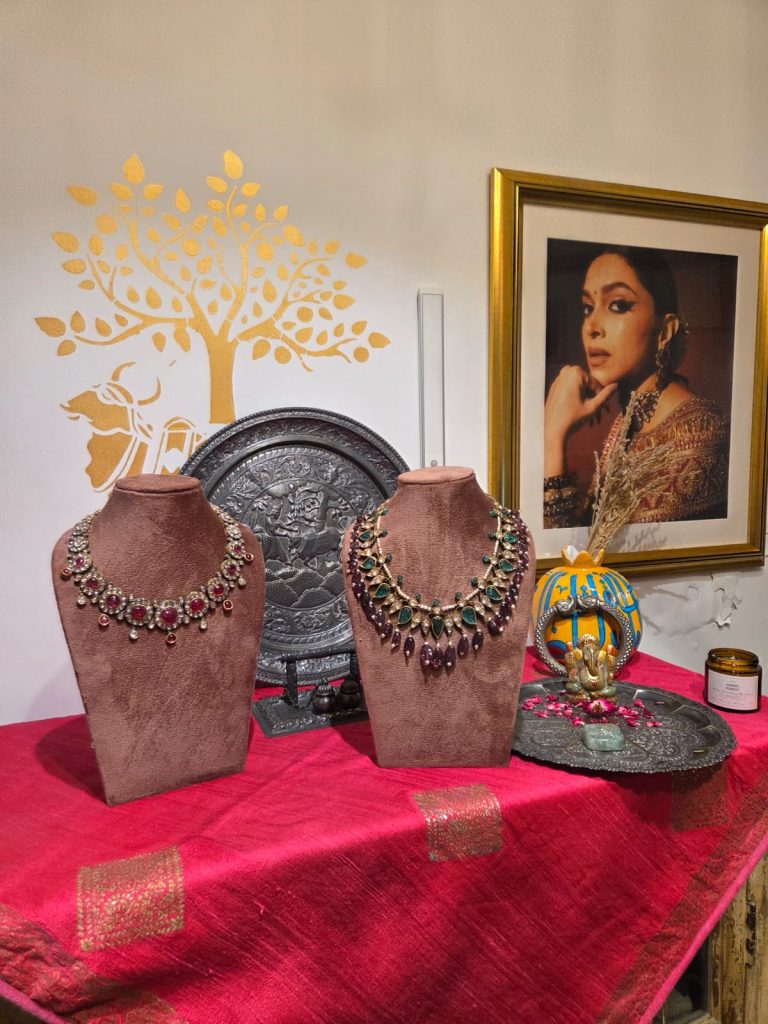
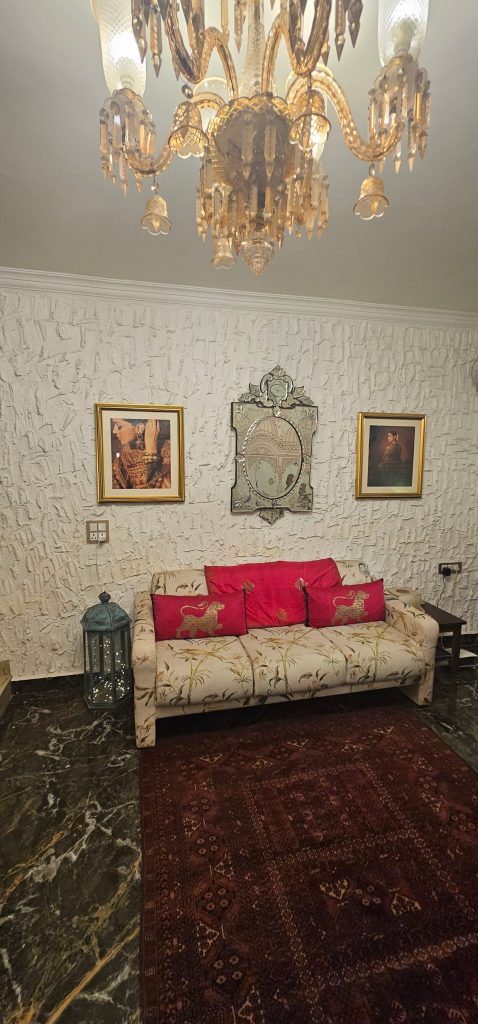
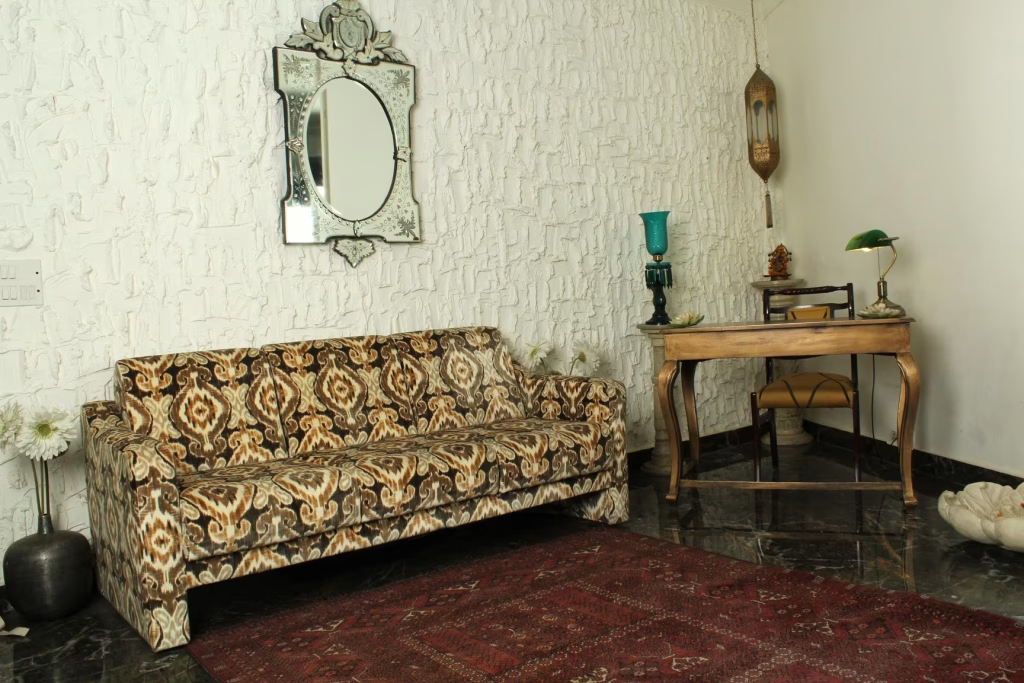
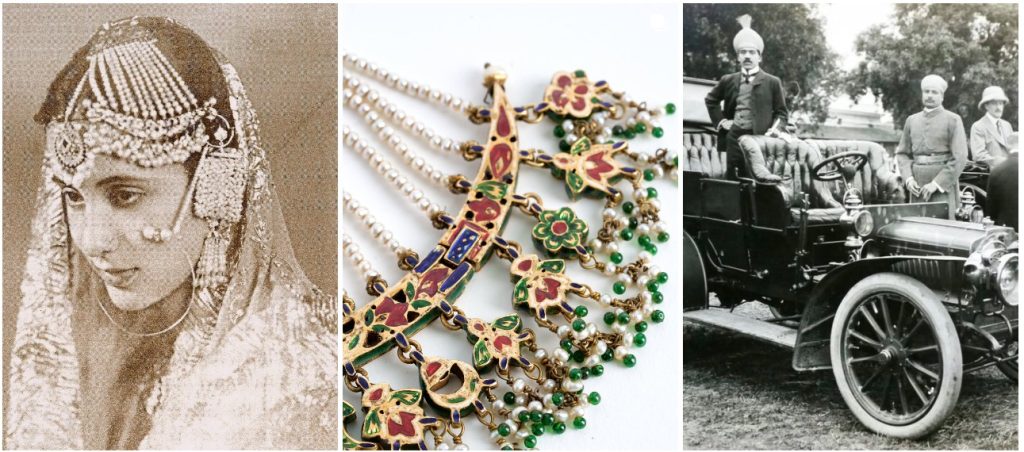
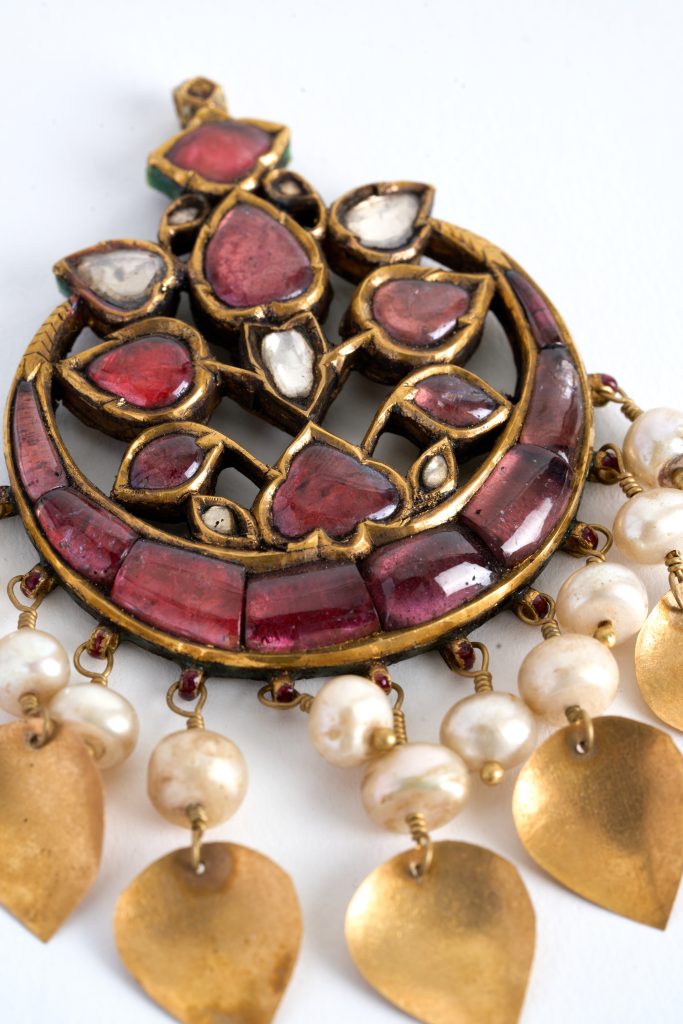
Chand Begum was founded in 1865 in Pakistan by Shri Shankar Das, our ancestor. He began as both a collector of precious jewellery and a moneylender to royal families—extending loans in exchange for their heirloom pieces. By the early 1900s, we formally opened a gallery—still operating exclusively by private appointment—showcasing those heritage items. We deliberately maintained the appointment-only approach so that every visitor could receive a highly personalised experience: examining 100– to 200-year-old necklaces, bajubandhs, and rings in a setting of antique mirrors, marble pillars, and silver filigree. Each piece carries a provenance and private appointments allows us to share detailed stories. That level of curation and tactile engagement simply cannot be replicated in a walk-in showroom or a generic online shop. The gallery itself is an experience—stepping inside feels like being transported into a world of art and antiques, making each private appointment feel like a curated journey through history.
What role has social media played in the growth of Chand Begum Jewels?
A turning point came during the COVID 19 lockdowns in 2020, when foot traffic dropped and, afterward, new customer groups appeared—showing us that relying solely on private appointments wouldn’t work. It was clear that, if we didn’t pivot to reach younger customers online, we risked fading into irrelevance.
So, we launched a targeted social media strategy – rather than simply posting product photos, we used the same storytelling flair we’d perfected in our gallery. We began crafting “mystery teasers” of heritage pieces—close-ups of emeralds or partial shots of an intricately carved polki motif—along with cryptic captions that hinted at their royal provenance. The goal was to intrigue followers enough that they’d request a private appointment to see the rest of the piece.
How have star-powered associations helped Chand Begum Jewels?
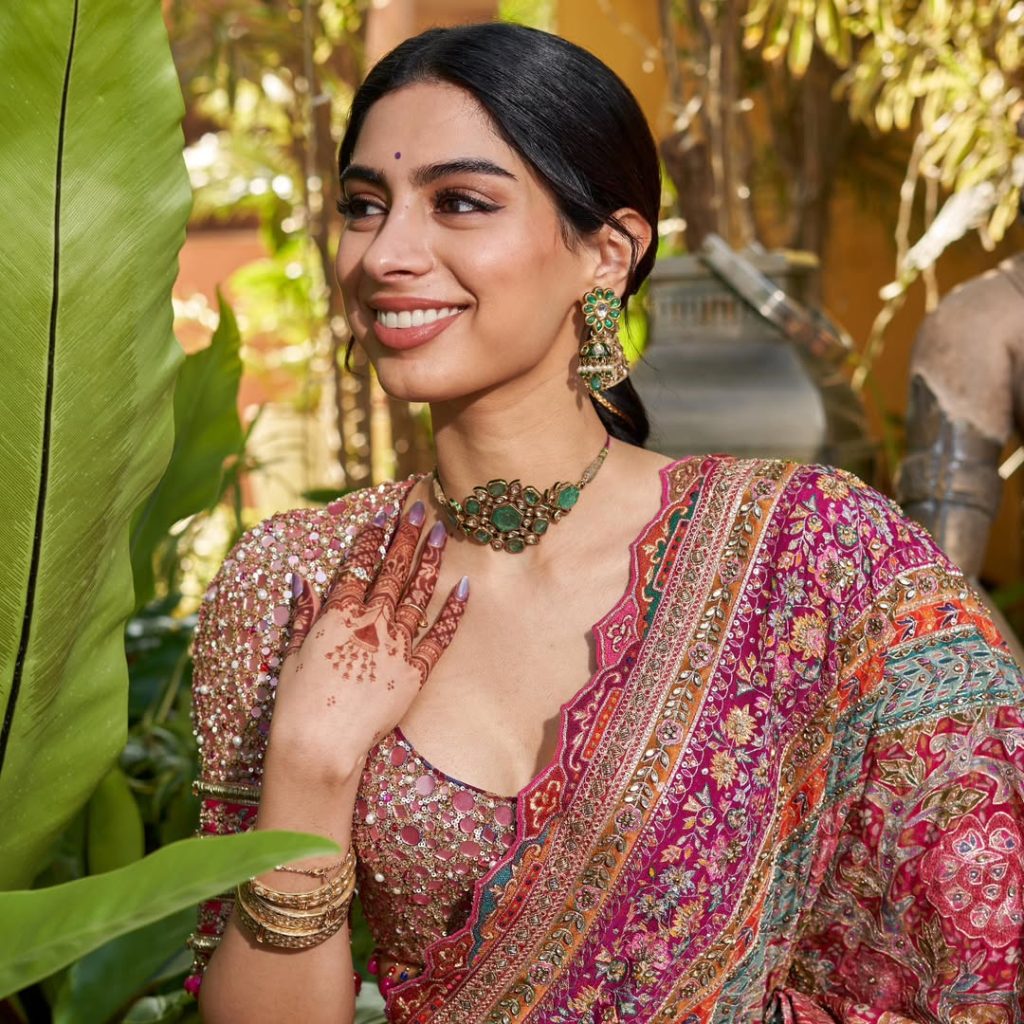
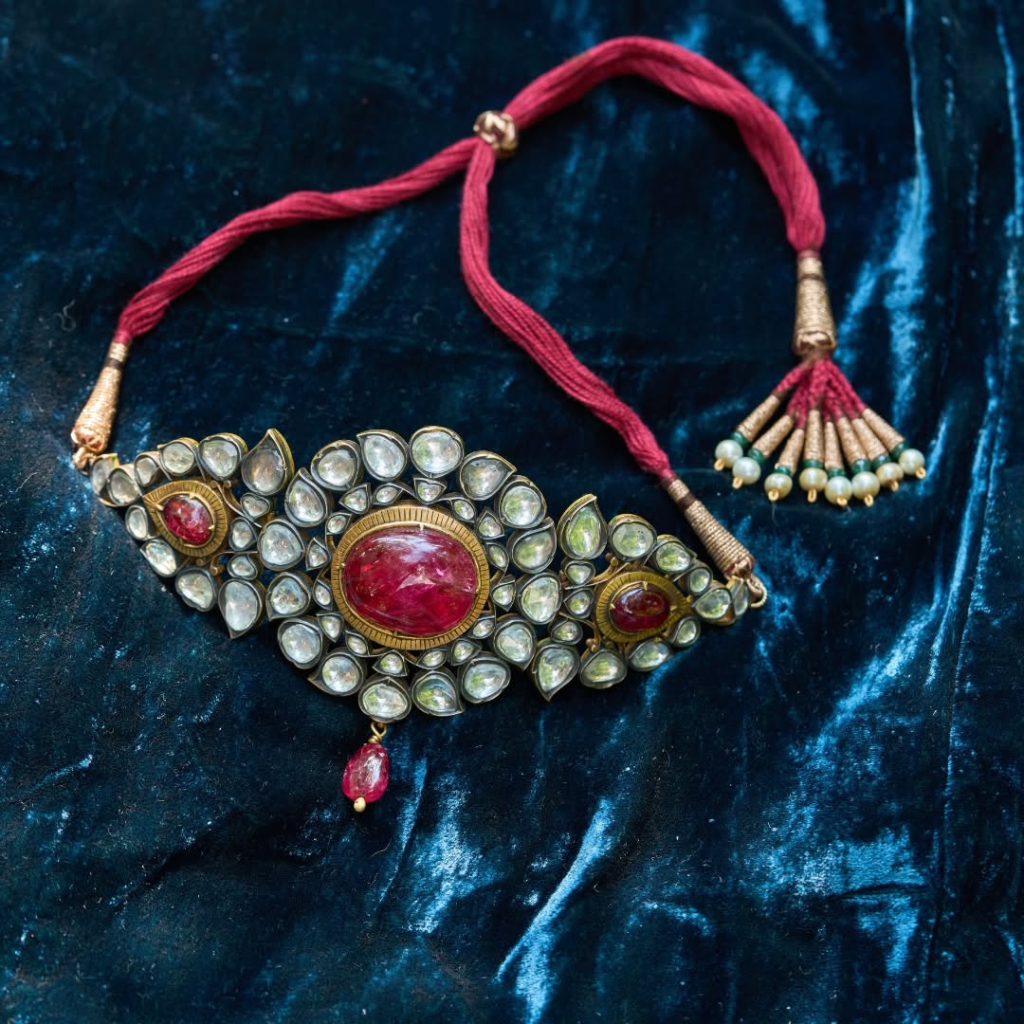
Our digital debut quickly led to a surge in engagement. Then came a watershed moment: Deepika Padukone adorned one of our 19th-century bajubandhs from Maharaja Ranjit Singh’s collection, as a choker for Radhika Merchant and Anant Ambani’s wedding ceremony in Mumbai. The jewellery went viral overnight. Suddenly, Chand Begum was on the radar of a much younger audience.
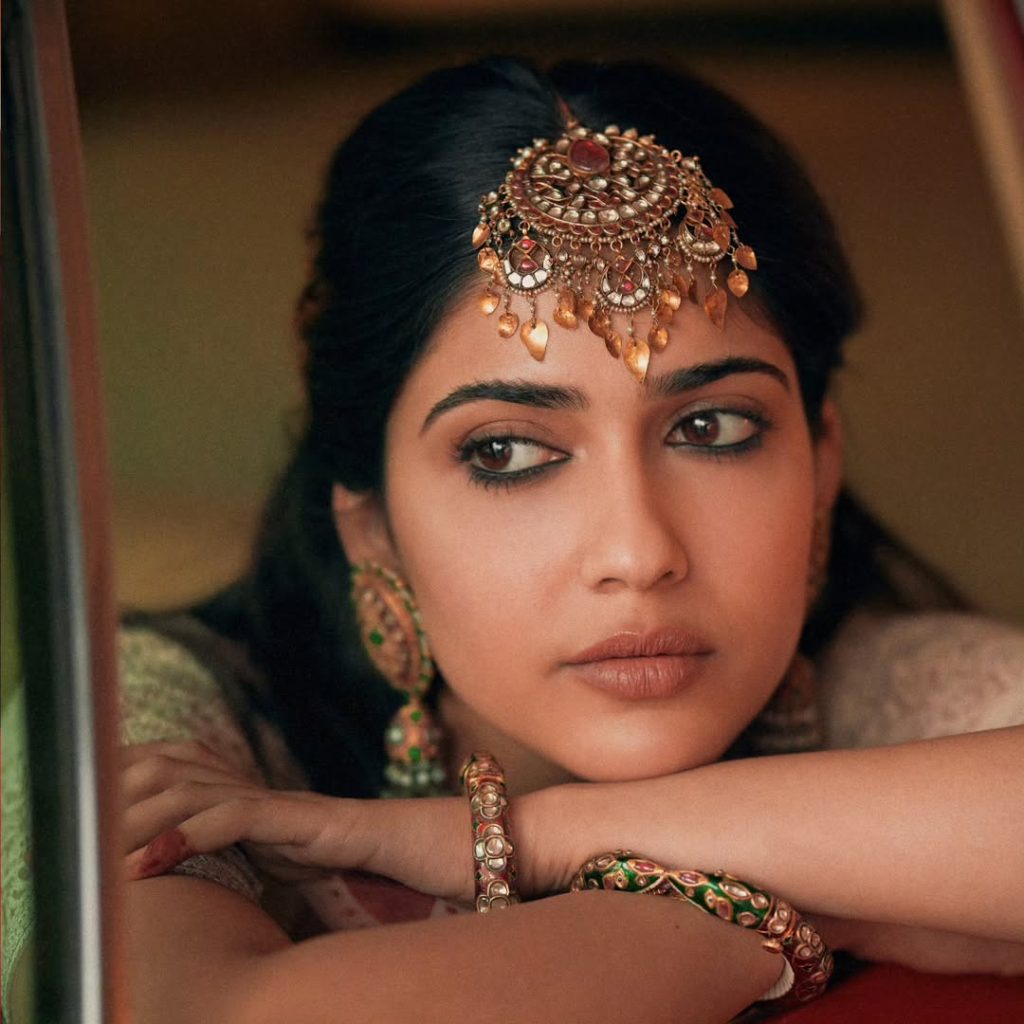
We placed a strong emphasis on celebrity endorsements rather than paid influencers. Our goal wasn’t simply to have someone promote a product; we wanted genuine partnerships where each celebrity truly appreciated the history of the piece they wore. Contemporary actresses like Tamanna Bhatia, Ananya pandey and Khushi Kapoor wore our heritage jewellery personal and professional ocassions. It created buzz online—questions like “Where did you get that?” or comments calling it “museum-worthy.” We capitalized on these moments by reposting candid shots and sharing behind-the-scenes stories.
As a result, gallery visits rose by 50%, and private-appointment bookings from modern brides doubled.
That must have been quite a transformation. Tell us about the shift in clientele once you went online?
Prior to 2020, our clientele was predominantly individuals aged 50 and above—collectors, HNIs, even museums and royal descendants who prized pieces strictly for their historical value. About 80% of our sales came from tier-one Indian cities like Delhi, Mumbai, and Hyderabad, and roughly 20% total revenue was driven by international buyers, NRIs, tourists, collectors and institutions in England, the Middle East, America, and Africa. But modern brides? They weren’t on our radar.
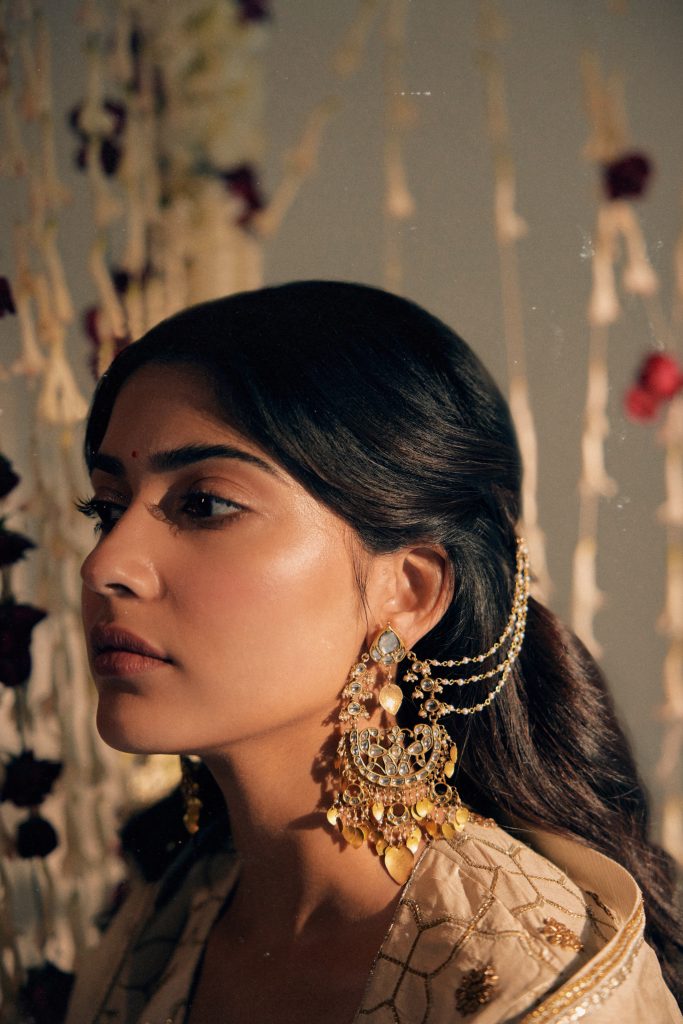
Over the past two years, approximately 30% of new clients have been women in their twenties and early thirties—brides looking for something that stands out from mass-market bridal jewellery. Our overall new-client inquiries also grew by 40%, with an additional 8–10% coming from international buyers who discovered us via social media.
How did those younger customers influence your sourcing and pricing strategies?
In the past, Chand Begum’s collection was exclusively more than 100–200 years old heritage jewellery. Those pieces were priced in the Rs. 50 l akhs – Rs. 10 crores range, because their rarity and provenance demanded it. Modern brides, however, needed versatility, wearability, and price points they could consider.
To meet that demand, we began sourcing authentic period jewellery from the last 30–40 years—not reproductions, but genuine vintage pieces. Think late-1980s polki chokers, early-2000s kundan sets, or mid-1990s gold bracelets featuring coloured gemstones that still carry a vintage charm yet feel more adaptable. These items start at roughly Rs. 10 lakhs and peak around Rs. 20 lakhs. We also introduced detachable elements—like tassels or interchangeable pendants—to suit contemporary styling.
Over the past two years, we’ve also seen a marked increase, around 10%, in bridal customers requesting customisations. Brides ask us to combine elements from multiple antique pieces to create something entirely unique and sometimes even get matching jewellery custom-made from us.
What’s next for Chand Begum Jewels?
We’ll roll out AI-powered virtual try-ons, forge global collaborations, and target fresh customer segments.
By Pratyasha Kumari
The Retail Jeweller India Magazine