



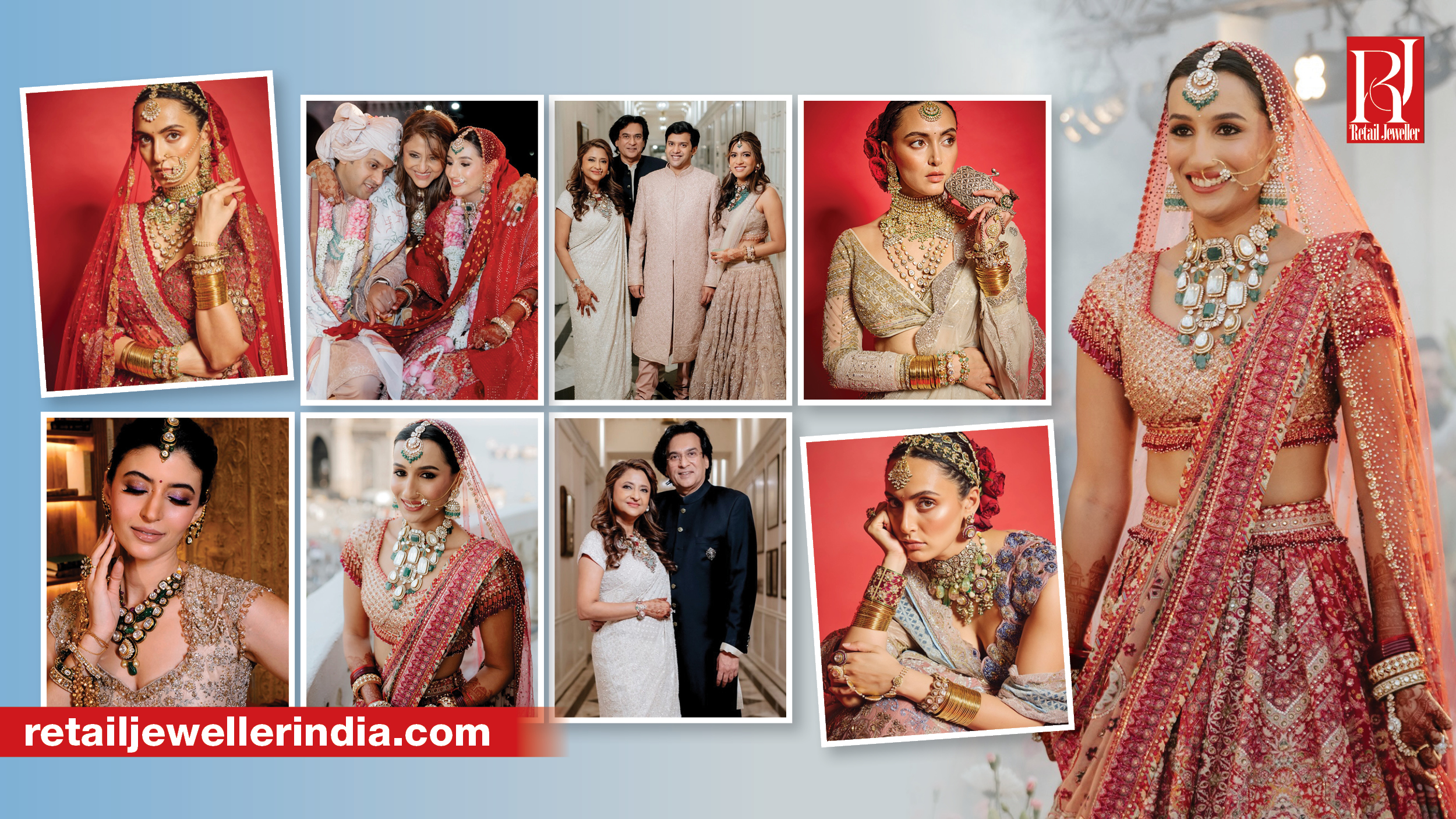

In conversation with THE RETAIL JEWELLER, Falguni Mehta, Founder & Designer, Jadau Jewellery by Falguni Mehta, speaks about restraint as a design principle, the disappearing karigar, and why the greatest threat to one of India’s most extraordinary crafts is not disinterest — but dilution.
EDITED EXCERPTS
Jadau is one of India’s most labour-intensive jewellery traditions. What drew you specifically to this craft?
What initially drew me to jadau was my mother. She loved collecting jadau pieces, so I grew up surrounded by the craft and its beauty, heritage, and emotional value. As I developed my own design perspective, I felt there was an opportunity to reinterpret this extraordinary craftsmanship in a way that felt more refined, design-led, and relevant for today’s woman, while staying true to its authenticity. That balance is what defines our offering.
Your pieces carry a very distinct visual signature. How do you define your design language?
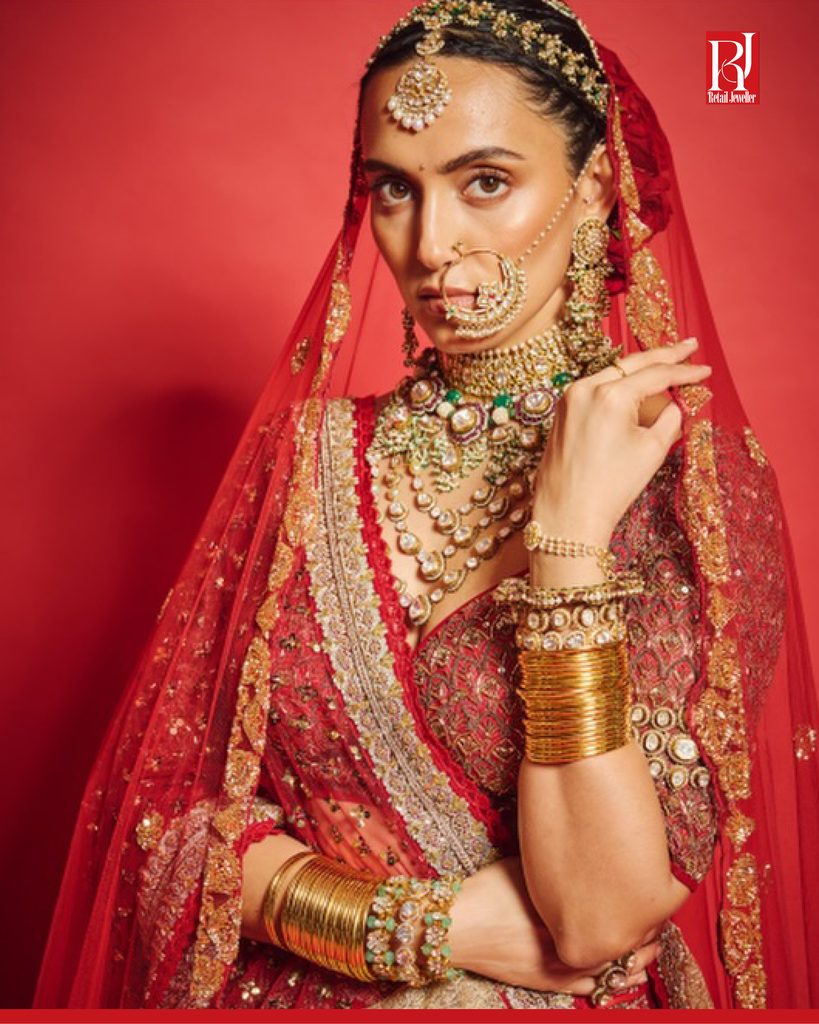
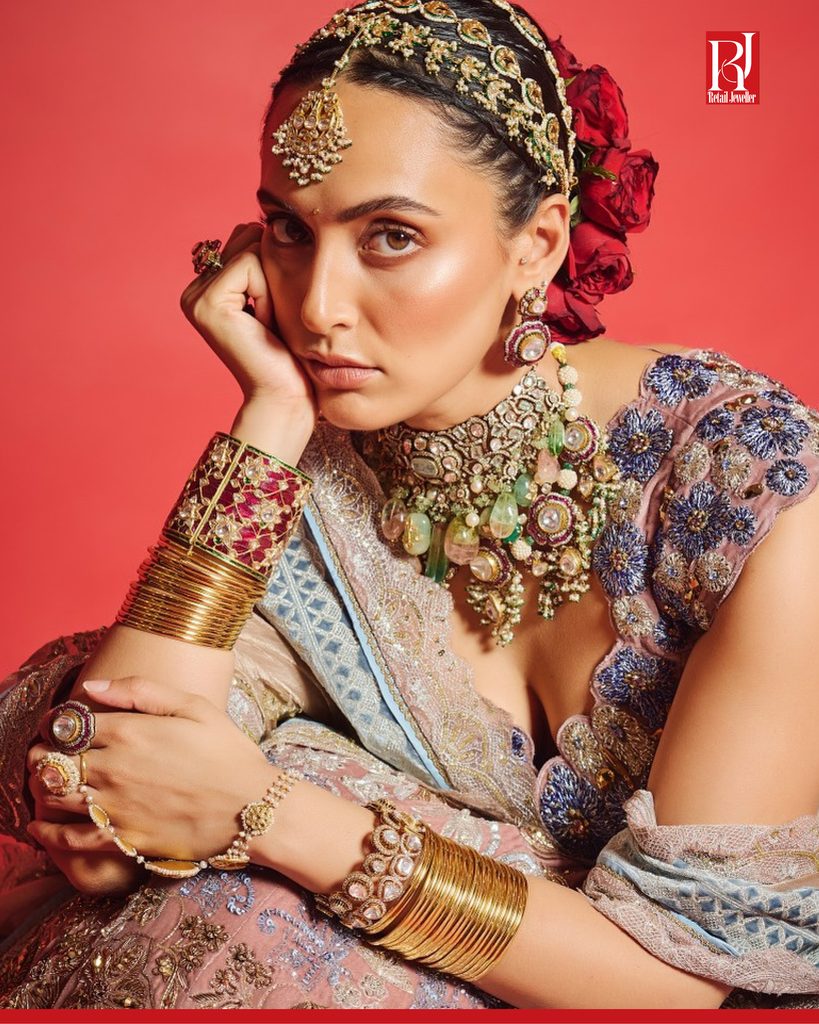
I have always believed that less is more. Even with something as rich as jadau, true luxury comes from restraint, balance, and thoughtful detailing rather than excess. Mughal and Rajputana influences remain deeply embedded through polki setting, enamelling, and hand detailing, but the goal is always to create jewellery that feels timeless, distinctive, and wearable for the modern woman.
When you take on a new design, where does the process begin — with the stone, the silhouette, or the occasion?
Every design begins differently. Sometimes it starts with a beautiful stone, sometimes with a silhouette, a vintage reference, or the occasion itself. I don’t approach jadau in a formulaic way. The craft is so artistic that I prefer letting each piece evolve naturally. A great deal of attention goes into proportions, enamel work, stone placement, colour balance, and how the jewellery will sit and move on the body.
Jadau demands highly skilled karigars and an almost disappearing pool of craftspeople. How do you protect the quality and authenticity of your work while keeping the craft alive?
Authenticity starts with valuing the karigars behind the craft. Jadau cannot be rushed. When craftsmen are respected, involved in the creative process, and fairly compensated, they develop a sense of pride and ownership in their work. That pride is what preserves the soul of jadau. The moment it becomes a production-line exercise, something irreplaceable is lost.
The younger bridal customer has changed significantly. What are you observing in how she approaches jadau today?
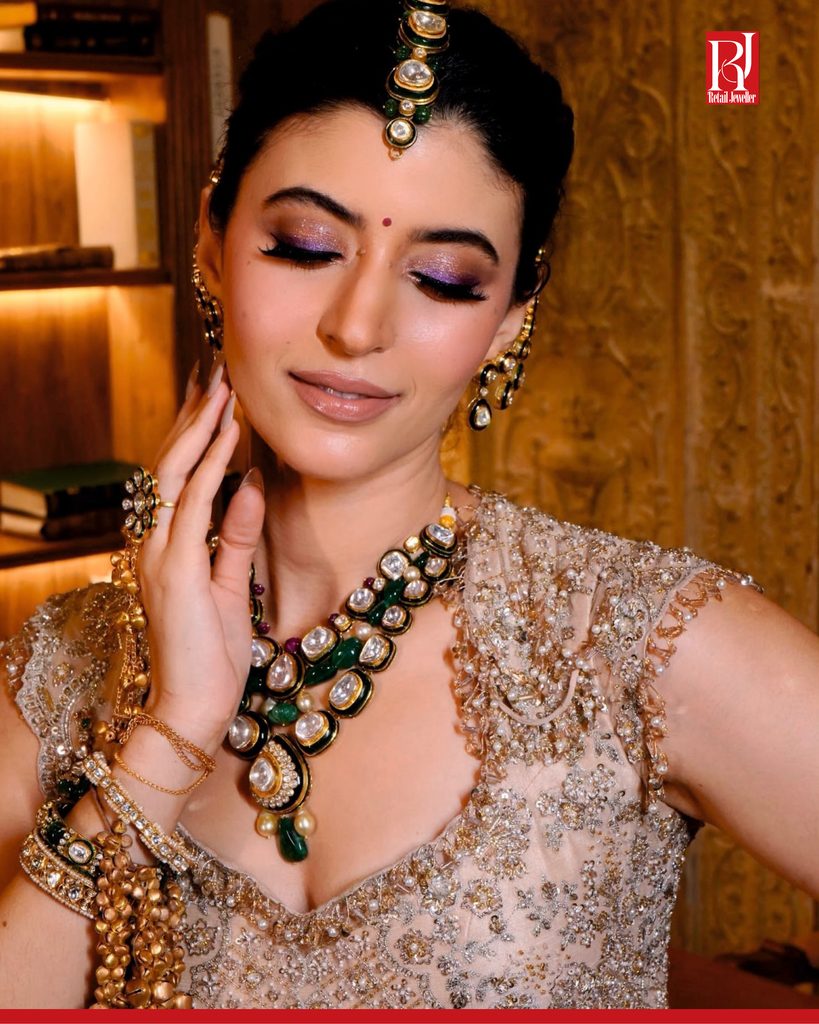
Today’s brides are far more aware, involved, and design-conscious. While they continue to value craftsmanship and heritage, they want jewellery that reflects their individuality and modern lifestyle. They are looking for heirloom-inspired pieces with versatility, wearability, and a strong design identity — jewellery that feels timeless yet relevant.
With a flood of copied and mass-produced jadau entering the market, what is your strongest defence as a design-first brand?
Design has always been the heart of this brand. True craftsmanship, originality, and a distinct design language can never really be replicated. If someone copies our designs, we take it as a sign that our work has made an impact. But handcrafted jewellery remains the ultimate expression of slow luxury. When shortcuts replace craftsmanship and designs become trend-driven, the craft risks losing its soul.
A comment on one of your recent posts called your jadau pieces “timeless heirlooms.” Is that the legacy you are consciously building?
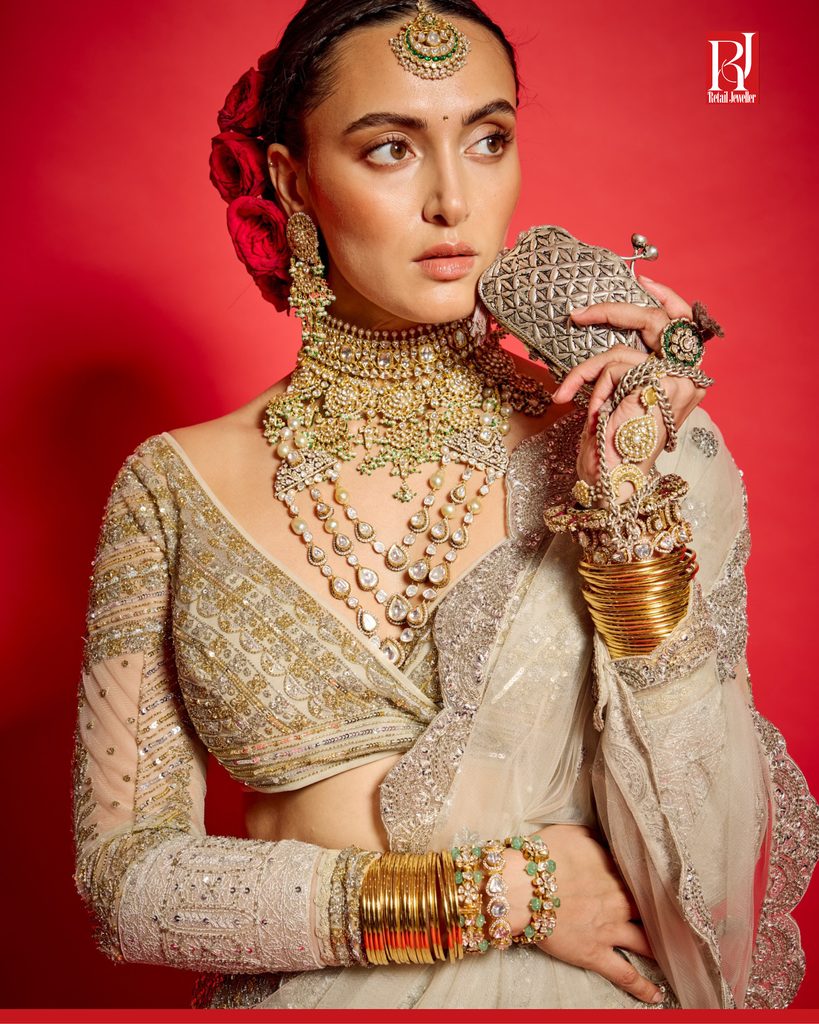
Absolutely. “Timeless heirloom” is one of the most meaningful compliments a jewellery designer can receive. From the beginning, the vision has been to create jewellery that transcends trends and occasions — pieces that carry emotion, craftsmanship, and longevity, and can genuinely be passed down through generations. That sense of permanence is central to our philosophy.
You recently announced the launch of your daughter Avika’s jewellery brand. What does that mean for the legacy of jadau craftsmanship in your family?
We are very excited. Avika’s brand will offer greater accessibility through pricing and e-commerce, catering to a growing demand for everyday jadau jewellery while maintaining the authenticity and craftsmanship the craft demands. It is a natural extension of the values we have built, with a new generation carrying them forward in its own way.
What is your message to the industry about what it will take to ensure jadau is passed on as a living art form, not just a style?
Jadau has survived centuries of changing tastes because it represents far more than beauty. It embodies generations of skill, patience, and artistry. Today, the biggest threat is not a lack of interest, but dilution through imitation, shortcuts, and mass production. The intricacy of authentic Indian jadau — from polki setting to enamelling and hand detailing — is unparalleled. Preserving it requires commitment from designers, retailers, and customers alike. The more people understand and value the depth of this craft, the stronger its future will be.
By Xena Aayesha Stephen
The Retail Jeweller